
When are your Sheep or Goats Ready for Home Kill
A clear, practical guide for smallholders with livestock considering Home Slaughter. Many smallholders ask, “when is my sheep ready for slaughter?” or “how do I know when my goat is ready for slaughter?”
“I think they’re ready… but I’m not totally sure.”
Knowing when your sheep or goats are ready for home kill can feel like guesswork the first few times, and that is totally normal. This Guide breaks down the simple signs smallholders can rely on.
This guide explains the key signs, ages, and practical considerations to help you decide when your animal is ready for home kill.
Getting the timing right affects:
meat quality
flavour
yield
welfare
your confidence as a smallholder
1. Age: A Helpful Guide, But Not the Whole Story
When Is My Sheep Ready for Slaughter?
Age is a good starting point, but it isn’t everything. Different breeds mature at different speeds.
🐑 Sheep
Lamb: 6–9 months
Hogget: 12–24 months (fantastic depth of flavour)
Mutton: 2+ years (rich, slow-cook meat)
When Is My Goat Ready for Slaughter?
🐐 Goats
Kid goat: 6–12 months
Young goat: 12–24 months
Adult goat: 2+ years
Don’t worry if you don’t know exact ages — condition matters more.
2. Body Condition: The Best Day-to-Day Indicator
A quick hands-on check often tells you everything you need to know.
✔ Over the loin - the middle
You want:
a rounded, firm loin
no sharp bones
no excessive fat
even, balanced muscling
✔ Ribs & brisket (chest area)
You should be able to feel ribs lightly, but not see them pronounced.
Brisket should not be hollow or overly padded.
✔ Overall appearance
A ready animal looks:
filled out
balanced
muscled
“finished”
Goats store fat internally, so avoid overfeeding concentrates.
If you’re unsure, you can always send us a photo — we advise smallholders on readiness all the time.
3. Breed Makes a Big Difference (Expanded Guide)
Some breeds finish early and easily, while others take longer and reward you with incredible flavour.
🐑 Sheep Breeds & Typical Finishing Patterns
Fast-finishing, high-yield breeds (often ready earlier):
These tend to mature quickly and show muscling early.
Texel – Often ready 6–8 months; strong hindquarters.
Suffolk – Rapid early growth; commonly ready 6–9 months.
Charollais – Lean but muscular; usually 7–10 months.
Beltex – Compact, excellent carcass quality, finishes early.
Moderate or slow-finishing breeds (best as hogget or older):
Ryeland – Full, buttery flavour; often best 10–18 months.
Herdwick – Traditionally eaten older; 12–24 months produces superb eating.
Soay / primitive breeds – Slower growing; shine as older animals.
Hill breeds – Mature later; hogget or mutton is often ideal.
If you tell us your breed, we can give a very accurate estimate — a Texel at 8 months is often ready, but a Herdwick at 8 months rarely is.
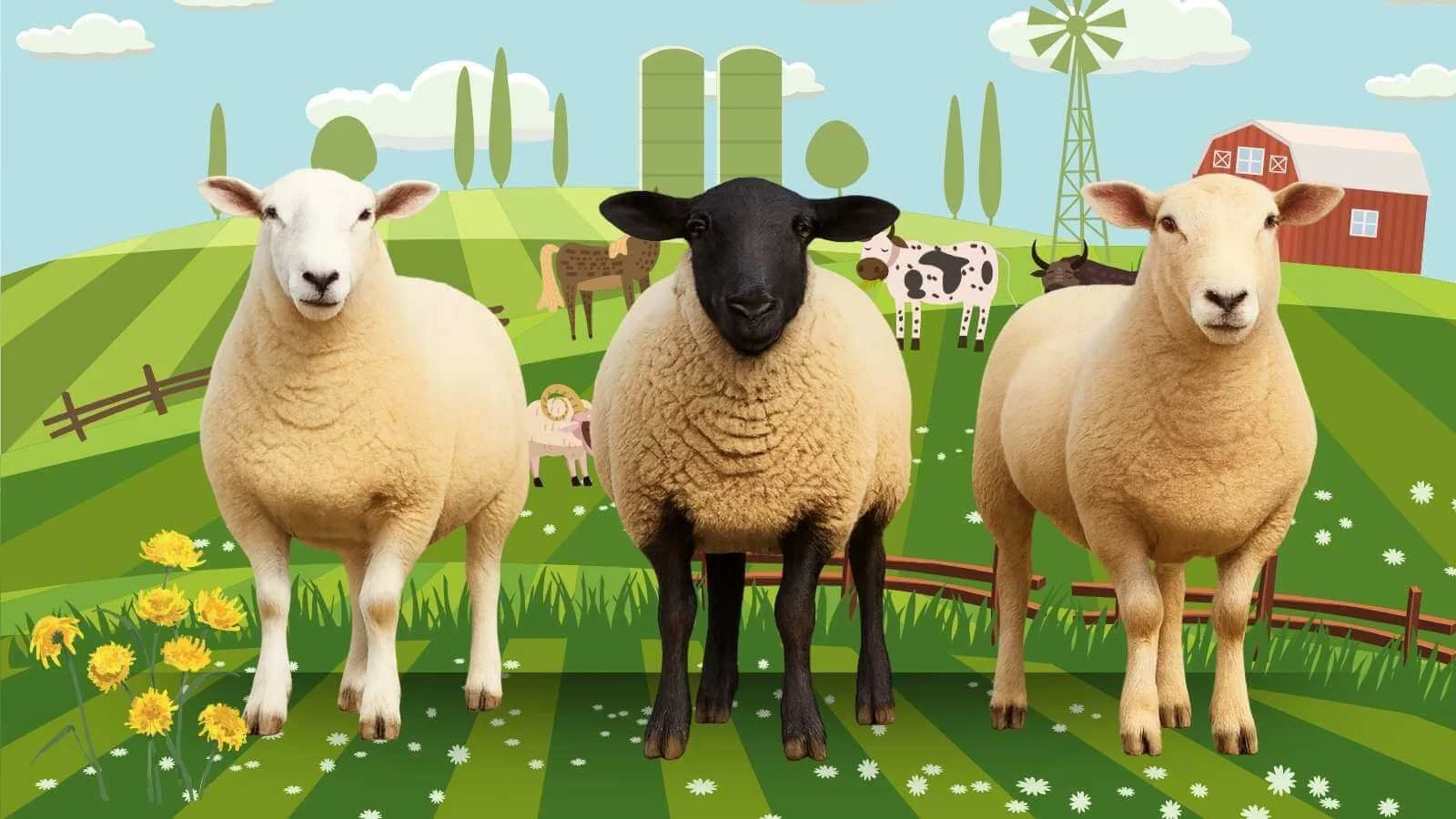
⭐ Summary: Best Sheep Breed for Meat
➡️ Texel is the best for top carcass yield and lean meat.
➡️ Charollais is the best for fast finishing and tender meat.
➡️ Suffolk is the best for heavy carcasses and hybrid vigour.
🐐 Goat Breeds & Typical Finishing Patterns
Fast-growing meat goats:
Boer & Boer crosses – Typically ready 8–12 months with excellent muscling.
Dual-purpose & dairy breeds: (Slower finishing but produce wonderful, mature meat.)
Nubian – Heavy build; great results 12–24 months.
Saanen – Lean frame; best finished later.
Toggenburg – Moderate growth; often 12–20 months.
Miniature breeds:
Smaller carcasses but outstanding flavour; often best 12+ months.
Breed alone can tell you a lot — which is why so many smallholders ask us before booking.
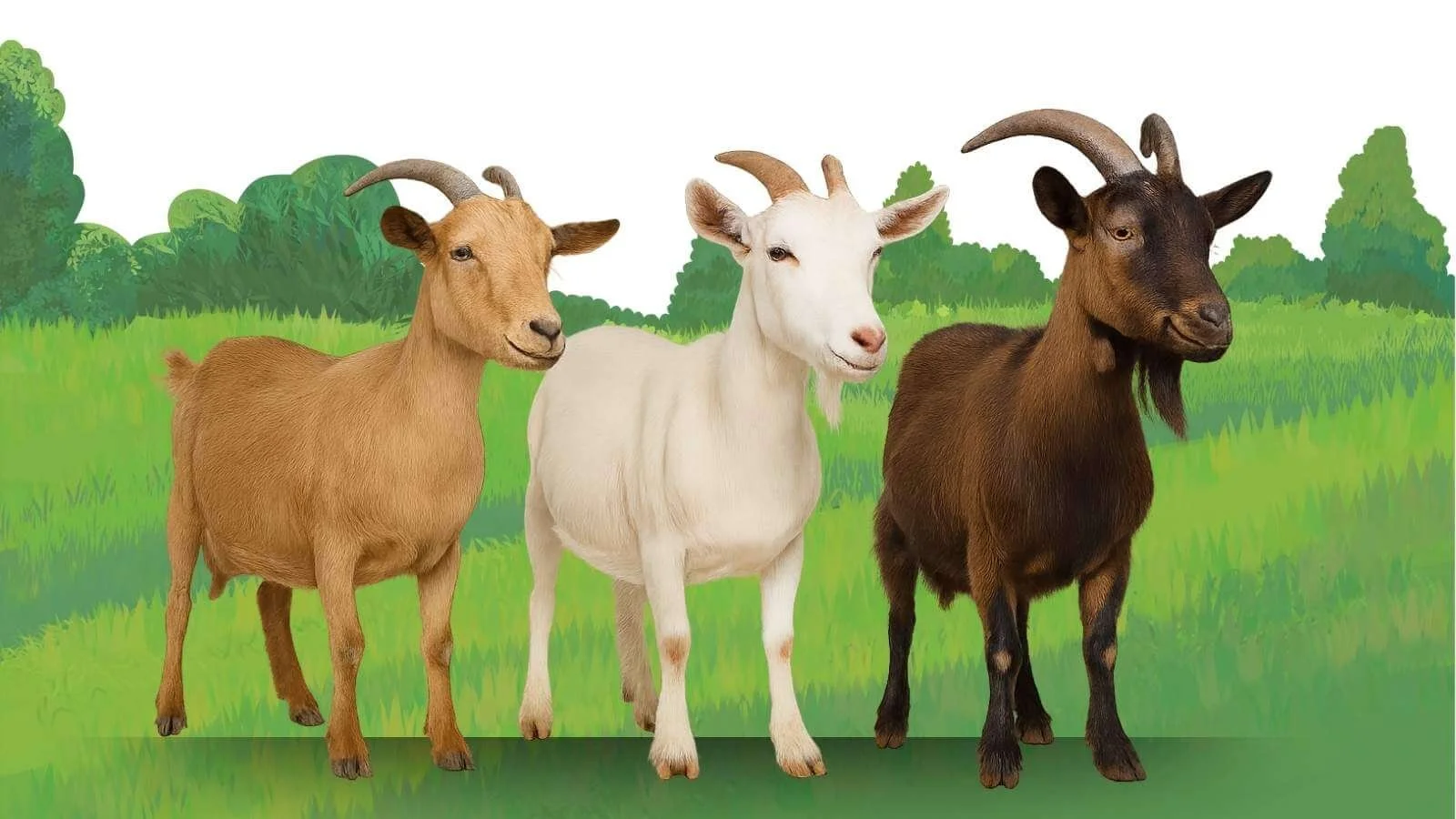
⭐ Summary: Best Goat Breed for Meat
➡️ Boer is the best for pure meat yield and muscling.
➡️ Kiko is the best for hardiness and low-input finishing.
➡️ Anglo-Nubian is the best dual-purpose choice for small farms.
4. Growth Plateau: A Clear Sign They’re Ready
Animals usually go through:
rapid early growth
steady growth
plateau
When your sheep or goats stop visibly filling out, they’ve typically reached their ideal finishing point.
This often happens:
after a good summer
when grazing quality drops
over winter
after they’ve reached mature size for their breed
The growth plateau is one of the most reliable indicators.
5.🥩 Meat Yields: What You Can Expect From Sheep & Goats
Understanding meat yield helps you plan freezer space, choose the right slaughter weight, and avoid surprises on butchery day. The exact yield depends on breed, age, condition, and how you prefer the cuts, but here are the typical ranges we see on real smallholdings across the East, Midlands & South.
SHEEP: (Lambs, Hoggets & Mature Sheep)
Liveweight → Deadweight: Usually 40–50%
Deadweight → Edible Meat: Typically 65–75%
Total Liveweight → Final Meat Yield: Around 30–38% once bone, trim and fat are removed
Breed Impact:
Texel & Beltex types: Heavy muscling → higher yield
Suffolk & Charollais: Excellent balance of meat-to-bone
Hill breeds (e.g., Welsh, Herdwick): Leaner frames → slightly lower yield
GOATS: (Boer, Dairy-crosses, Pygmy-crosses)
Liveweight → Deadweight: Around 45–52%
Deadweight → Edible Meat: Around 60–70%
Total Liveweight → Final Meat Yield: 27–36%, depending on muscling and fat cover
Breed Impact:
Boer goats: The best muscling → highest yield
Kiko / Cashmere types: Moderate yields, very lean
Dairy breeds/crosses: Lower muscling → lighter cuts but good flavour
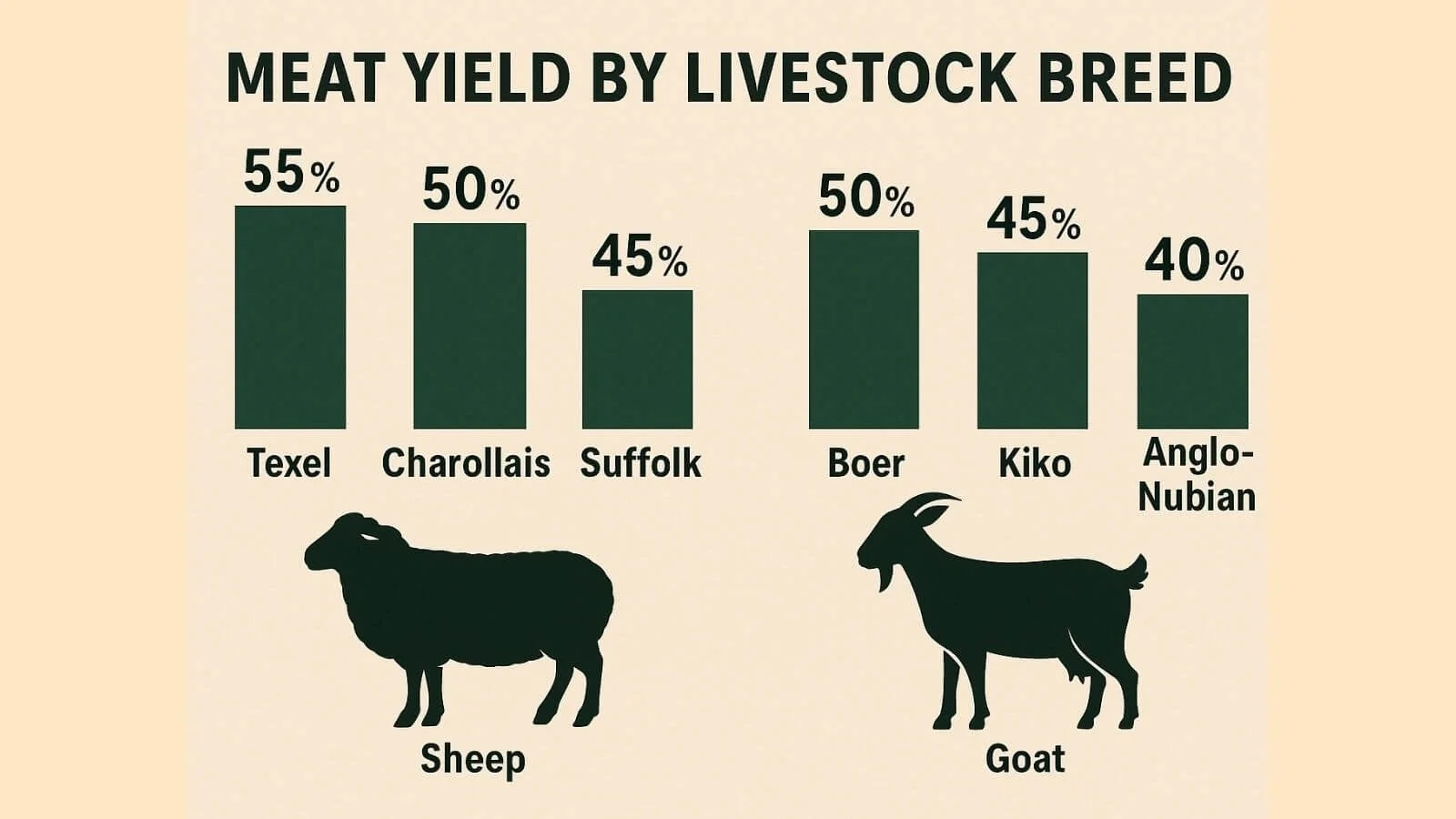
To help you make informed decisions
This graph may help you make an informed decision about when your livestock are “worth doing”, freezer space needed, and why breed matters as much as weight. You might also like to read our Blog “How much meat you get from a whole sheep”
6. Behaviour & Practical Considerations
Sometimes temperament makes the decision easy.
You may choose earlier home kill if an animal is:
constantly escaping
bullying others
difficult to manage
not thriving in your system
Welfare includes reducing ongoing stress — for the animal and the smallholder.
7. When Is the WRONG Time for Home Kill?
It may be better to wait if the animal is:
underweight
recovering from illness
recently wormed and still rebuilding condition
poorly muscled
stressed from recent changes
A few weeks can make all the difference.
8. When an Abattoir Can’t Take Your Animal — But Home Kill Still Can
This is something many new smallholders don’t realise.
Abattoirs can only accept livestock that are fit for transport.
This is a legal requirement to protect welfare.
They cannot accept animals that are:
severely lame
unable to bear weight
injured
too weak to travel
sick
suffering from infectious conditions
Importantly:❗“Unfit for transport” does NOT mean “unfit for eating.”
A common example is foot rot.
Foot rot may make an animal incapable of travelling — meaning the abattoir cannot legally accept it —
but the condition affects the hoof, not the meat.
During home kill:
the affected hoof area is removed
the carcass is inspected
and the meat is perfectly suitable
In these cases, on-farm home kill is the only humane and legal option, as the animal remains calm in familiar surroundings.
This is one of the major reasons many smallholders choose home kill over transporting to an abattoir.
9. Ideal Conditions on the Day
Before we arrive, the aim is simply to keep your animals calm and settled.
We recommend following our preparation guide:
Withhold grain the night before
Offer hay or grass as normal
Always provide fresh water
Keep them in a small, familiar pen, see our Preparation Guide for clear instructions
Avoid stressing or chasing them before we arrive
You do not need to fast them.
You do not need any equipment — we bring everything required.
A calm animal produces the best results, both for welfare and meat quality.
10. When to Book Your Home Kill Visit (and How to Know the Right Time)
Most smallholders book when:
animals have filled out and aren’t improving further
the breed’s typical finishing age has been reached
freezer space is ready or they are planning ahead for winter stores
you have a space to keep the livestock dry the night before we arrive
they prefer home kill to avoid transport stress for both themselves and their livestock - no needing to borrow or buy a trailer!
their local abattoir has closed or will not accept their livestock due to age, lameness or foot rot, injuries or sickness
they like that they get to choose their butchery cuts and prefer the option of the same day slaughter and butchery. They also want to ensure that they receive back 100% of their meat guaranteed.
their flock or heard is mixed ages and they want expert advice on which animals are ready
We normally:
slaughter on Day 1, then
butcher on Day 2
Although some clients opt for slaughter and butchery in one day.
11. Final Thoughts
Knowing when your sheep or goats are ready for home kill becomes simple once you understand the signs:
age
breed
condition
growth pattern
temperament
practical needs
If they’re muscled, balanced, and no longer improving, they’re usually at the perfect finishing point.
When the time comes, we provide a calm, respectful, welfare-focused home kill service, carried out on your smallholding from start to finish.
or
Ready to check if your sheep or goats are at the right stage?
Every animal is different — and we’re always happy to give honest guidance.
Send us the breed, age, and a quick photo, and we’ll tell you if they’re ready for home kill.
Frequently Asked Questions
What age is best for sheep slaughter?
There isn’t one “perfect” age for all sheep. Most lambs are ready between 6–9 months, but slower-maturing breeds may take longer. Rather than age alone, good muscling and the right level of finish are the most reliable indicators.
How do I know if my goat is ready for slaughter?
A goat is usually ready when it has filled out through the loin and hindquarters and is no longer gaining condition efficiently. Age varies widely by breed and feeding, so physical condition and overall build matter more than the calendar.
Is weight or age more important for slaughter readiness?
Neither weight nor age on their own tells the full story. Body condition and muscling are far more important, as animals of the same age or weight can finish very differently depending on breed, diet, and growth rate.
Does breed affect when sheep or goats are ready for slaughter?
Yes, significantly. Fast-maturing breeds tend to finish earlier, while traditional or hill breeds often take longer to develop condition. Understanding your breed’s growth pattern helps avoid slaughtering too early or waiting longer than necessary.


In this guide we’ll look at how pig home slaughter works on a smallholding, when pigs are typically ready, some of the breeds commonly kept by smallholders, and how much meat you might expect from a finished pig.
If you keep pigs on a smallholding, there usually comes a point where you start thinking about what happens when the time comes.
Many smallholders raise pigs for meat and want the final stage to be carried out calmly and respectfully in familiar surroundings. For some, home slaughter can provide an alternative to transporting animals to an abattoir.