How to Talk to Children About Raising Livestock for Meat | A Gentle Smallholding Guide
Written by Sarah - Elkadiri Mini Farm
This guide is written from lived experience, not theory, and reflects the gentle, respectful way we’ve found works best for children and parents alike.
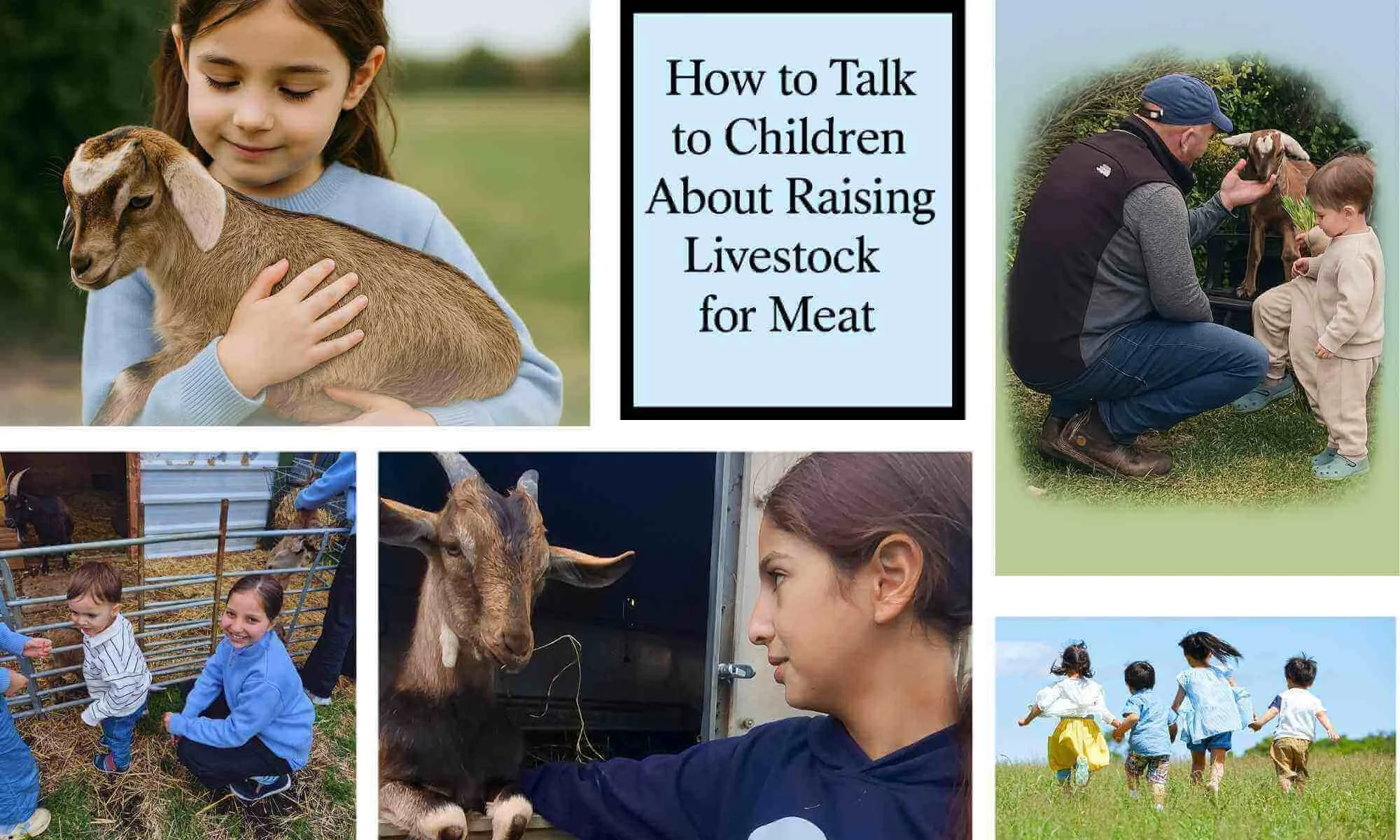
Raising livestock alongside children brings moments of joy, curiosity, responsibility — and sometimes, difficult conversations. For us, those conversations didn’t start with a plan or a script. They began naturally, the first time small hands reached out to feed an animal, or when a child asked a question that made us pause before answering.
With over thirty children across our immediate family, all different ages and personalities, we’ve learned there is no single “right” way to explain where food comes from. Some children ask direct questions. Others observe quietly. Some want facts. Others need reassurance. And many need time — sometimes a lot of it — to process what they’re learning.
This isn’t a guide or a rulebook. It’s simply how we’ve approached these conversations: honestly, gently, and with respect for both our animals and our children.
Starting with what children already understand
Most children don’t begin by asking about slaughter or meat. They start with simple connections.
“Where does meat come from?”
“Is this the same goat we feed?”
For children growing up around livestock, those links often form earlier than they do for others. We’ve found it helps to answer calmly and truthfully, without overwhelming them or dodging the question.
We talk about food as something that doesn’t appear by magic — it’s grown, raised, cared for, and prepared. Framing it this way helps children see food as part of a process rather than something abstract or shocking.
Care comes before outcomes
One thing we are always clear about is responsibility.
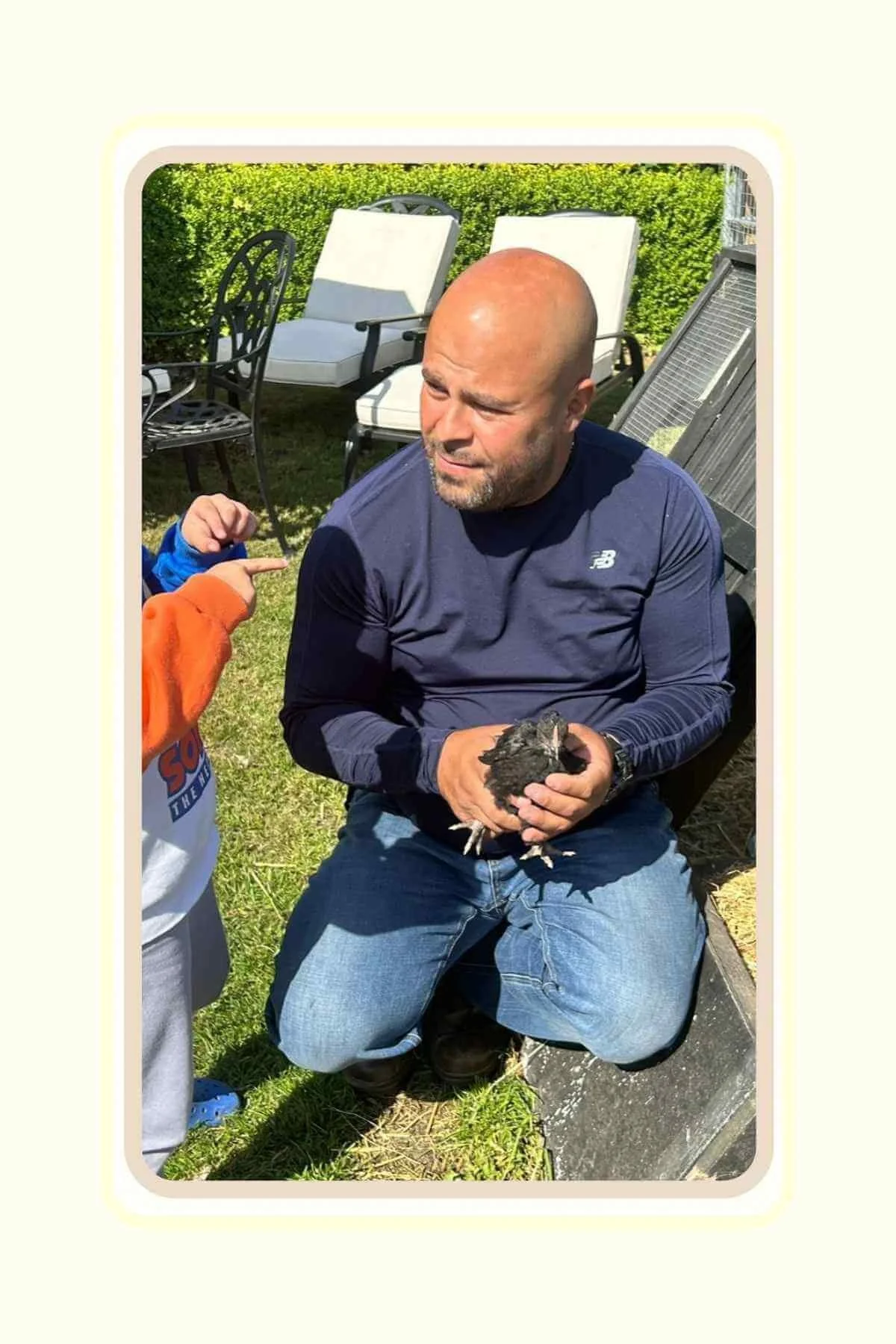
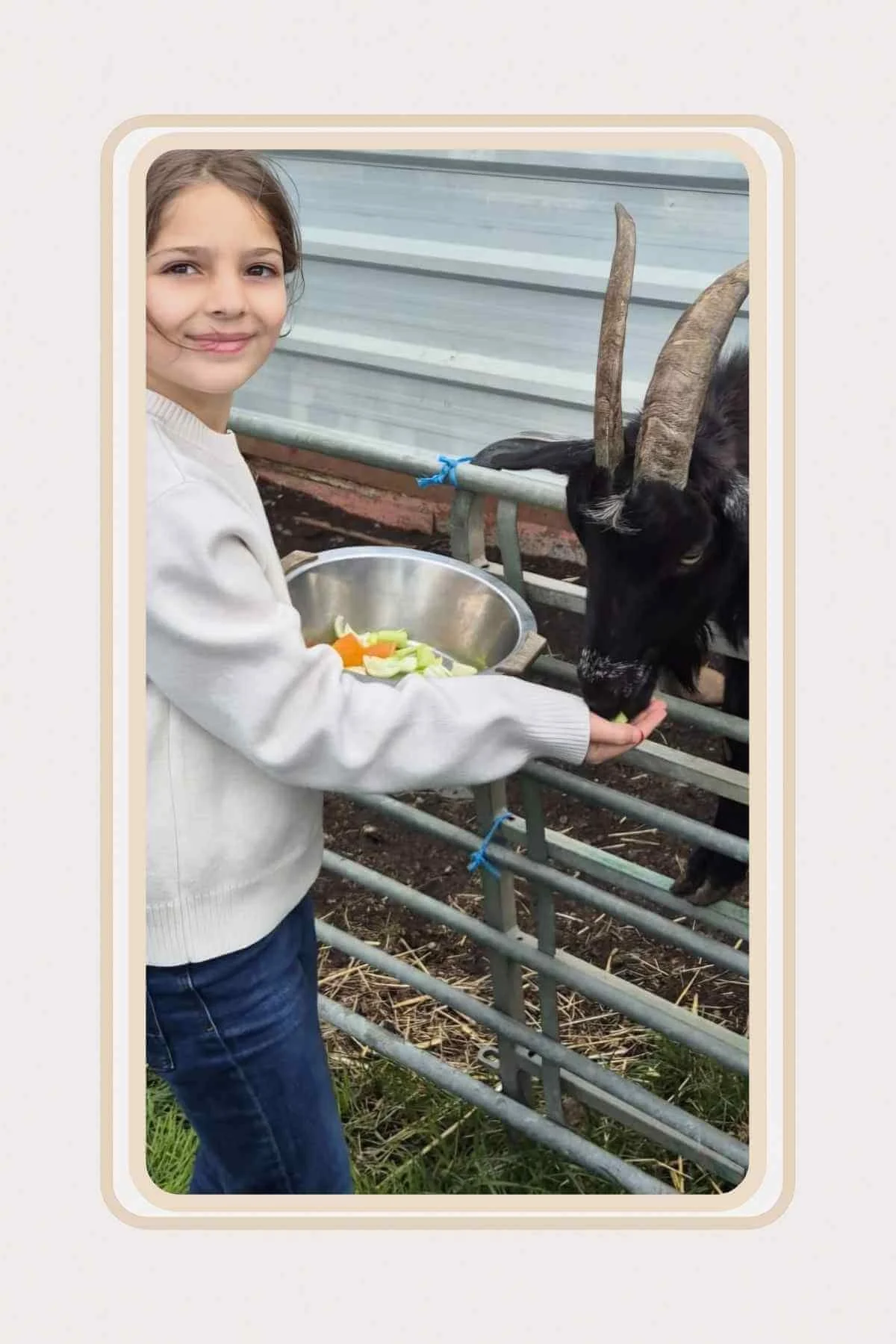
If an animal is in our care, it is our job to give it a good life. That means proper food, clean water, space, shelter, and calm handling. Children see this care every day — feeding, checking, cleaning, spending time with animals — and that matters.
Before we ever talk about animals becoming food, children first understand what it means to look after them. Care isn’t something we explain once; it’s something they witness repeatedly.
That foundation is important.

Understanding the natural cycle — with respect
As children grow, their questions often deepen.
“Why do we eat animals?”
“Why do we eat some animals but not others?”
These questions aren’t challenges — they’re genuine attempts to understand the world.
We explain that all living things need energy to live and grow. Some animals eat plants, some eat other animals, and humans have always been part of that same natural cycle. But being part of that cycle doesn’t mean treating it lightly.
For us, raising livestock for meat is about responsibility, not detachment. Respect doesn’t stop because an animal provides food — if anything, it matters more.
Why Children Ask These Questions
Children growing up on smallholdings live much closer to their food than most. They see animals being born, growing, being handled, and — eventually — leaving the field or pen. It’s natural that questions follow.
We hear things like:
“Where did the lamb go?”
“Why don’t we keep them forever?”
“What does it mean that we’re raising them for food?”
“Does it hurt?”
These questions aren’t signs of distress or confusion. They’re signs of healthy curiosity and emotional development. Children are simply trying to make sense of what they see around them, especially when they feel connected to the animals in their care.
For many children, asking questions is how they process big ideas — life, responsibility, and change — in a safe way.
Preparing Children for Dispatching & Processing
Children do not need to witness slaughter.
What they do benefit from is a calm, age-appropriate understanding of what happens, without fear or secrecy.
When explaining, it can help to focus on a few key points:
The animal is handled kindly and calmly
The process is quick and humane
The animal does not suffer
Questions are always welcome
For many families, this is also a moment to talk about gratitude: > “We always say thank you to the animal for feeding us.”
That simple act often transforms worry into appreciation, and helps children feel grounded rather than frightened.
Food, strength, and growing bodies
Nutrition often becomes part of the conversation too, especially as children get older or hear different messages elsewhere.
We talk about food as fuel — something that helps our bodies grow, heal, and stay strong. Meat is one part of that for our family, alongside vegetables, grains, and other foods.
Rather than labelling foods as “good” or “bad,” we focus on balance. This helps children understand nutrition without fear or confusion, and keeps conversations grounded rather than emotional.
When a child doesn’t want to eat meat
This is an important conversation — and one we think deserves honesty and patience.
Some children, once they understand where meat comes from, decide they don’t want to eat it for a while. We’ve seen this happen, and we don’t treat it as something that needs fixing.
Processing takes time.
Forcing understanding or rushing decisions rarely helps. What matters more is keeping the conversation open and pressure-free, and letting children work through their feelings at their own pace.
Every child processes differently
In our family, several of the children have different mental health needs, such as Autism or/and they have ADHD, and that has shaped how we explain things to those children or teenagers.
Some children find comfort in clear facts and routines. Others feel overwhelmed by too much information and need things explained slowly, in smaller pieces. Some ask the same question repeatedly — not because they didn’t listen, but because they’re still processing.
We’ve learned that understanding doesn’t always arrive in one conversation. Sometimes a child asks one question and needs days or weeks before they’re ready for the next. That pause matters.
Being guided by the child, rather than our own urge to explain everything at once, has made all the difference.
Learning through experience, not lectures
Children learn far more through what they see than what they’re told.
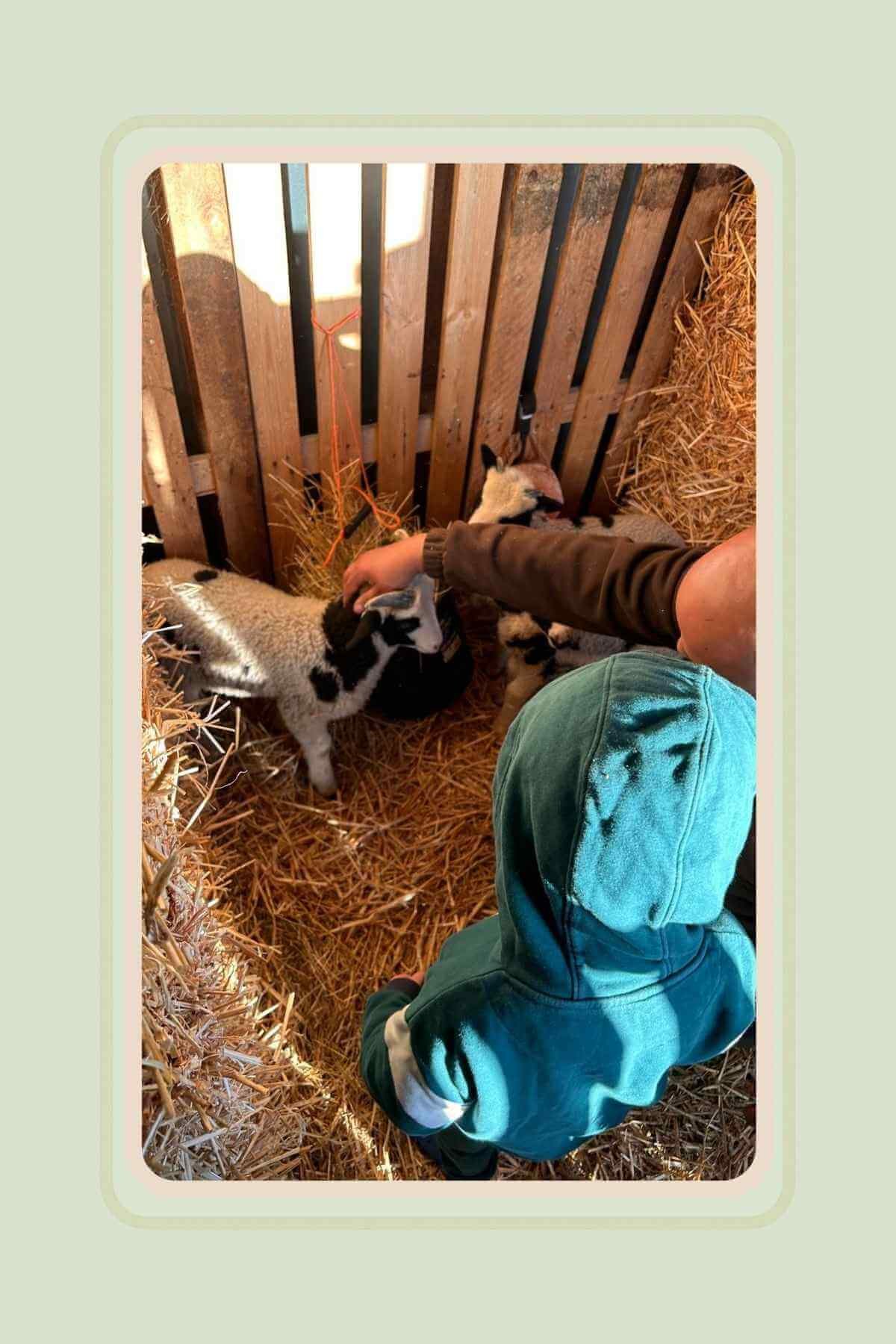
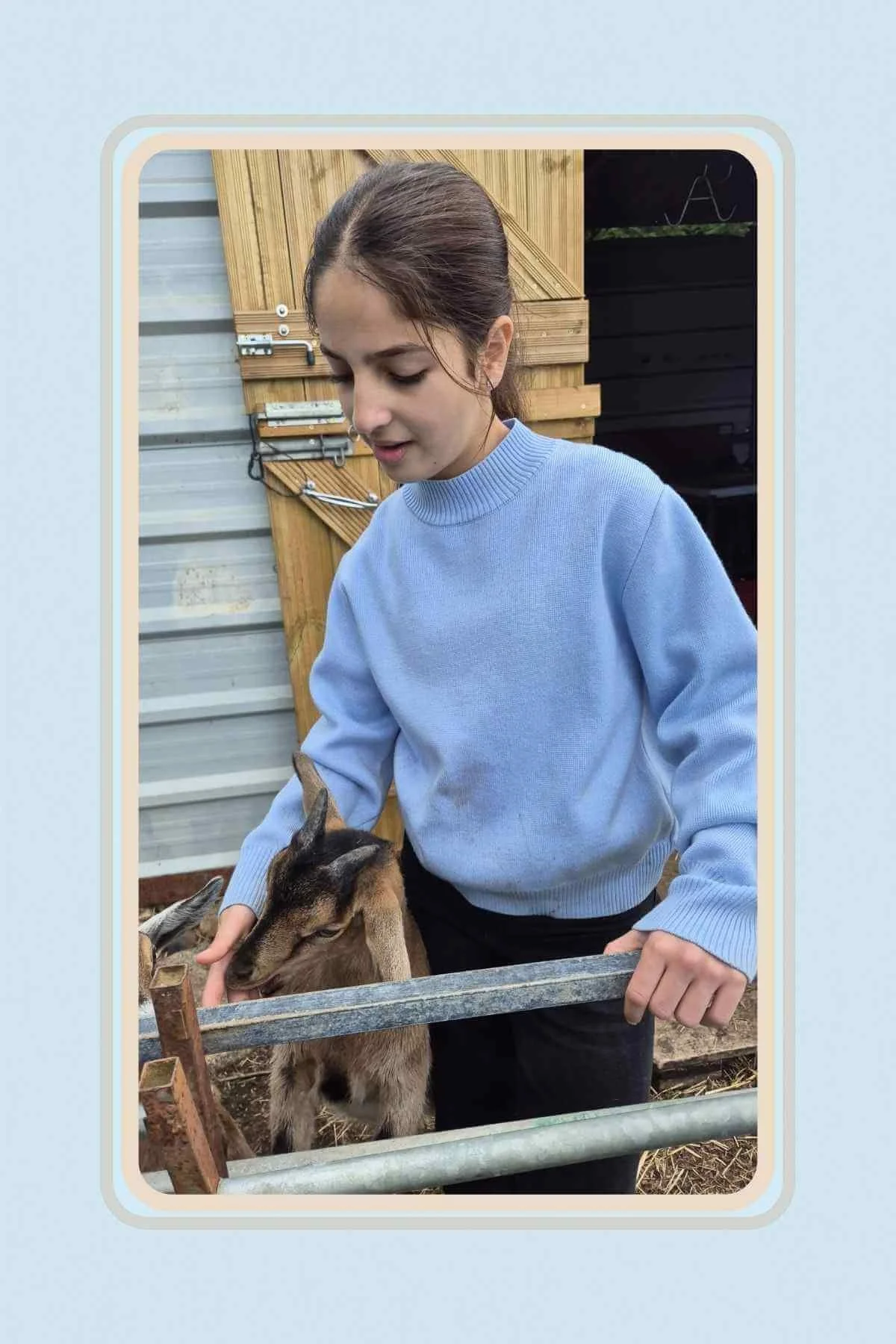
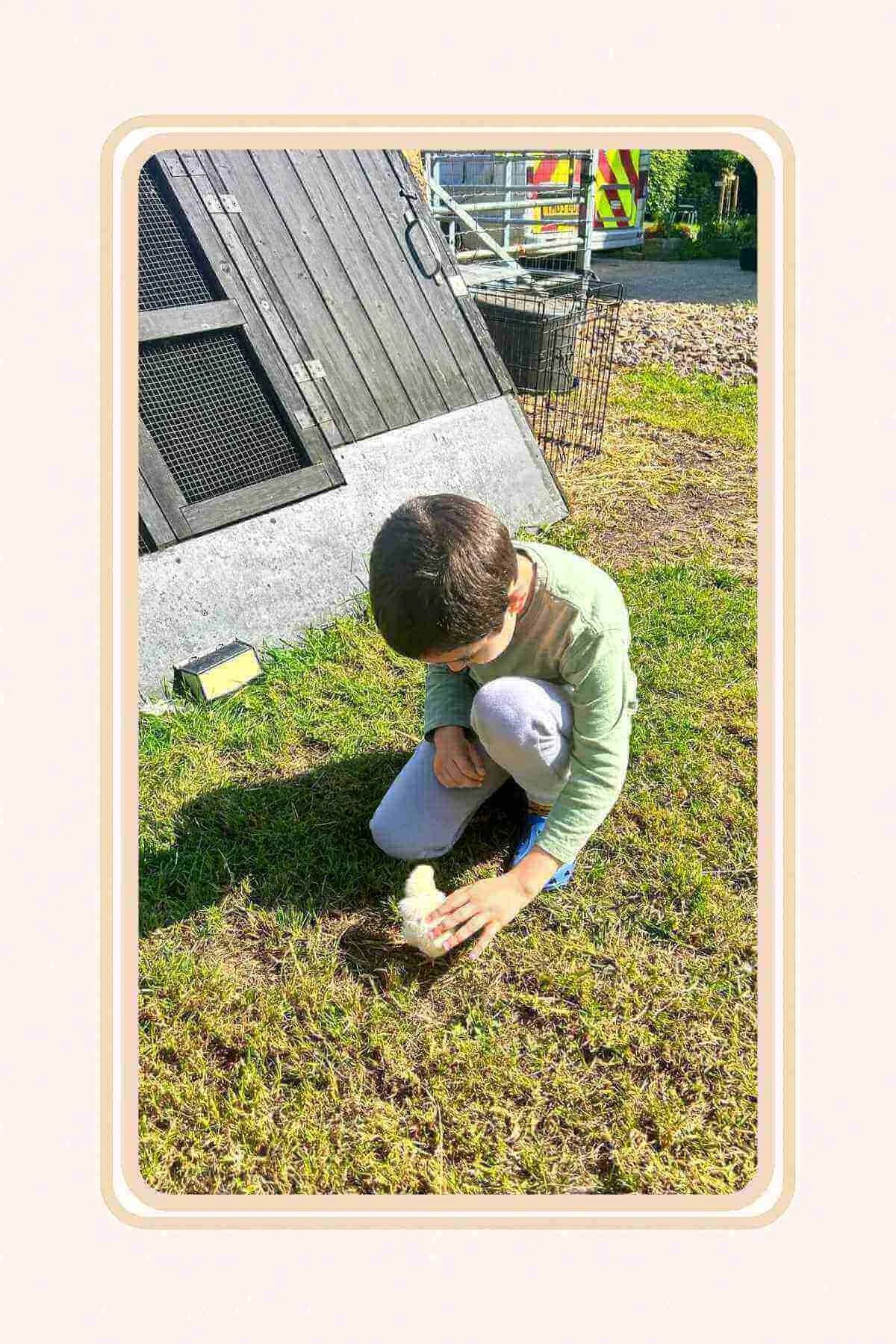
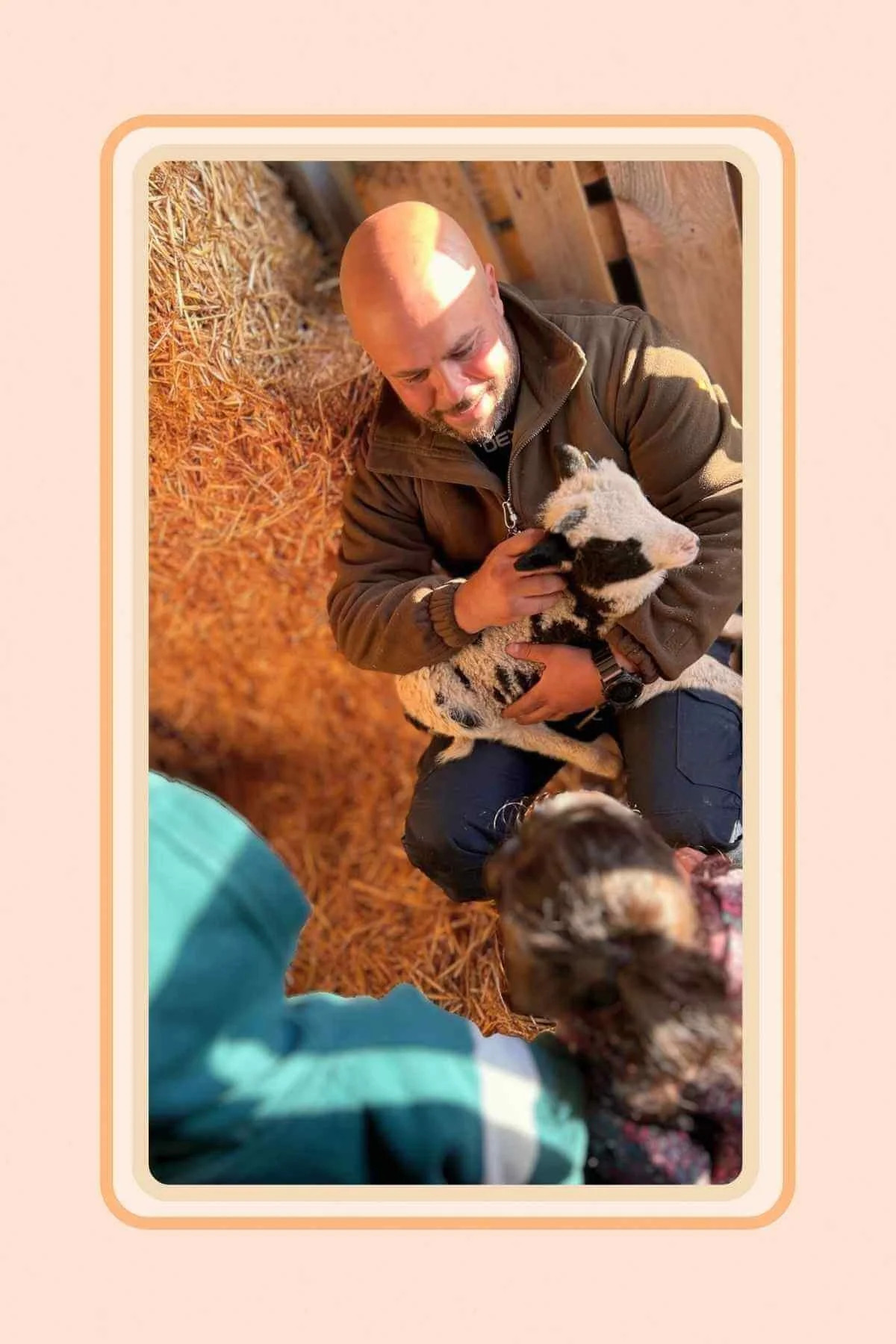
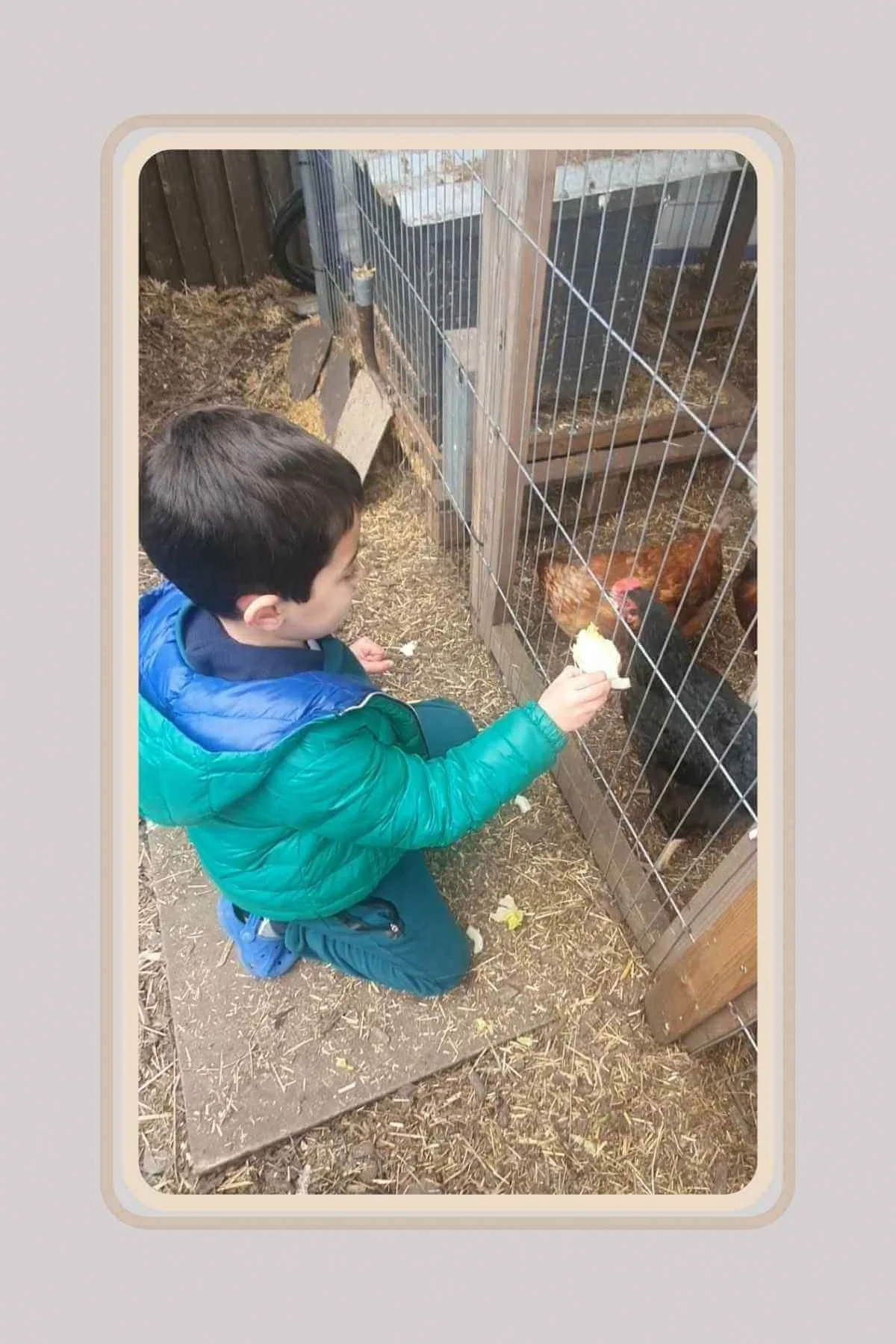
Helping feed animals, watching them grow, being involved in care routines, and later helping prepare food in the kitchen quietly connects animals, food, and responsibility. These experiences often make more sense than long explanations ever could.
Understanding builds gradually, through everyday moments.
Should Children Be Involved? (Age-by-Age Guide)
Every child is different, but age can help guide what’s appropriate.
Under 5
Keep explanations simple and reassuring
Avoid detail
Focus on kindness and care
Ages 6–9
Children begin to understand life cycles
Answer questions honestly but gently
Involve them in care and smallholding tasks — not slaughter
Ages 10–14
Many feel proud of their role in food production
They can handle more explanation
Some may want to observe non-sensitive parts, such as packaging or preparing cuts
15+
Teens often want practical skills and deeper understanding
Some may be emotionally ready to observe or assist with dispatch or butchery
This should always be guided by the child and the family’s comfort level
There’s no requirement for children to be involved — understanding is not the same as witnessing.
How to Explain Livestock in Simple, Honest Language
One of the most effective ways to explain livestock to children is to stay truthful but gentle. Avoid confusing euphemisms — children often cope better with clarity than adults expect.
A simple explanation might be: > “We look after our animals and give them a calm, happy life. And when the time comes, they help feed our family — just like the vegetables we grow in the garden.”
This helps children understand the full cycle:
🌱 We grow food
🐑 We care for animals
🍽️ The animals help feed us
Framed this way, children learn gratitude, responsibility, and connection — lessons many adults only come to later in life.
We also talk openly about the idea that loving an animal doesn’t always mean keeping it forever. For many children, this becomes a powerful way to understand care, purpose, and respect.
If you use an on-farm home kill service, it can help to explain it simply: > “We choose someone who comes here, so the animals stay calm and at home. It’s kinder for them.”
This reassures children that welfare is always the priority.
What to Say When They Ask the Hard Questions
Children often ask questions adults worry about answering. Keeping responses calm and honest usually matters more than finding the “perfect” words.
“Does it hurt them?” > “No. We make sure everything is done calmly and humanely. The animal doesn’t feel fear or pain.”
“Why can’t we keep them as pets?” > “We care for our animals, but they’re here to help feed us. Keeping them forever wouldn’t be fair to them or practical for the farm.”
“Do you feel sad?” > “It’s okay to feel sad. That shows we care. We can feel sad and proud at the same time.”
“Why do we eat animals?” > “People have eaten meat for thousands of years. On our smallholding, we make sure it’s done with care and respect.”
These conversations don’t need to be rushed — and they rarely happen just once.
One farming parent shared that once their children truly understood the role livestock plays in feeding the family, something unexpected happened. Now, if they mention the sheep heading off for processing, there’s far less sadness — and far more joking about dinner, with hands on tummies and big grins all round. The children still love the lambs, still play with them and care for them — but they also understand the purpose, and that understanding brings calm rather than confusion.
Inspired by conversations shared within the UK farming community.
There’s no perfect script
These conversations aren’t tidy or predictable. Sometimes we explain things well. Sometimes we realise later that we could have chosen different words. That’s part of learning — for adults too.
What matters most is honesty, calmness, and respect: for children, for animals, and for the space in between.
Raising livestock alongside children isn’t about shielding them from reality, nor overwhelming them with it. It’s about guiding them thoughtfully, at their pace, with care.
And like most things in family life, it’s something we’re all still learning as we go.
The Benefits of Raising Children Around Honest Food Systems
Children raised around smallholdings often grow up:
more confident
more compassionate
more connected to nature
less anxious about food
more respectful of animals
more aware of where meat truly comes from
They learn that food isn’t simply bought — it’s grown, cared for, and respected.
And perhaps most importantly, they learn that animal welfare matters at every stage, not just at the end.
Final thoughts
If you’re raising children alongside livestock and navigating these conversations yourself, you’re not alone.
Every family approaches it differently — and that’s okay. What matters most is honesty, kindness, and respect for both children and animals.