Which Animals Should I Keep as a Smallholder?
A Practical Guide for Beginners
Written by Richard – smallholder, livestock keeper, and home-kill butcher
For many people, the idea of keeping livestock starts quietly.
A conversation over Christmas, a bit of late-night Googling, or a growing feeling that you want to be more connected to your food, your land, and the animals in your care.

One of the very first questions new smallholders ask is also one of the biggest:
Which animals should I keep as a smallholder?
There isn’t a one-size-fits-all answer — and that’s okay. The right choice depends on your land, your time, and the kind of life you’re hoping to build. This guide isn’t about doing things perfectly. It’s about starting calmly, realistically, and with animal welfare at the centre of every decision.
Start With Your “Why”
Before choosing animals, it’s important to be honest about why you want to keep livestock.
For many of us, smallholding is about becoming more self-sufficient — understanding where our food comes from, relying less on supermarkets, and taking responsibility for the full journey from care to plate.
You might be asking yourself:
Do I want to raise my own meat?
Am I aiming for a more self-sufficient lifestyle?
How much daily responsibility can I realistically manage?
Do I want livestock that fit around family life and work?
There’s no right or wrong answer. But being clear on your “why” will shape which animals suit you, how many you should keep, and how hands-on your care needs to be.
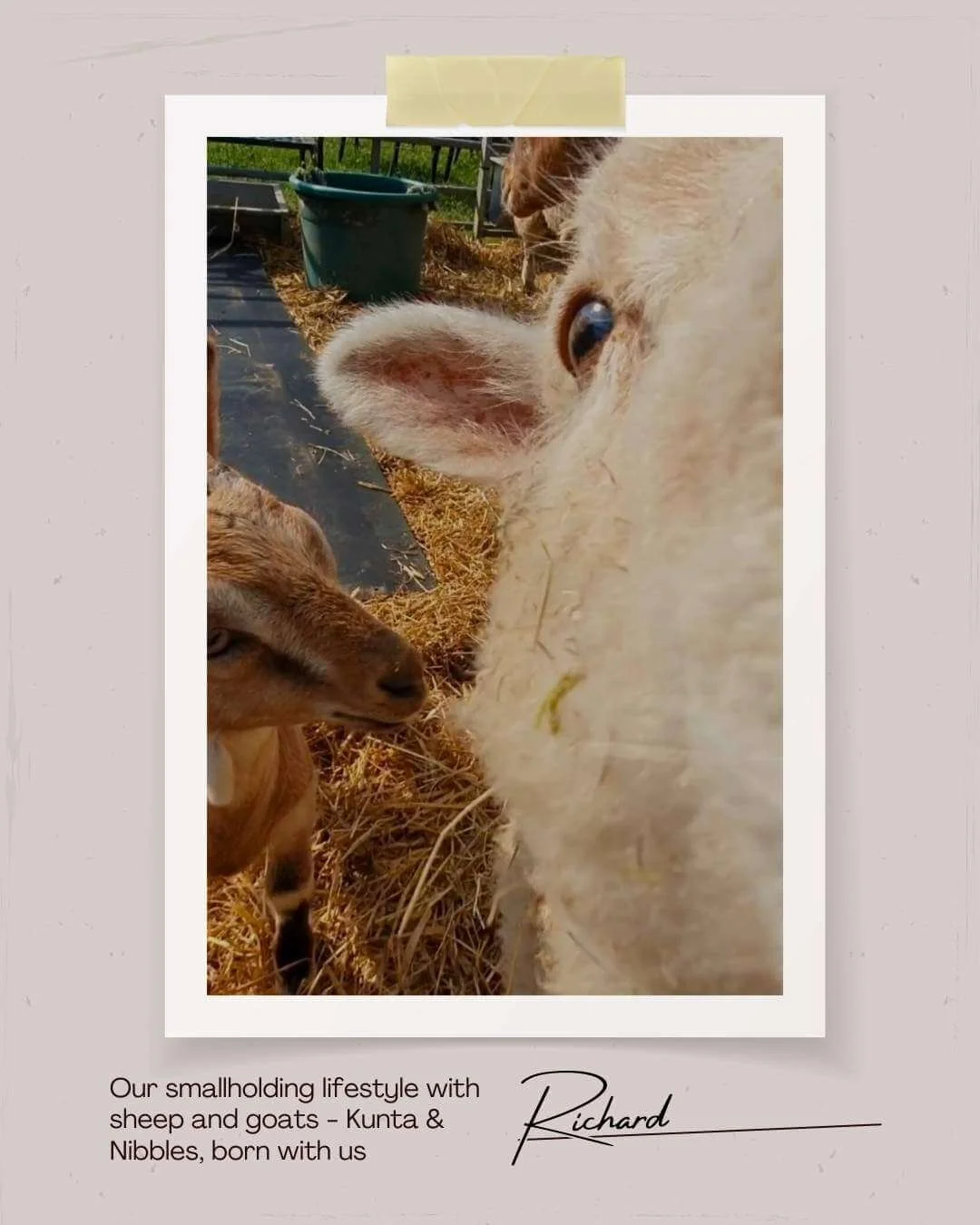
Sheep: A Popular and Manageable Starting Point
Sheep are often one of the first livestock choices for new smallholders, and they can be a very sensible place to start.
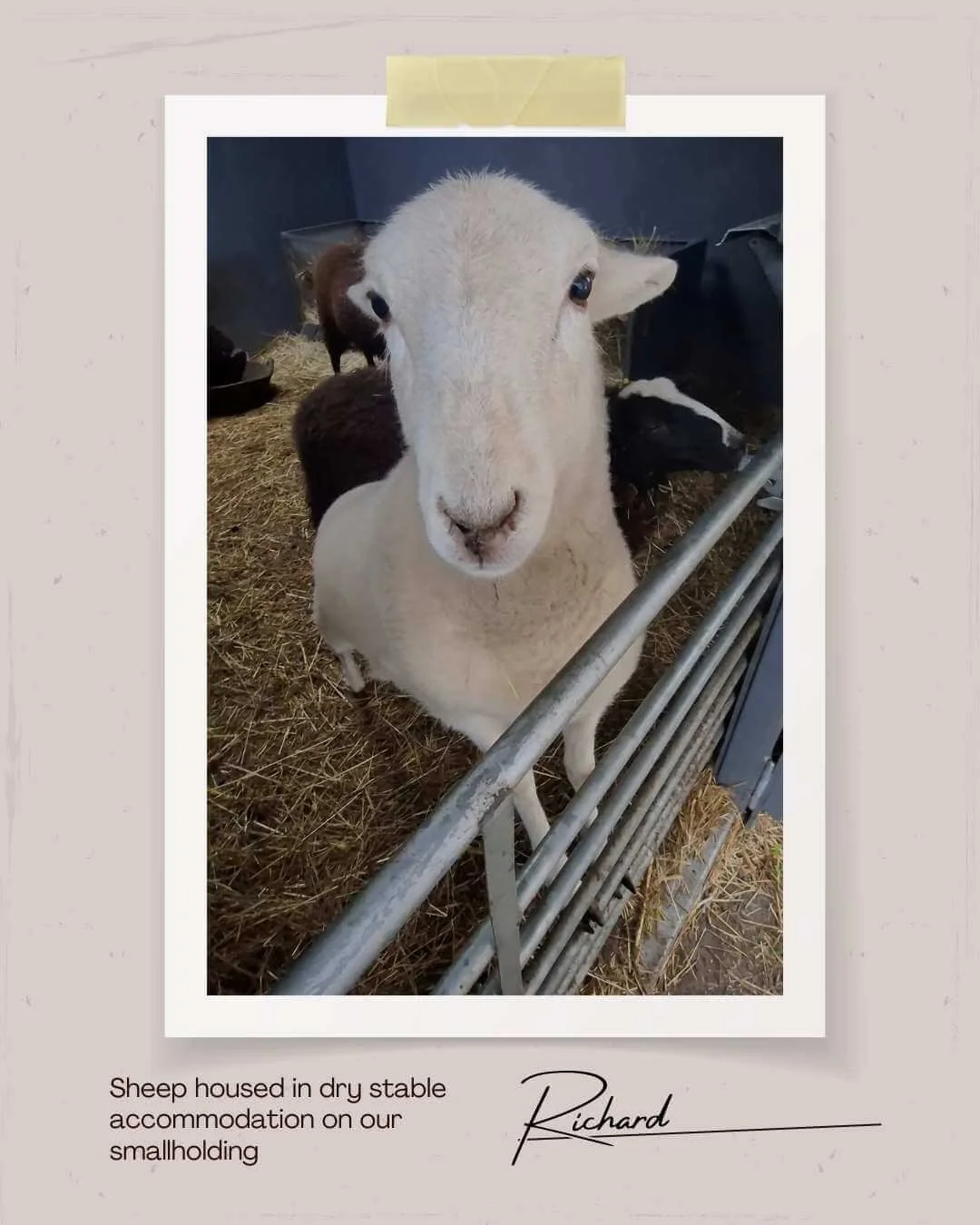
One common myth is that sheep must live on grass. In reality, sheep can thrive without grazing when they’re managed properly.
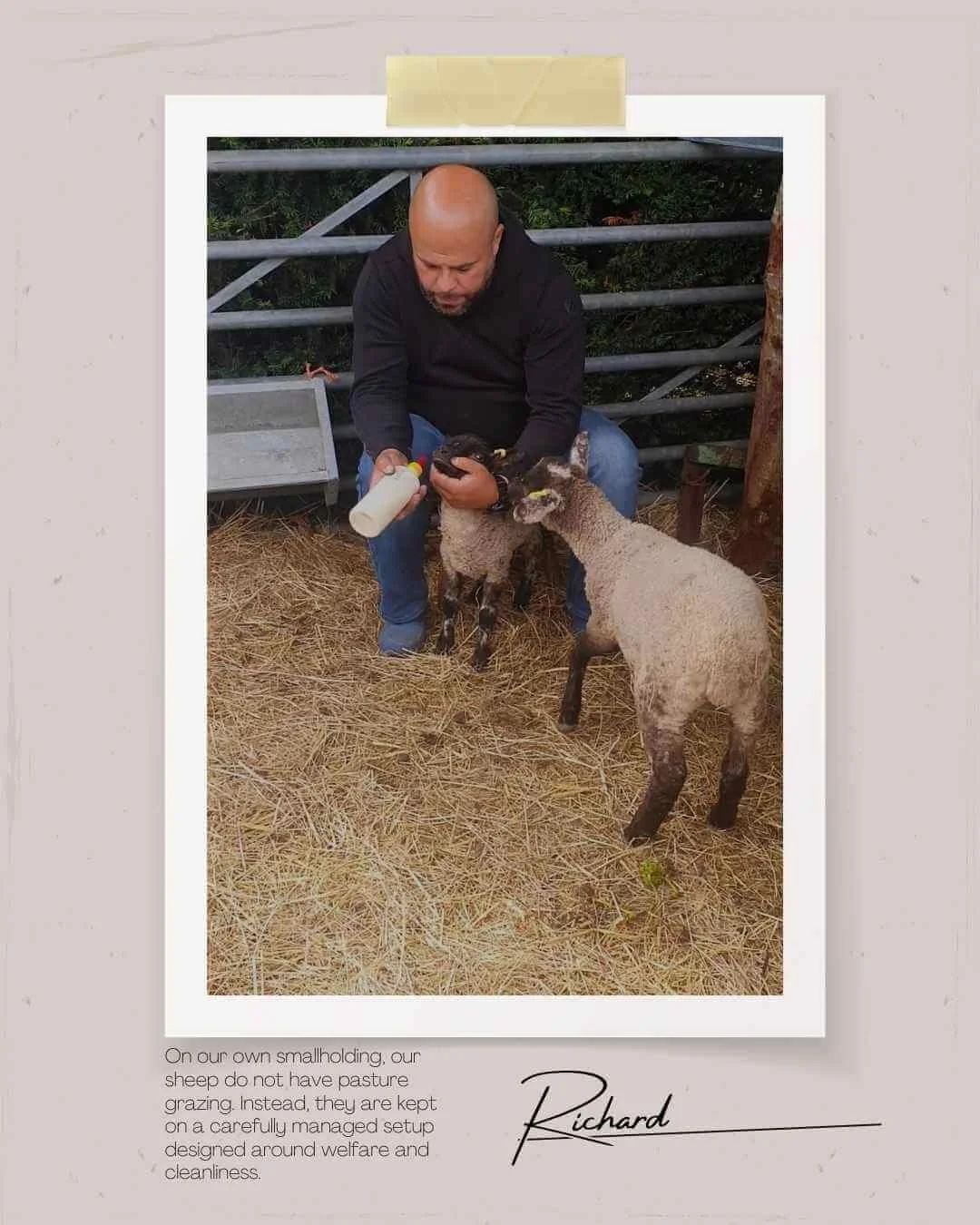
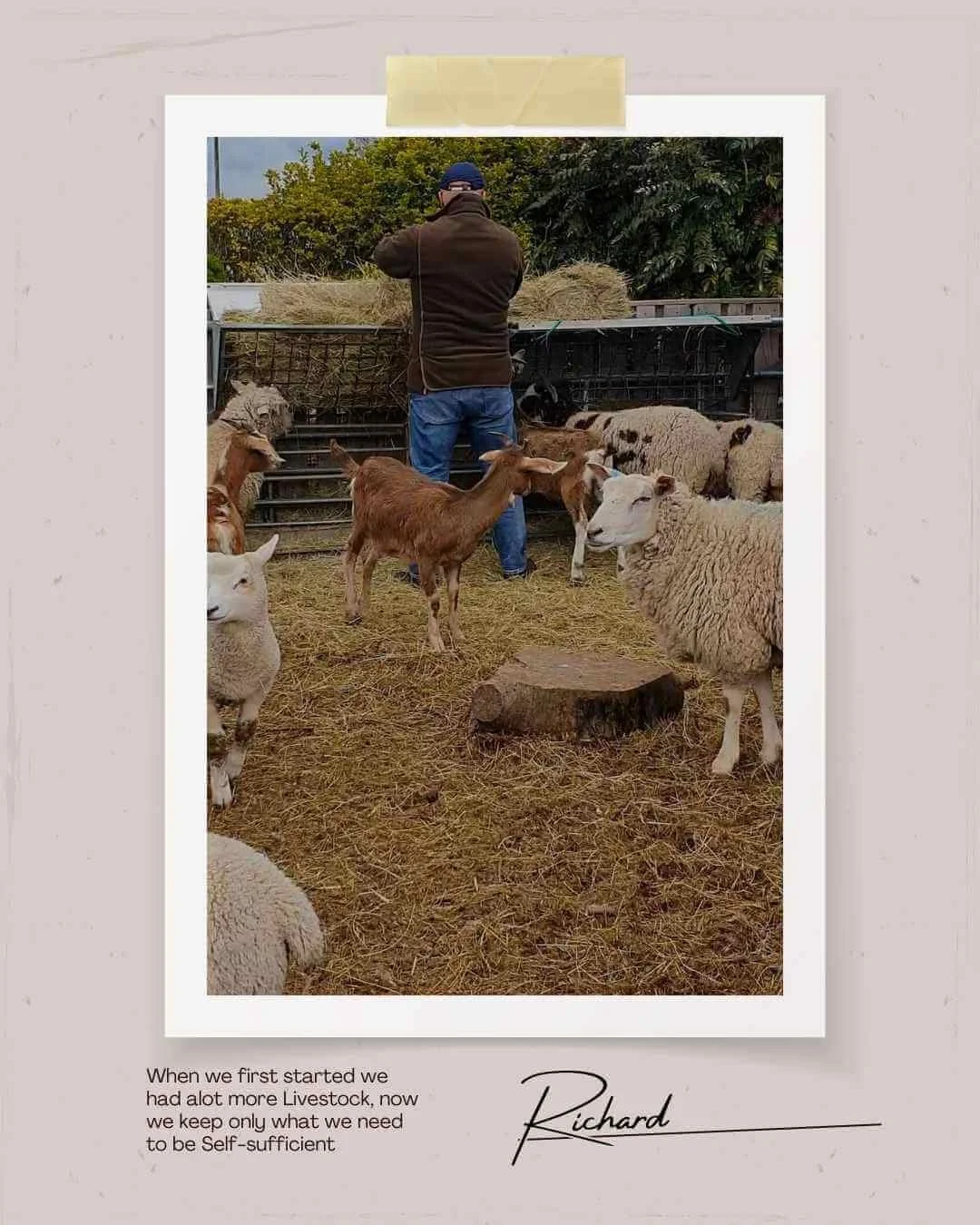
On our own smallholding, our sheep do not have pasture grazing. Instead, they are kept on a carefully managed setup designed around welfare and cleanliness. Of course, we would love to have a property with many acres to be able to give them pasture grazing, but we work with where we call home and ensure that we meet their needs.
Our system includes:
two large, purpose-built stable blocks
a large outdoor penned area for daily movement and exercise
dry winter housing to avoid prolonged exposure to wet ground
They are fed:
good-quality hay - we buy our hay from a lovely local livestock farmer and she delivers the bales to our home address.
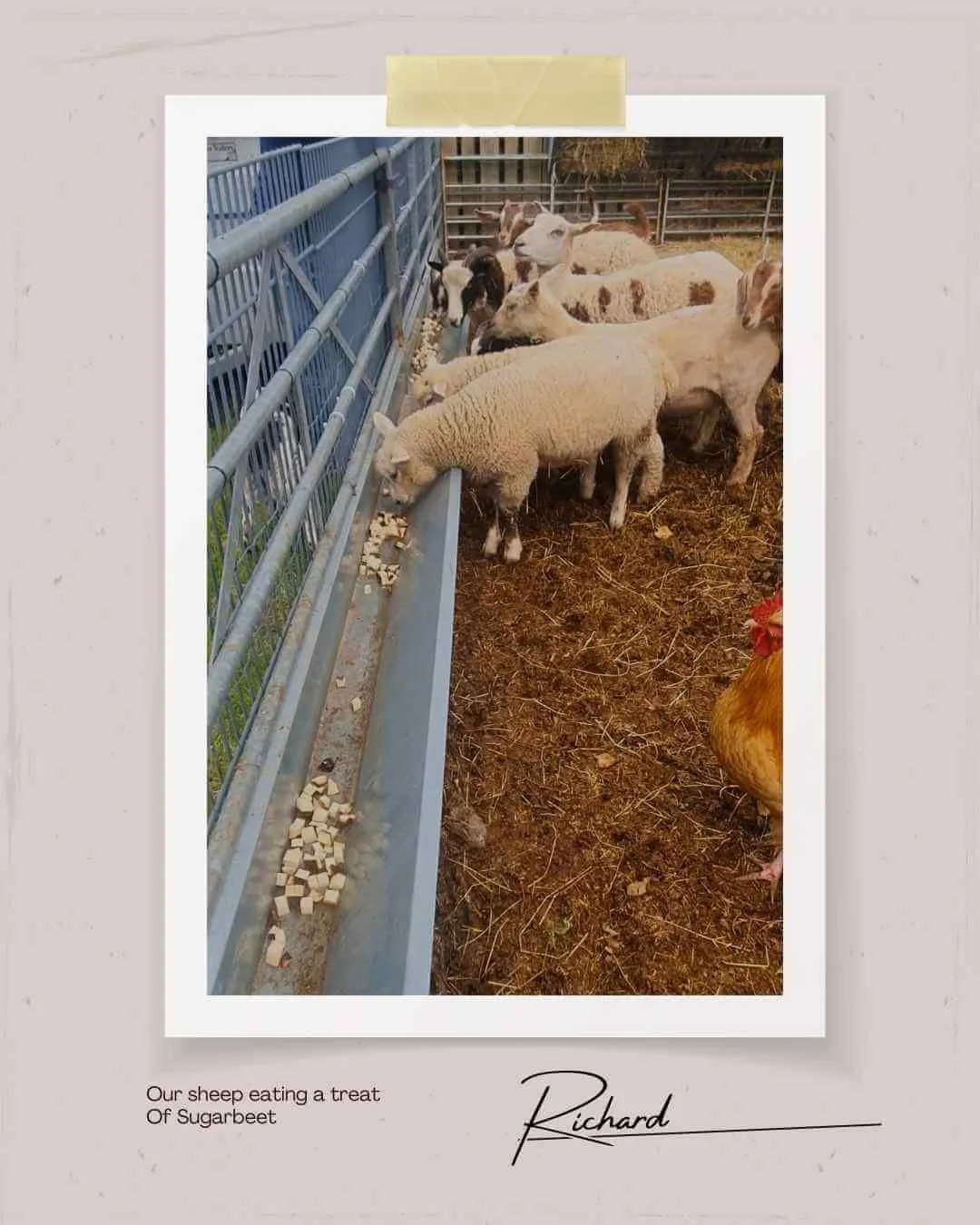
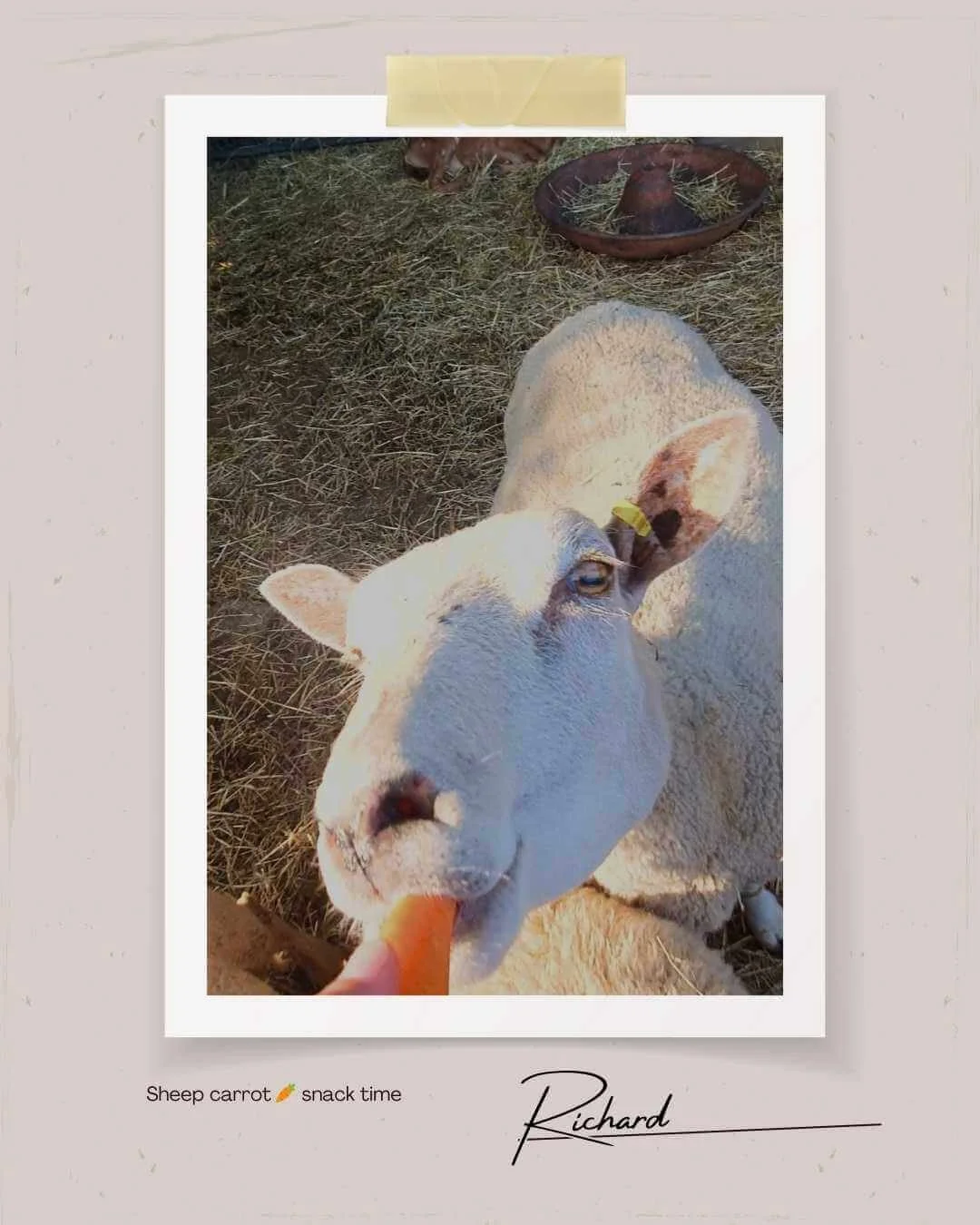
appropriate hard feed when needed (such as multistock pellets, wheat, rolled oats or beet pellets)
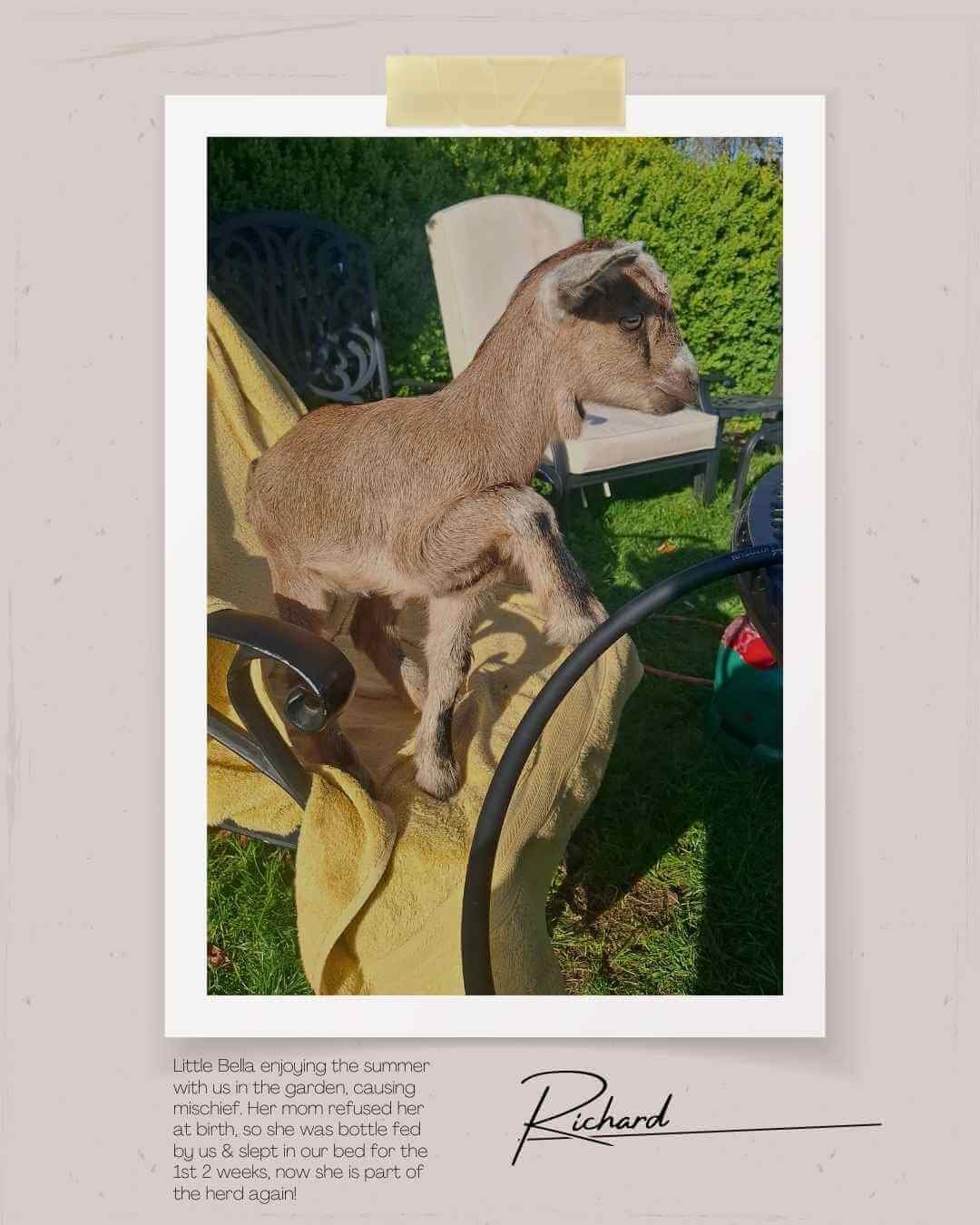
In the summer months, our sheep (and goats) are also allowed to run freely around our lawned garden — usually helping themselves to vegetables along the way. We deliberately changed our lawn to livestock and horse grass, which is far more resilient and suitable than standard turf. Warning - ensure all plants are not poisonous to Livestock.
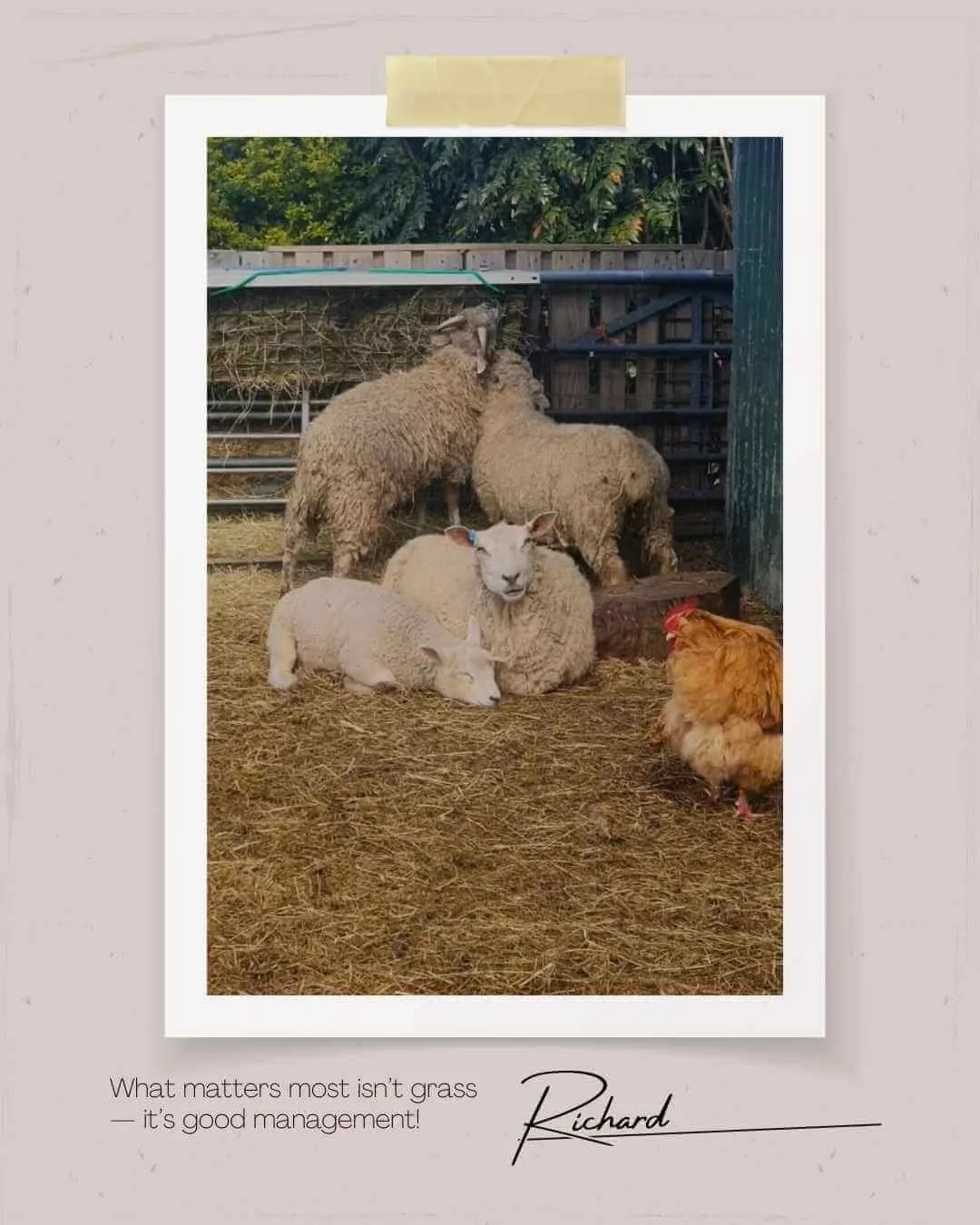
What matters most isn’t grass — it’s good management:
space to move and rest
dry footing
clean housing
regular health checks
Breed choice also matters, particularly if you’re aiming to produce your own meat. Some breeds finish better and provide higher meat yields than others.
We have provided more information on the best breed choices for meat and typical yields in our Blog - WHEN ARE SHEEP OR GOATS READY FOR HOME KILL
Goats: Clever, Curious, and Not Grass-Dependent
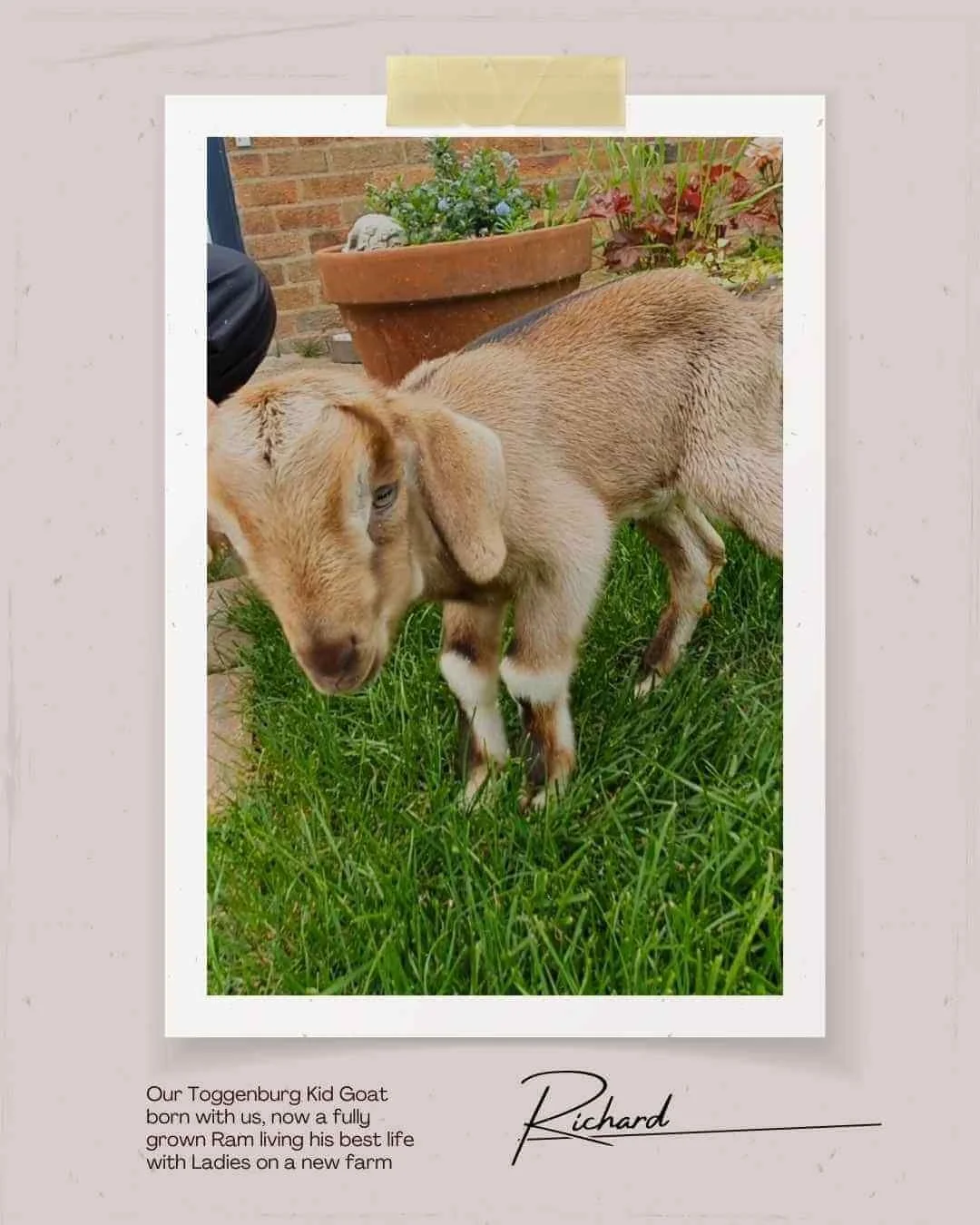
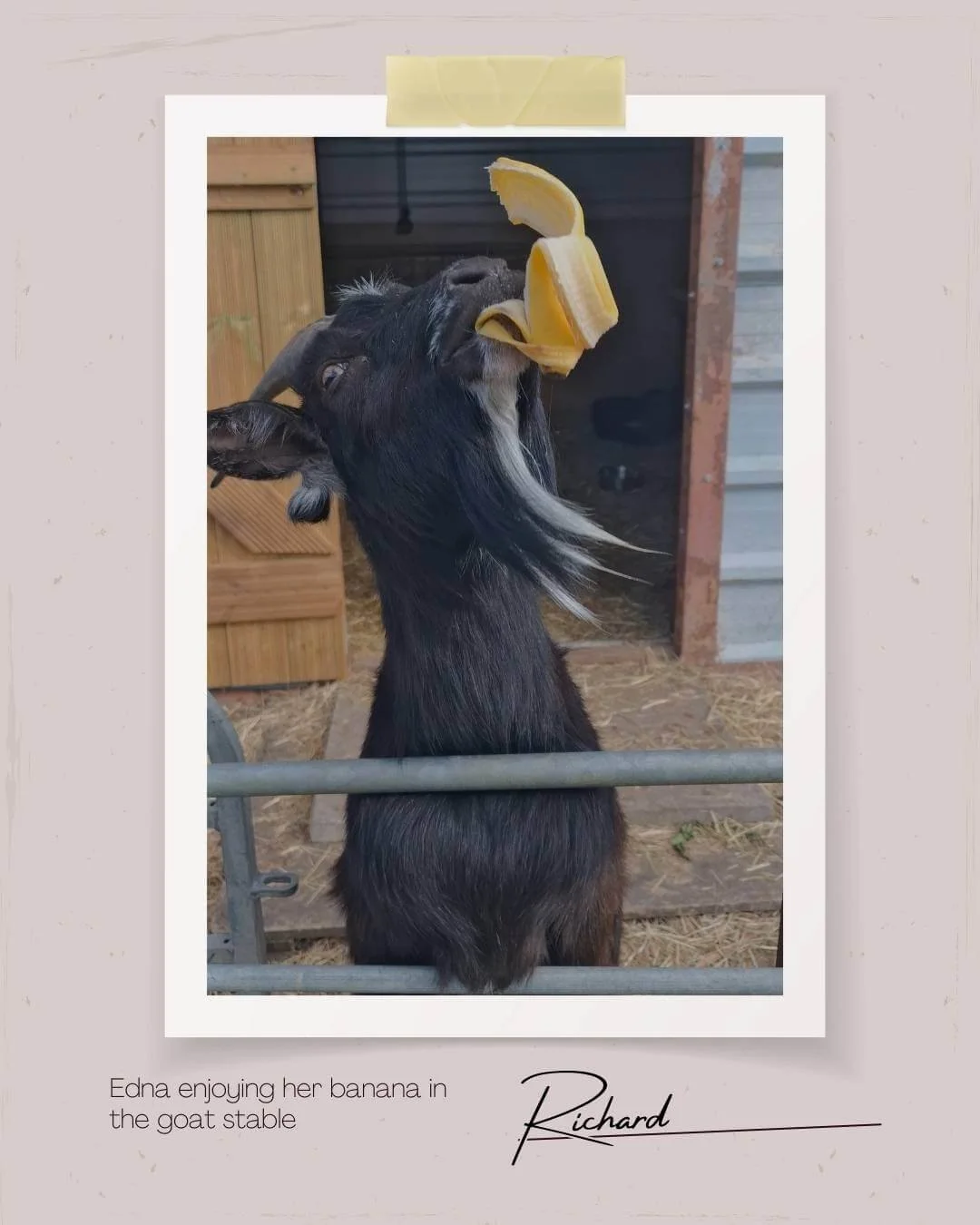
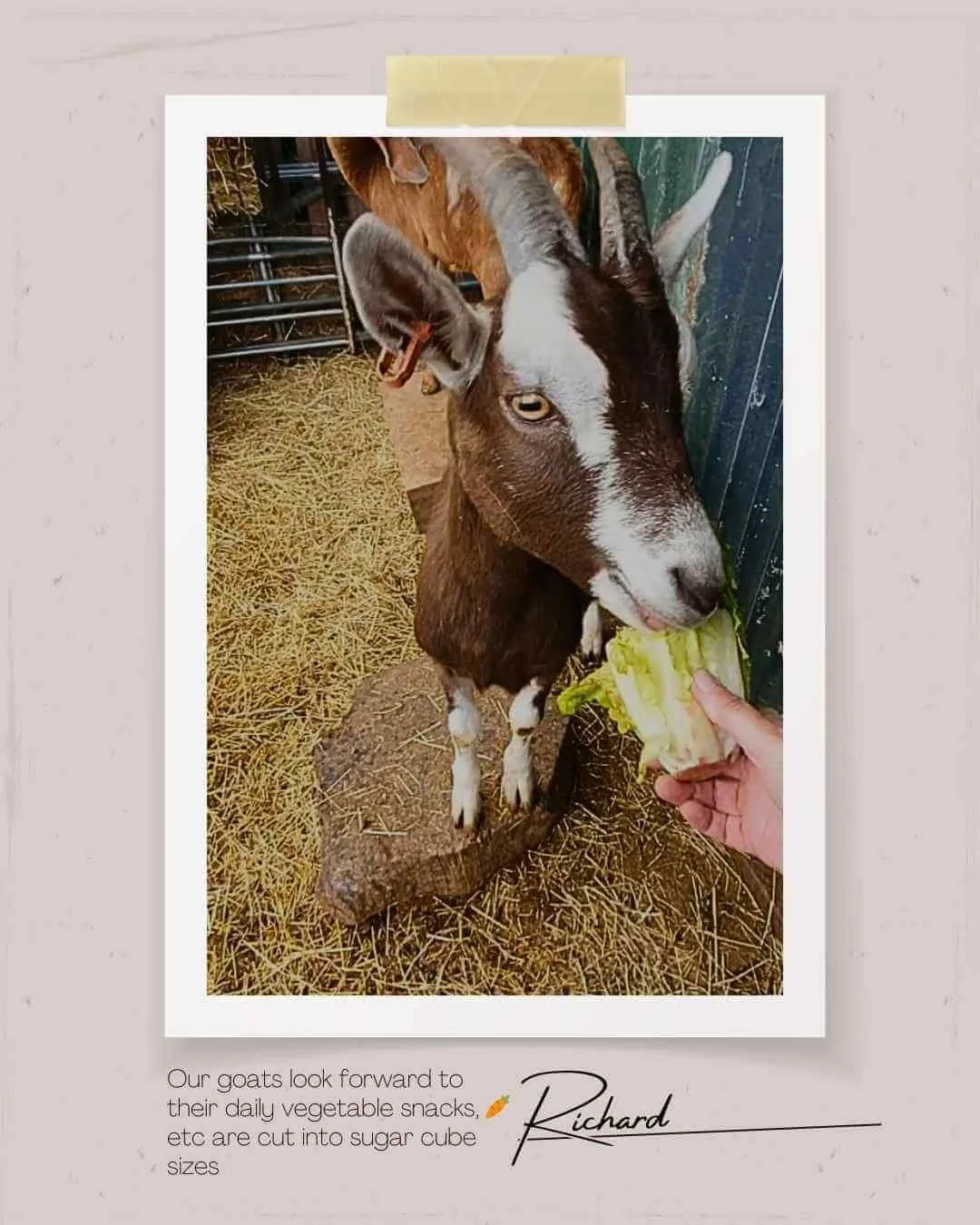
Goats are browsers, not grazers — and they do not need grass to thrive.
Our goats are kept on:
ad-lib hay
goat mix
beet pellets
fresh vegetables
appropriate mineral supplementation
Like our sheep, they benefit from:
stable housing in winter
outdoor pens for daily movement
free-running access to the garden in summer
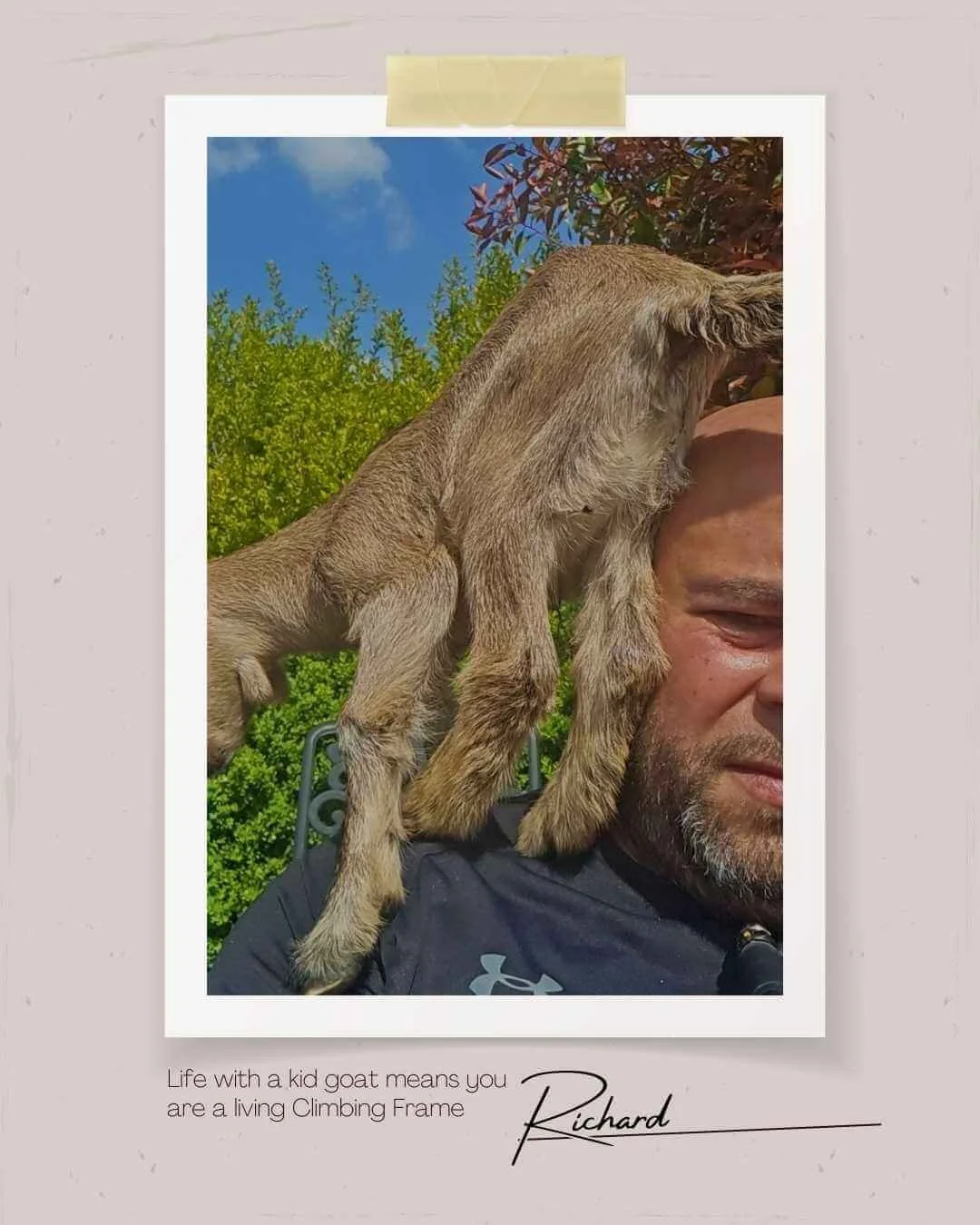
Goats also need enrichment. Space to climb, explore, and interact is just as important as feed.
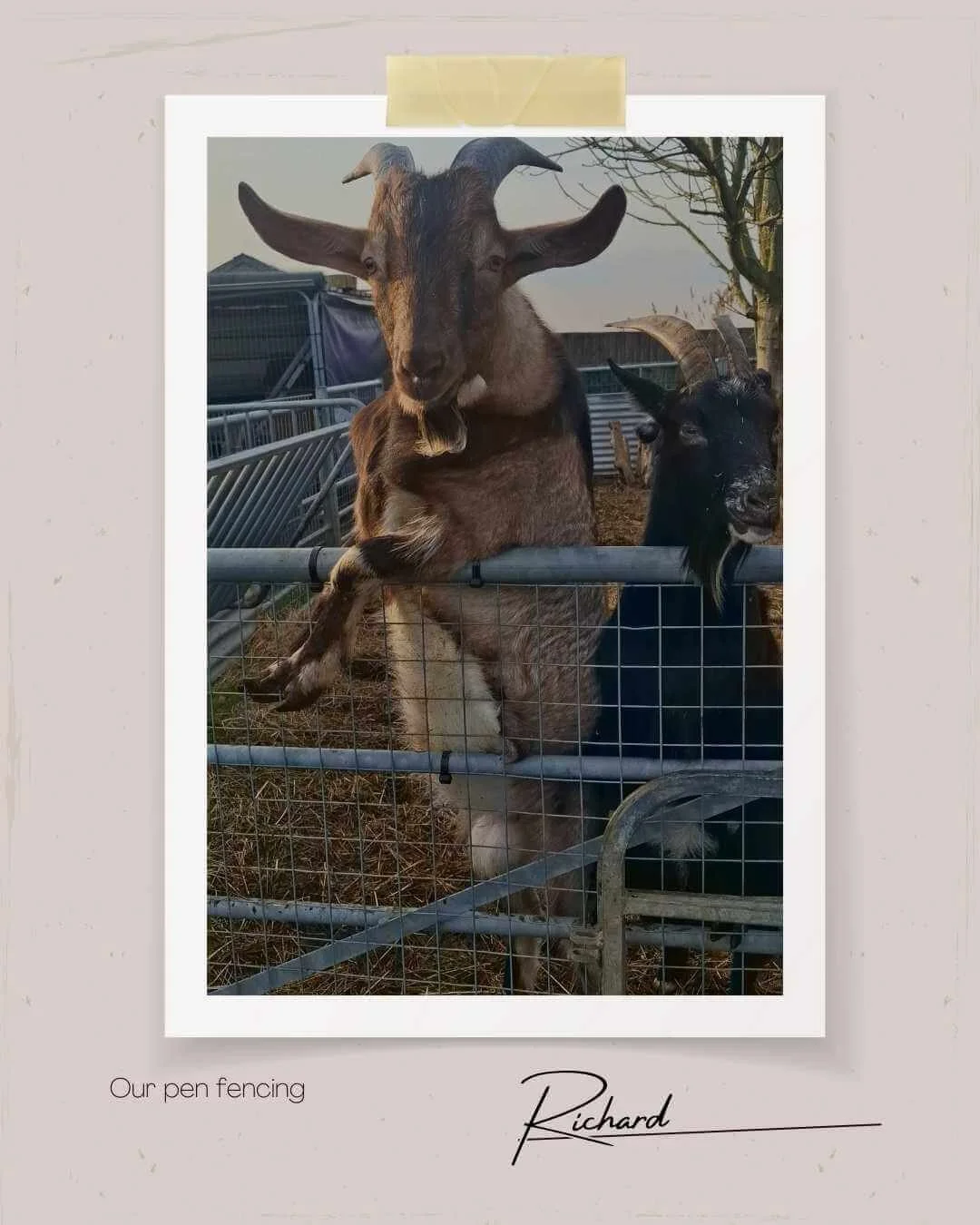
One thing every new goat keeper learns quickly: goats are escape artists.
We’ll never forget chasing an escaped goat over a mile from our property in the early days. That experience taught us a lot — and today our entire boundary is securely fenced, using strong, permanent livestock fencing and heavy-duty gates.
Chickens: Start Small and Be Realistic
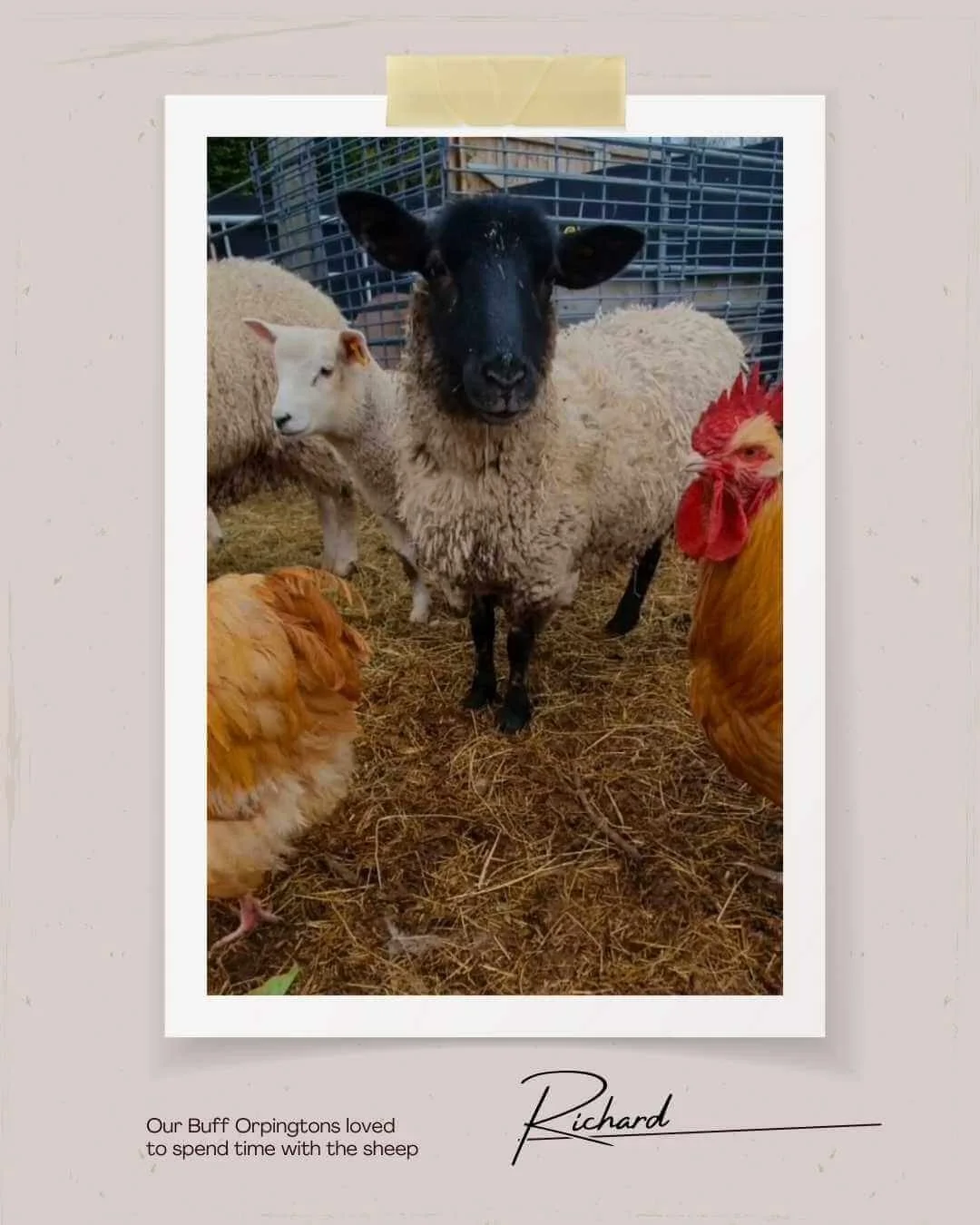
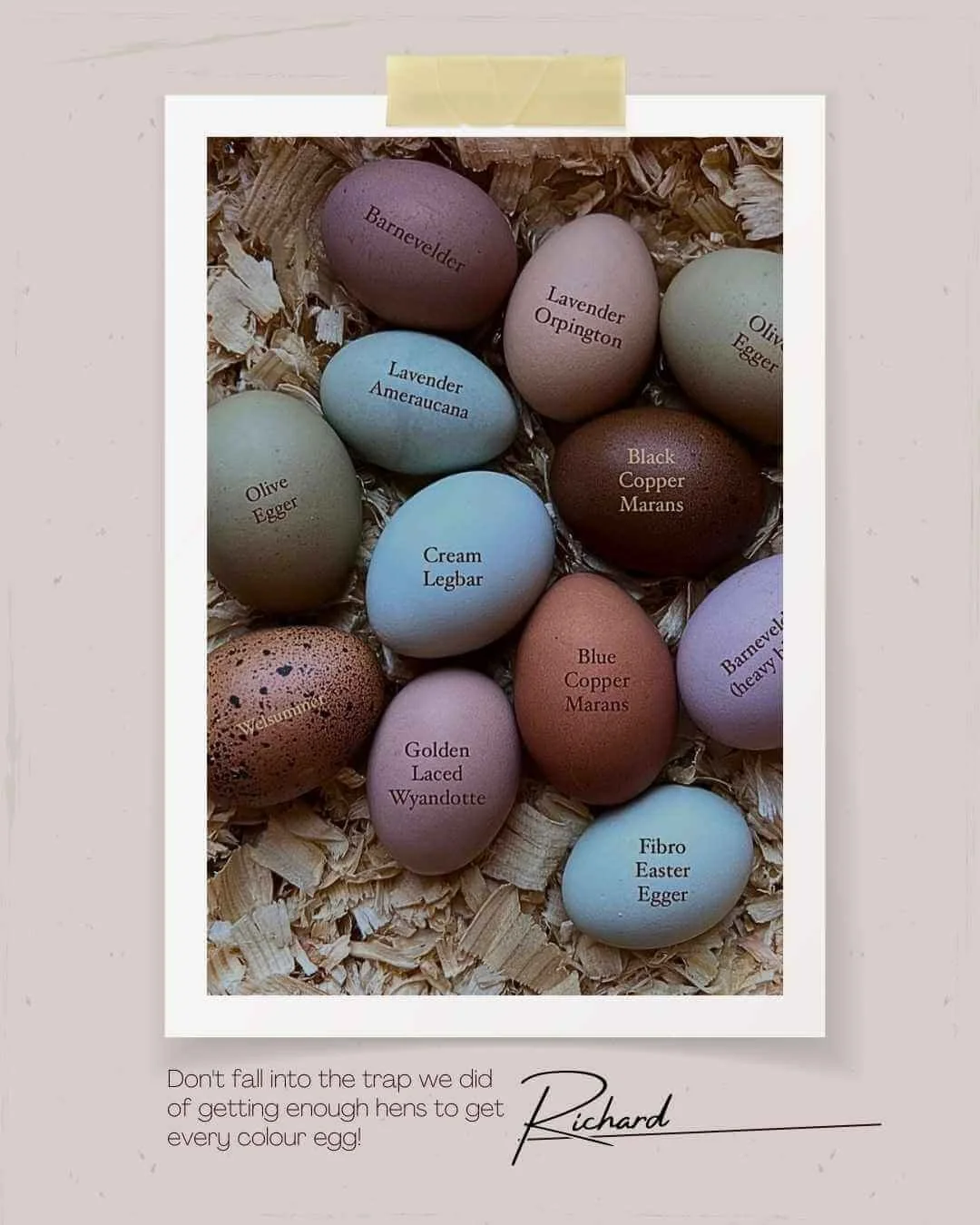
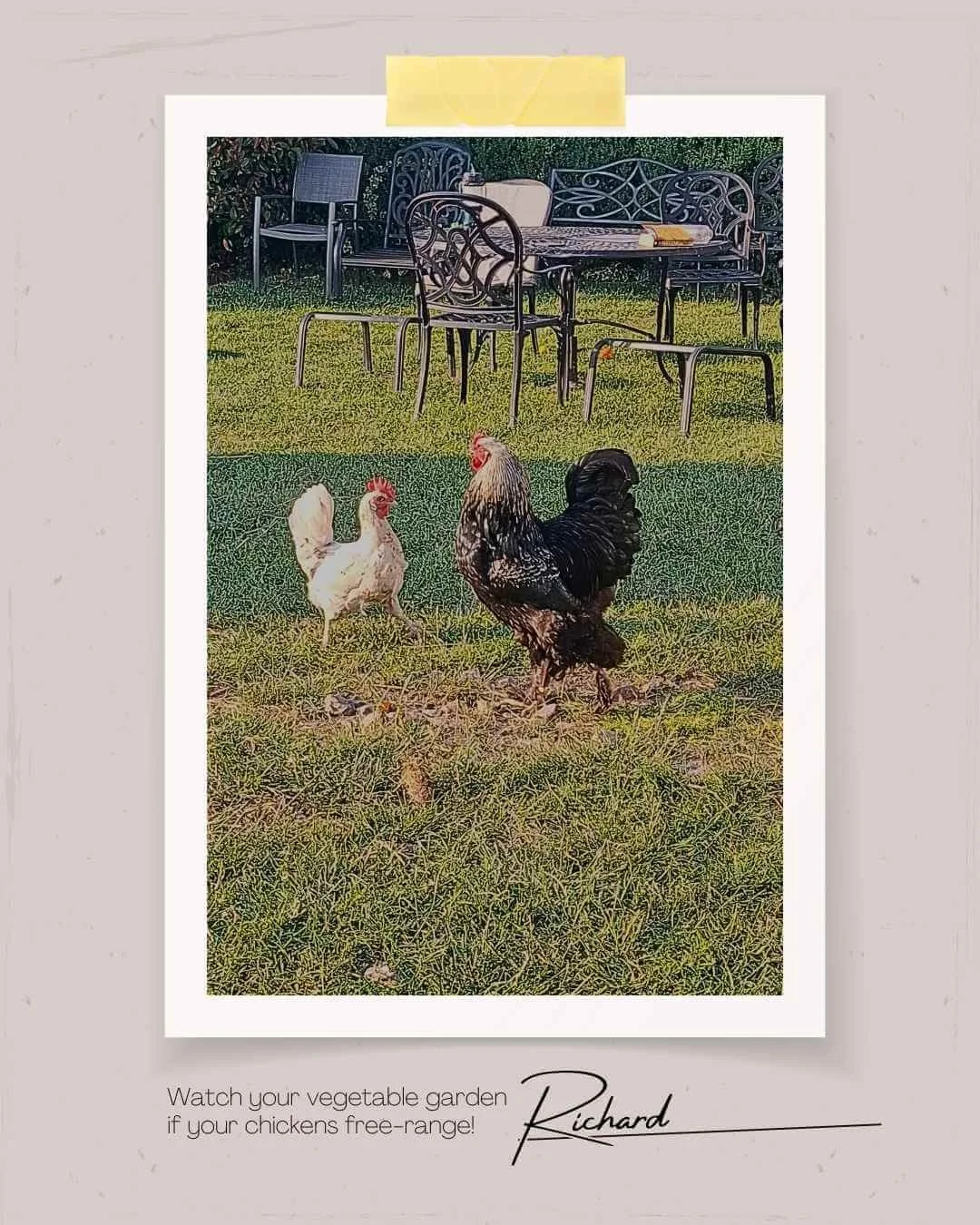
Chickens are often the first livestock people keep, and they’re a great way to learn daily routines. You may have heard the literary quote “YOU START WITH CHICKENS….AND SOMEHOW YOU END UP WITH A FARM” We can confirm it to be true!
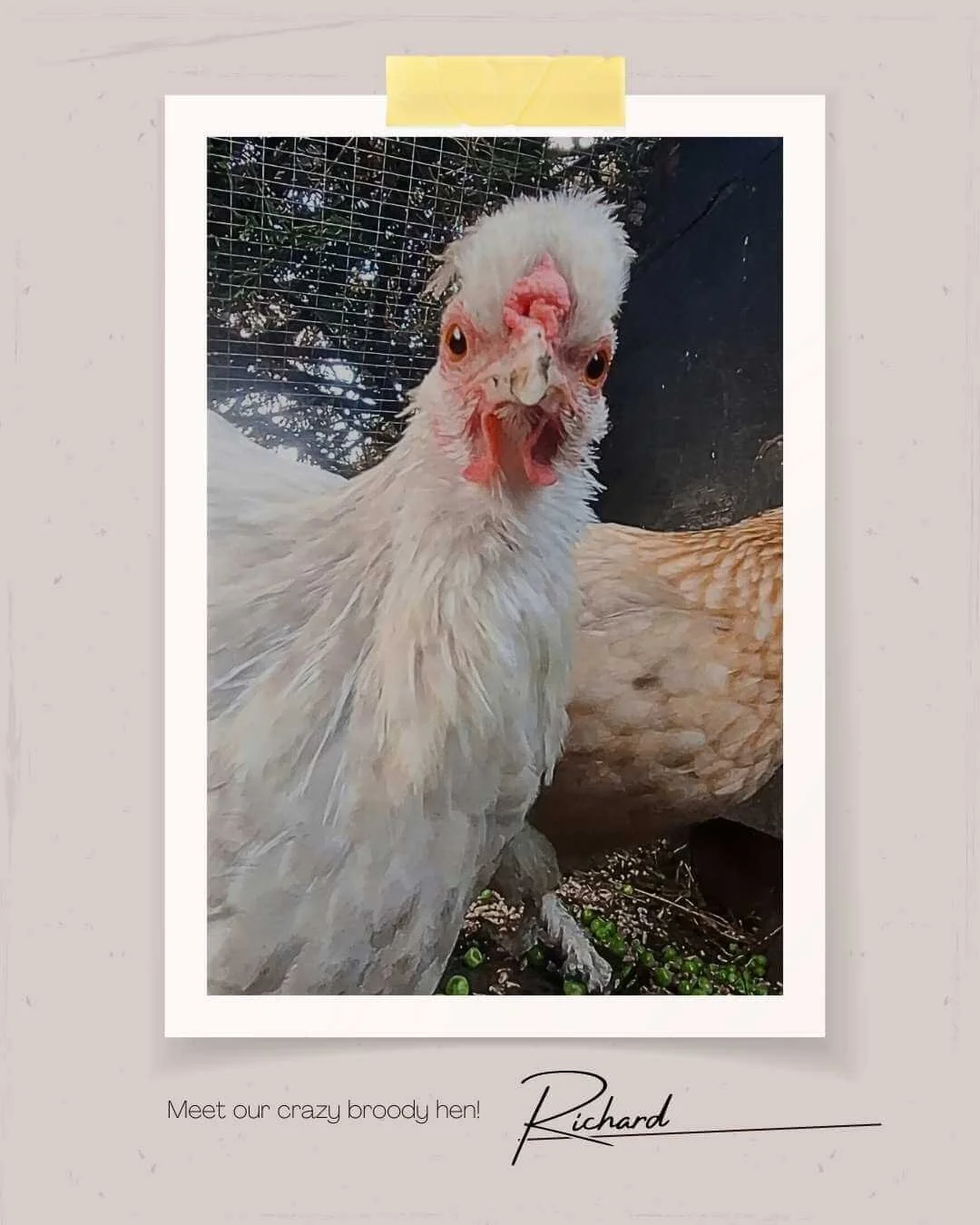
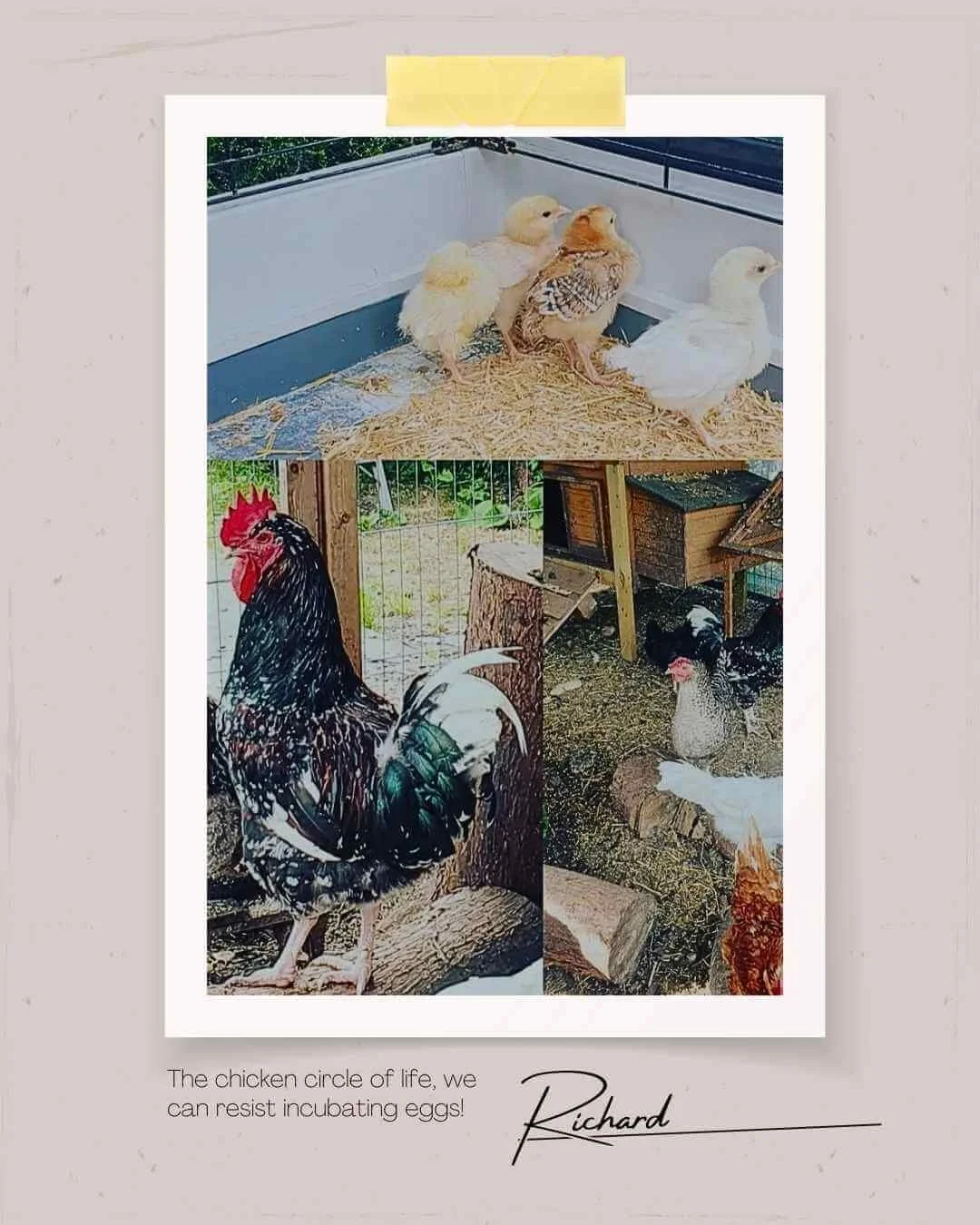
One lesson we learned early on was not to keep too many. We keep our hens at around five, which gives us plenty of eggs without waste. When numbers increase, eggs often go unused. Although we have had a broody hen and hatched chicks and when we first started and we often incubated eggs and had the delight of raising chicks.
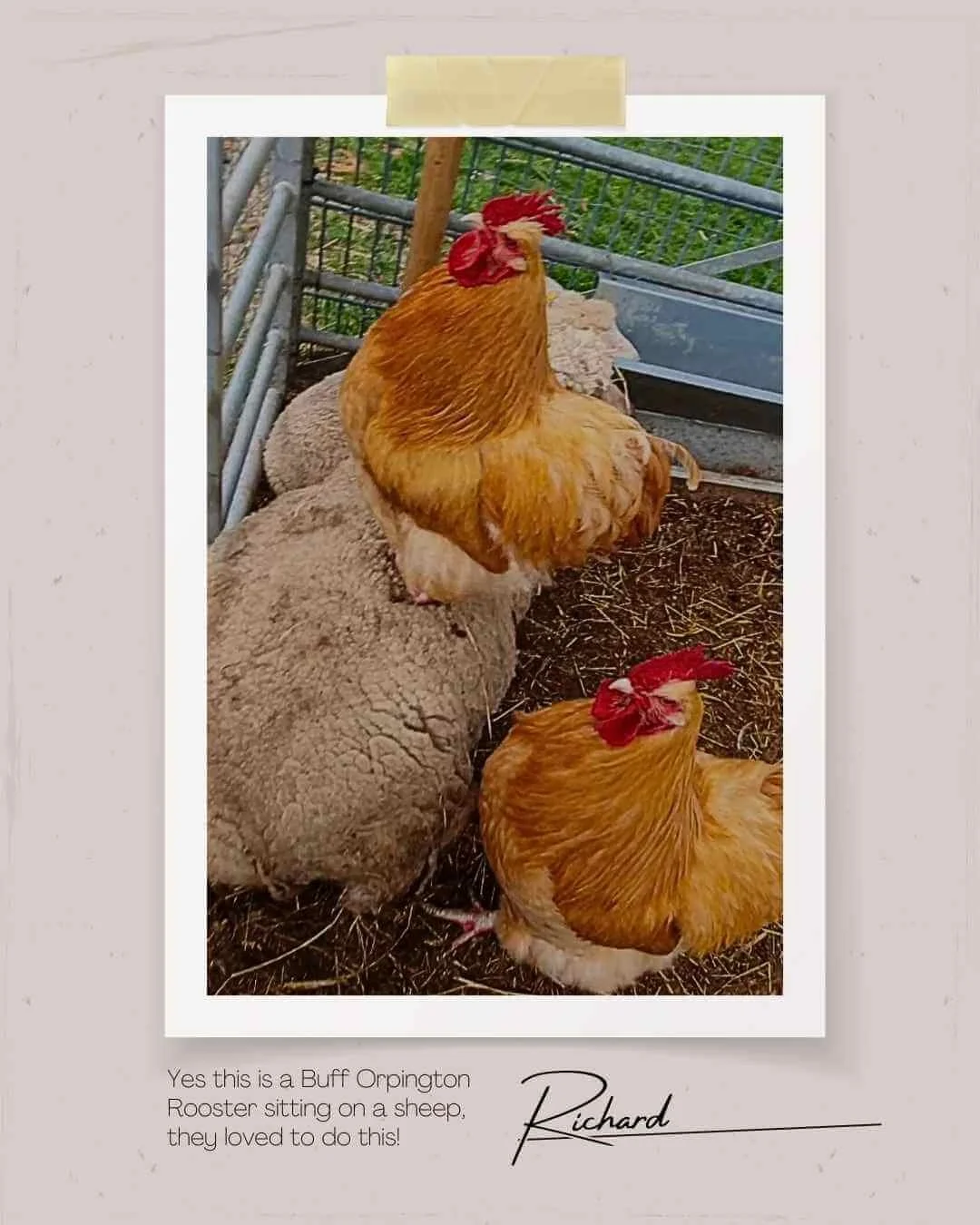
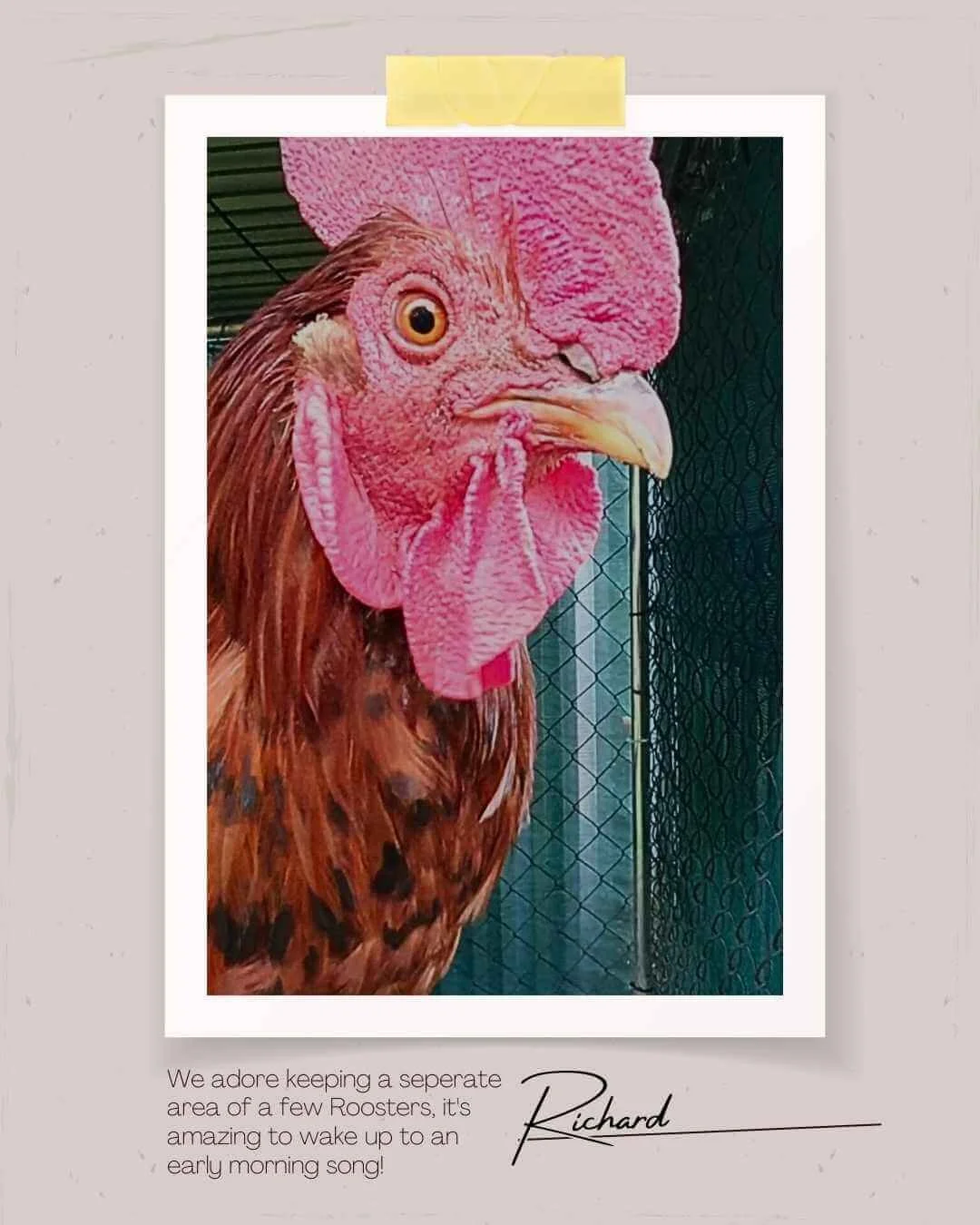
We also like keeping a rooster or two. Occasionally, we keep cockerels for meat — what we call country chicken. These birds are best suited to slow cooking, such as stews, and allow livestock to be used responsibly rather than wasted.
Chickens still require thoughtful planning. Key considerations include:
secure housing that protects from predators
clean, dry bedding to reduce disease
regular health checks and parasite control
appropriate feed and access to fresh water
planning for winter, when egg production naturally drops
It’s also worth thinking ahead about what you’ll do if you end up with unexpected roosters, as this is common when buying young birds or incubating eggs. Having a plan prevents stress later on and supports responsible smallholding. We have been known to build more chicken areas as we love the sound of Roosters, and rearing them from young we have found that they are happy to live together. Please ensure you do your research for the appropriate number of hens to keep per Rooster. We do like to ensure that the Rooster in with our hens is gentle and does not want to mate excessively.
Like all livestock, chickens thrive on routine. Calm handling, consistent care, and realistic numbers go a long way in keeping a small flock healthy and enjoyable to manage.
Meat Rabbits: Quiet, Efficient, and Often Overlooked
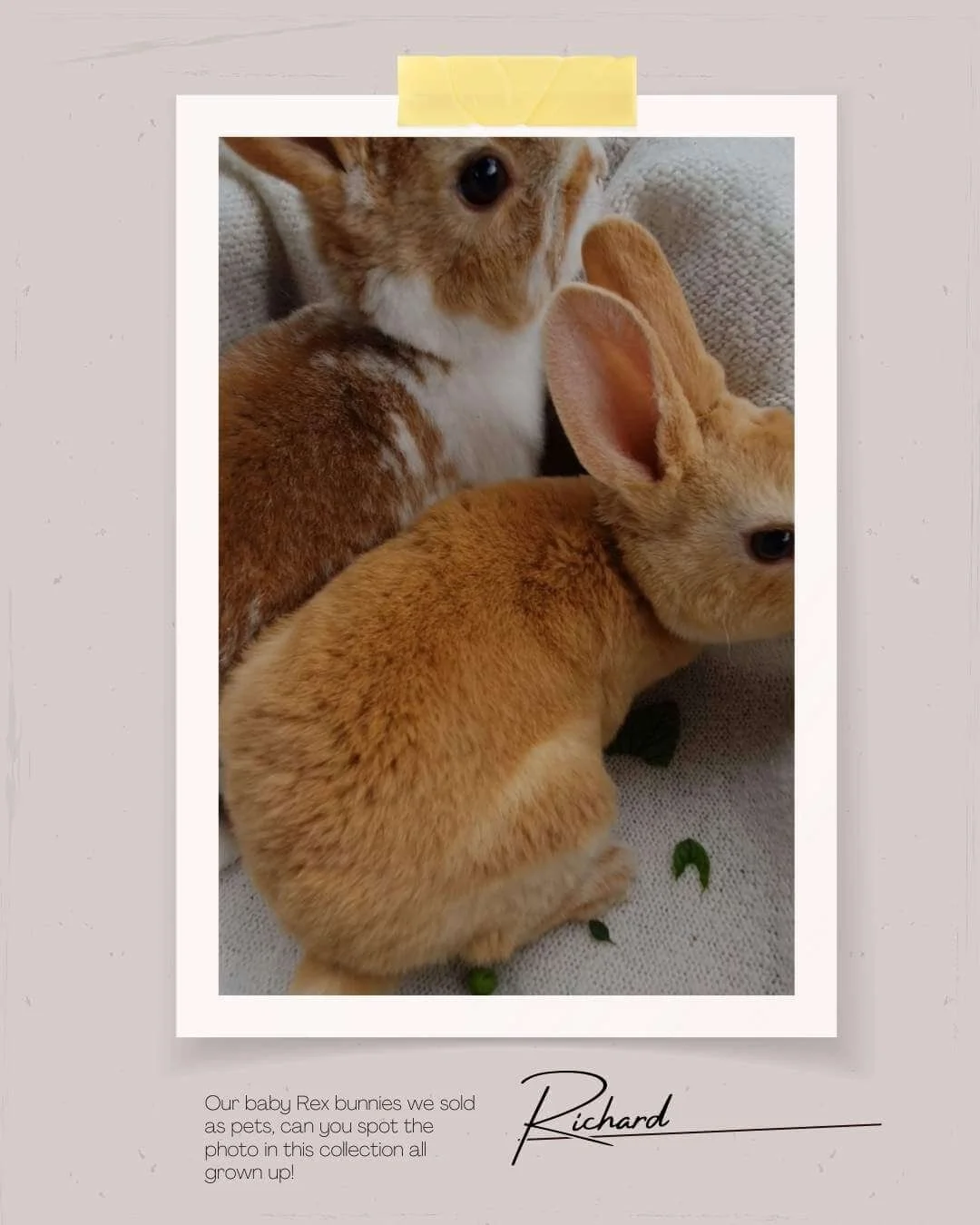
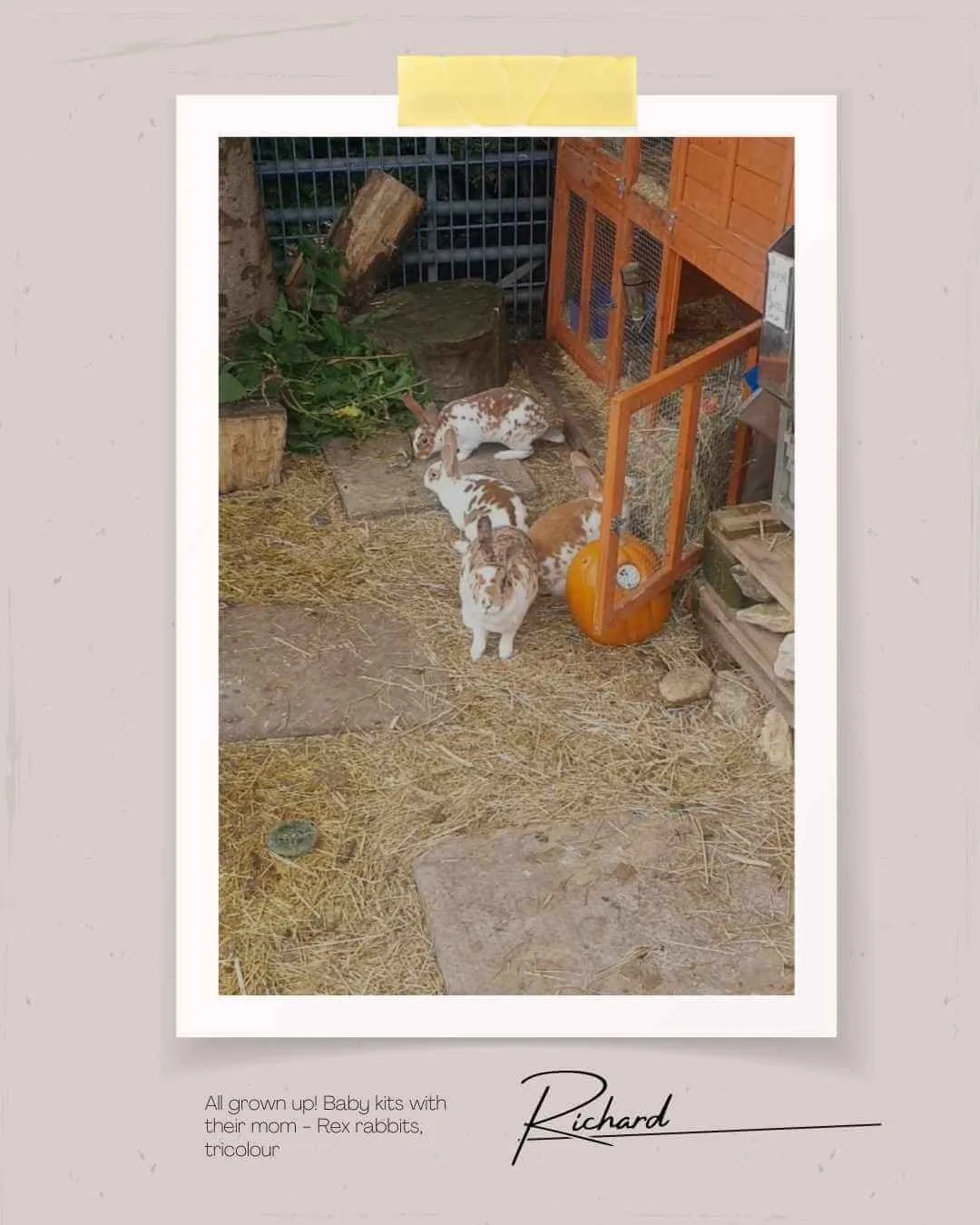
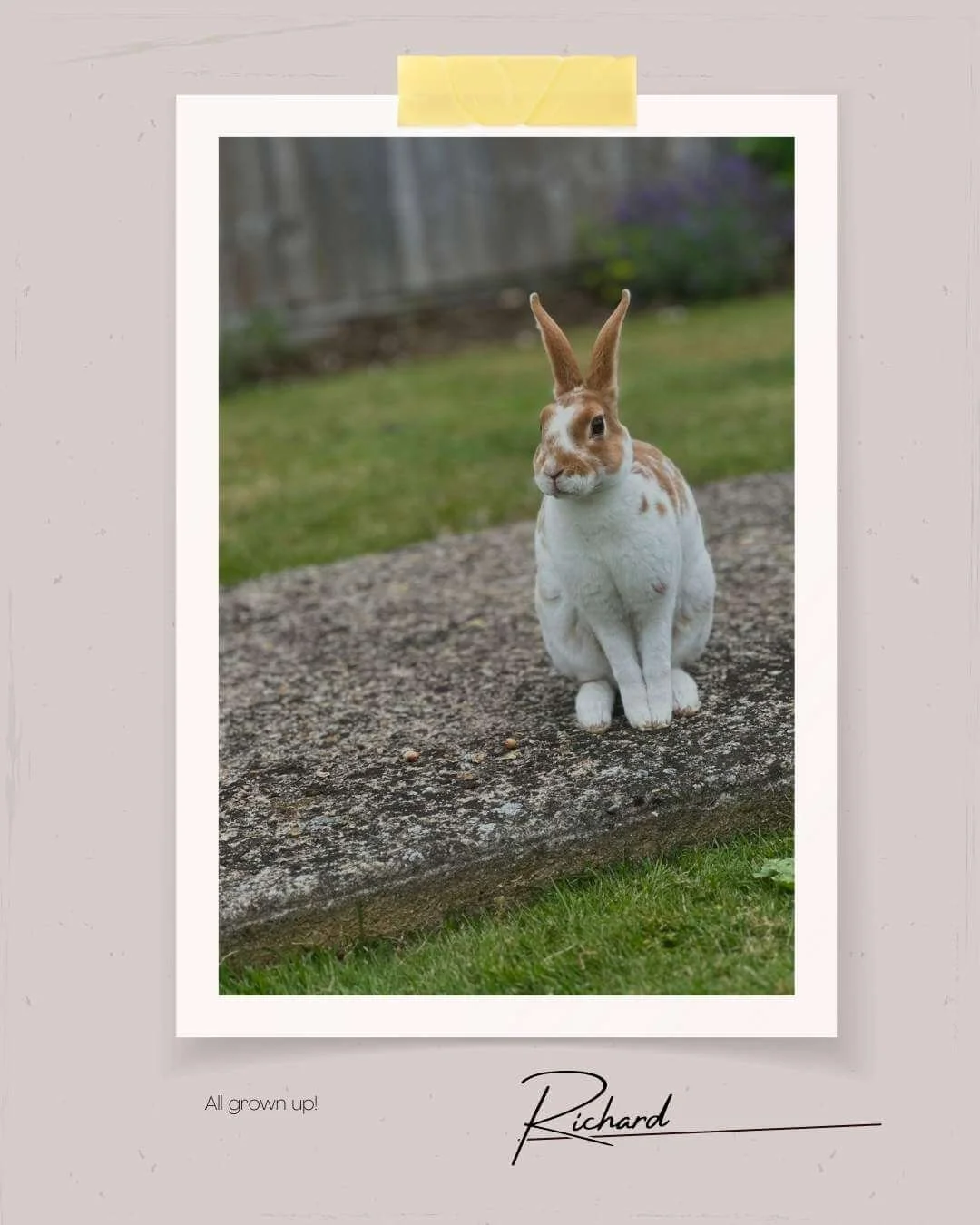
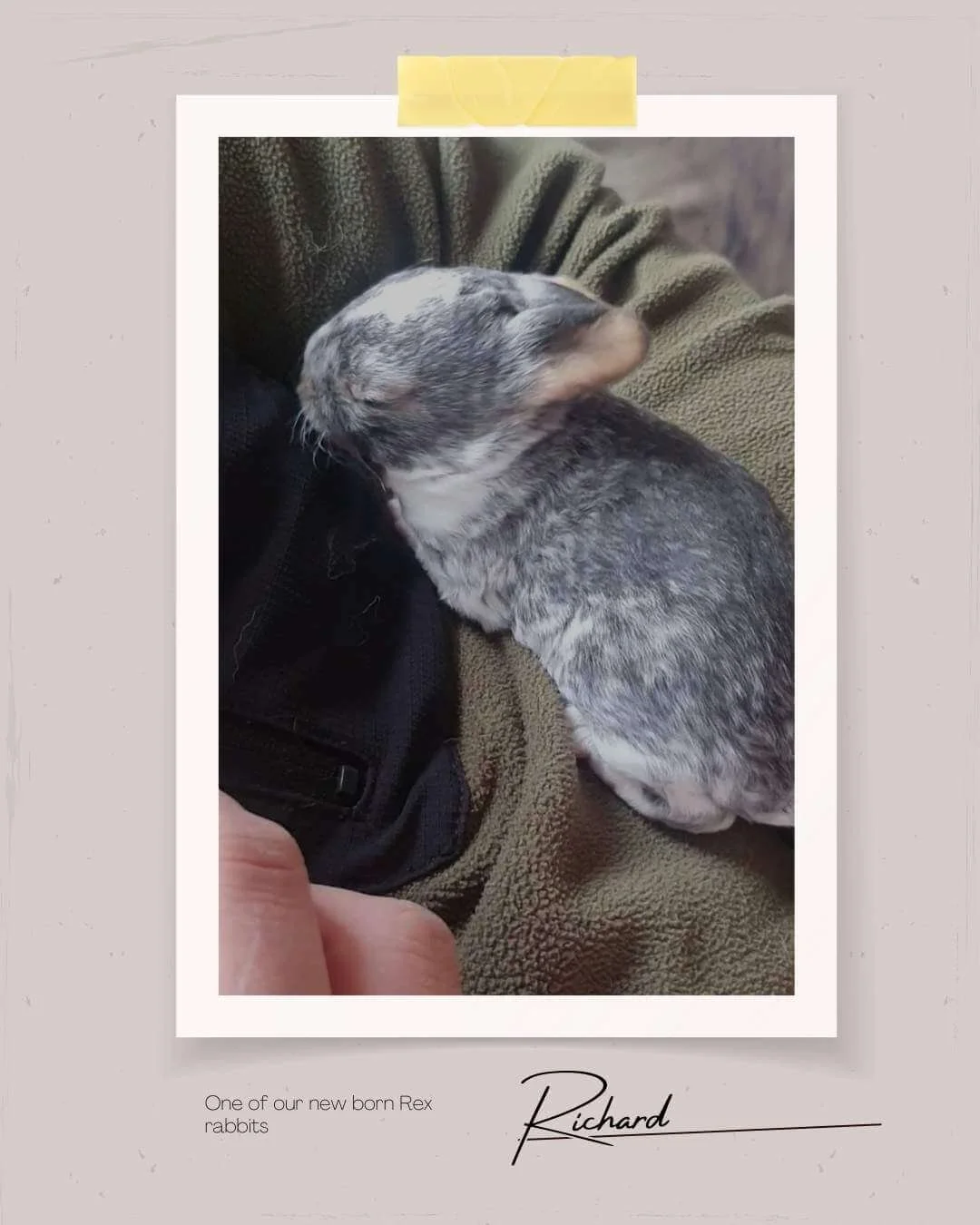
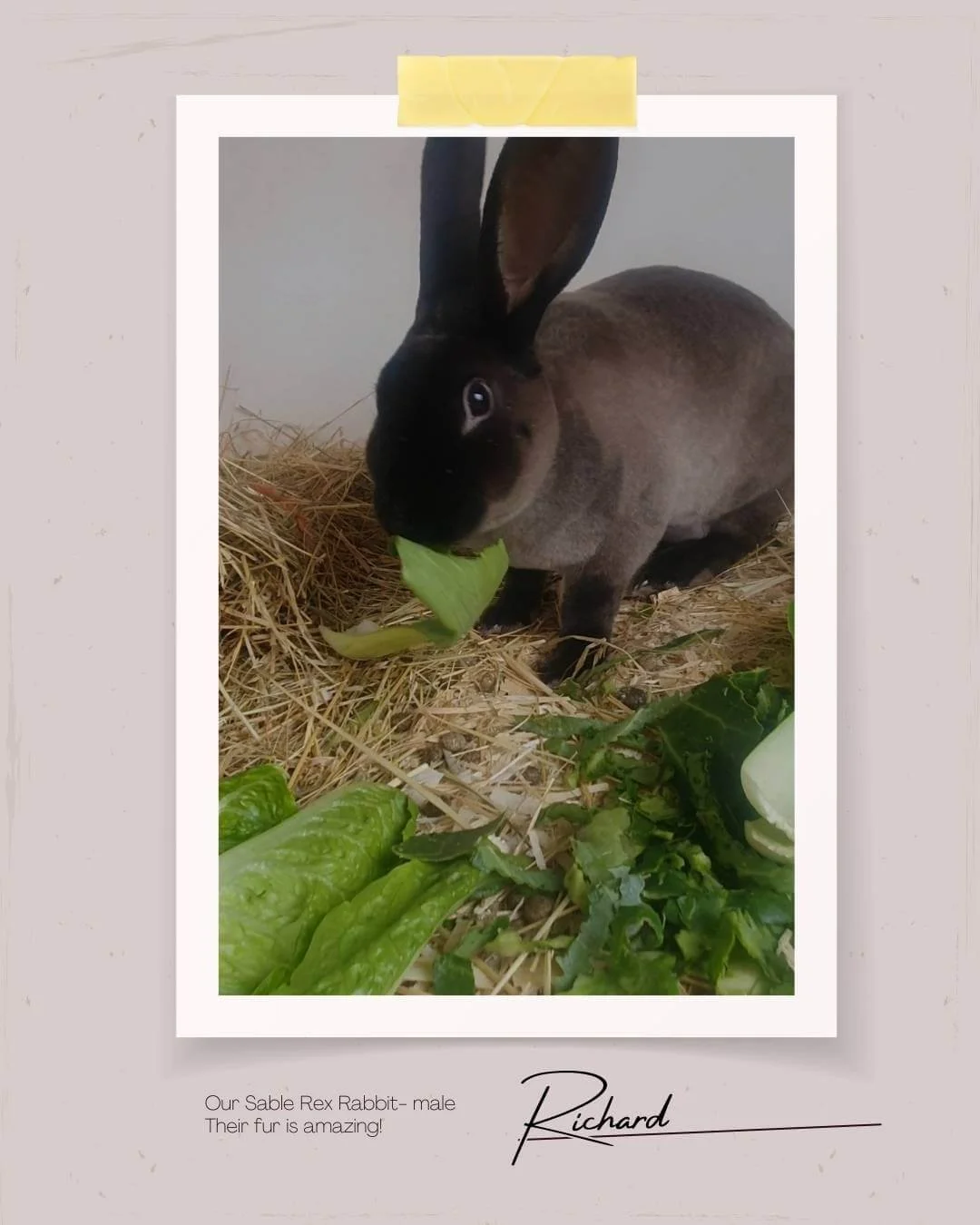
We’ve also kept and bred meat rabbits, specifically Rex rabbits, which are well suited to small-scale, self-sufficient setups.
Rabbits are often overlooked by new smallholders, but they can be:
quiet and unobtrusive
efficient converters of feed
suitable for smaller spaces
relatively easy to manage once set up correctly
Like all livestock, rabbits require proper housing, hygiene, and routine care. Clean accommodation, protection from the weather, and regular checks are essential to keep them healthy.
For people looking to produce their own meat on a very small scale, rabbits can be a practical option — but they still deserve the same thoughtful, welfare-led approach as any other animal.
Ensure your rabbits are vaccinated, as it so easy for diseases to be spread to rabbits.
Ducks: Muscovy Ducks for Meat and Practicality
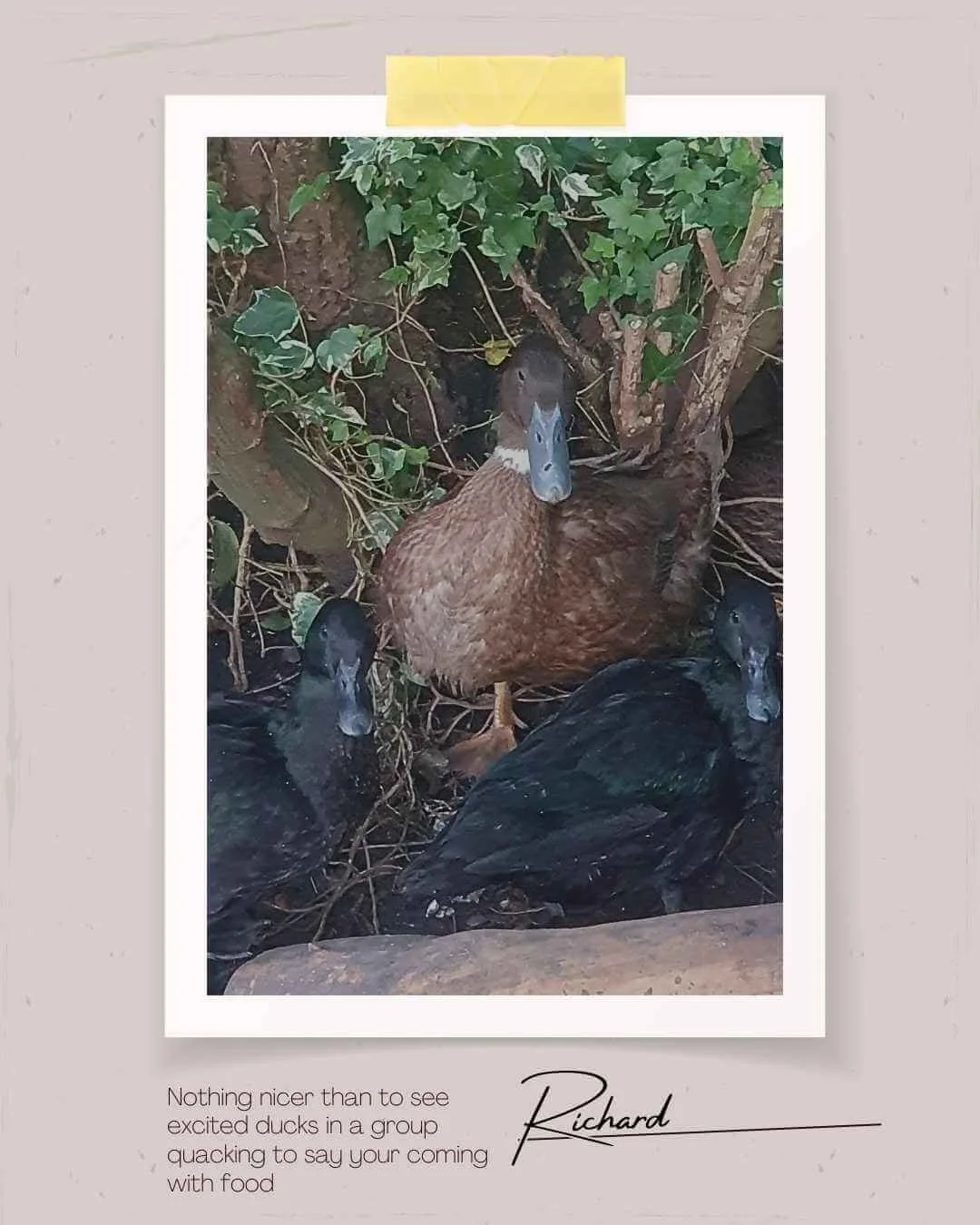
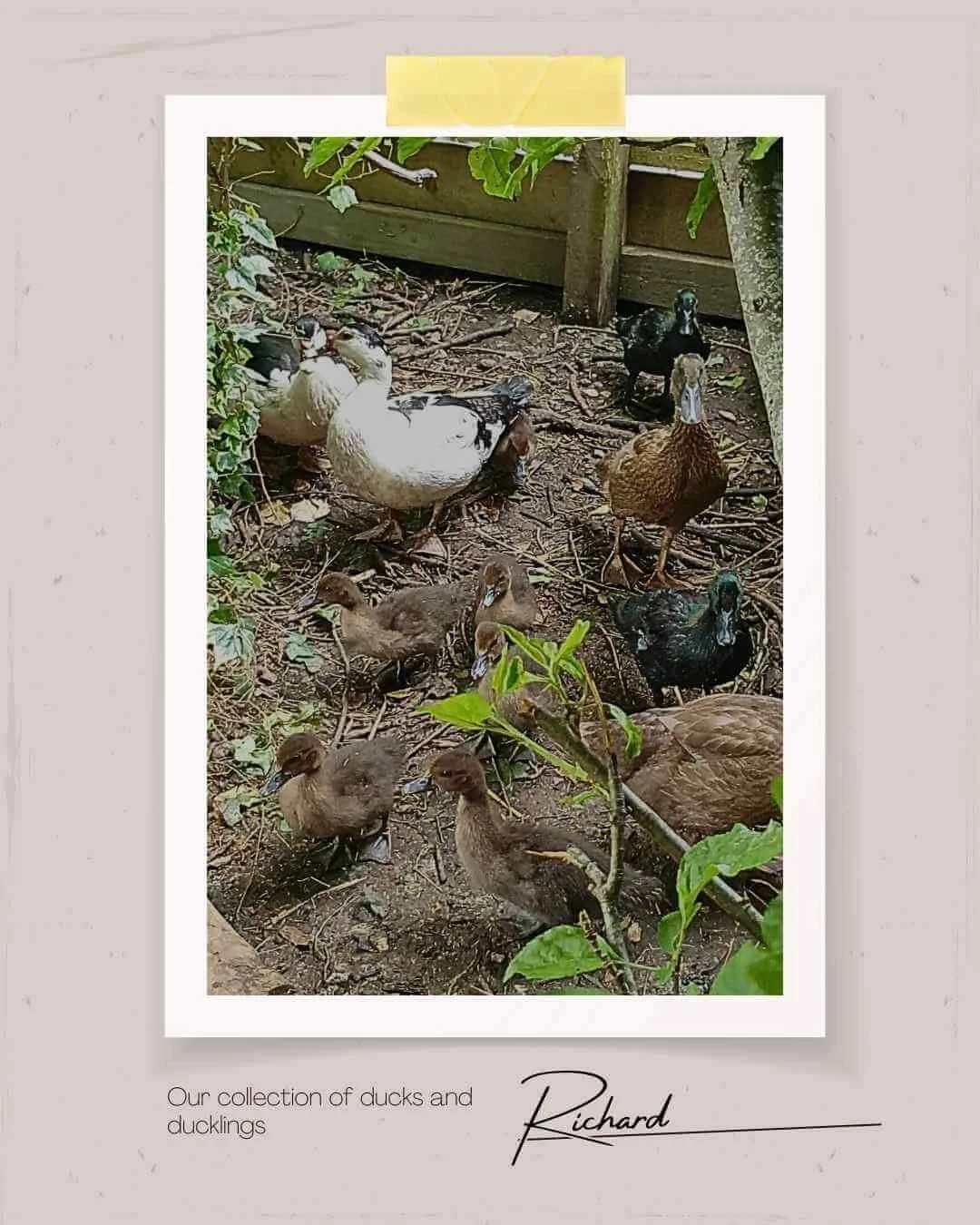
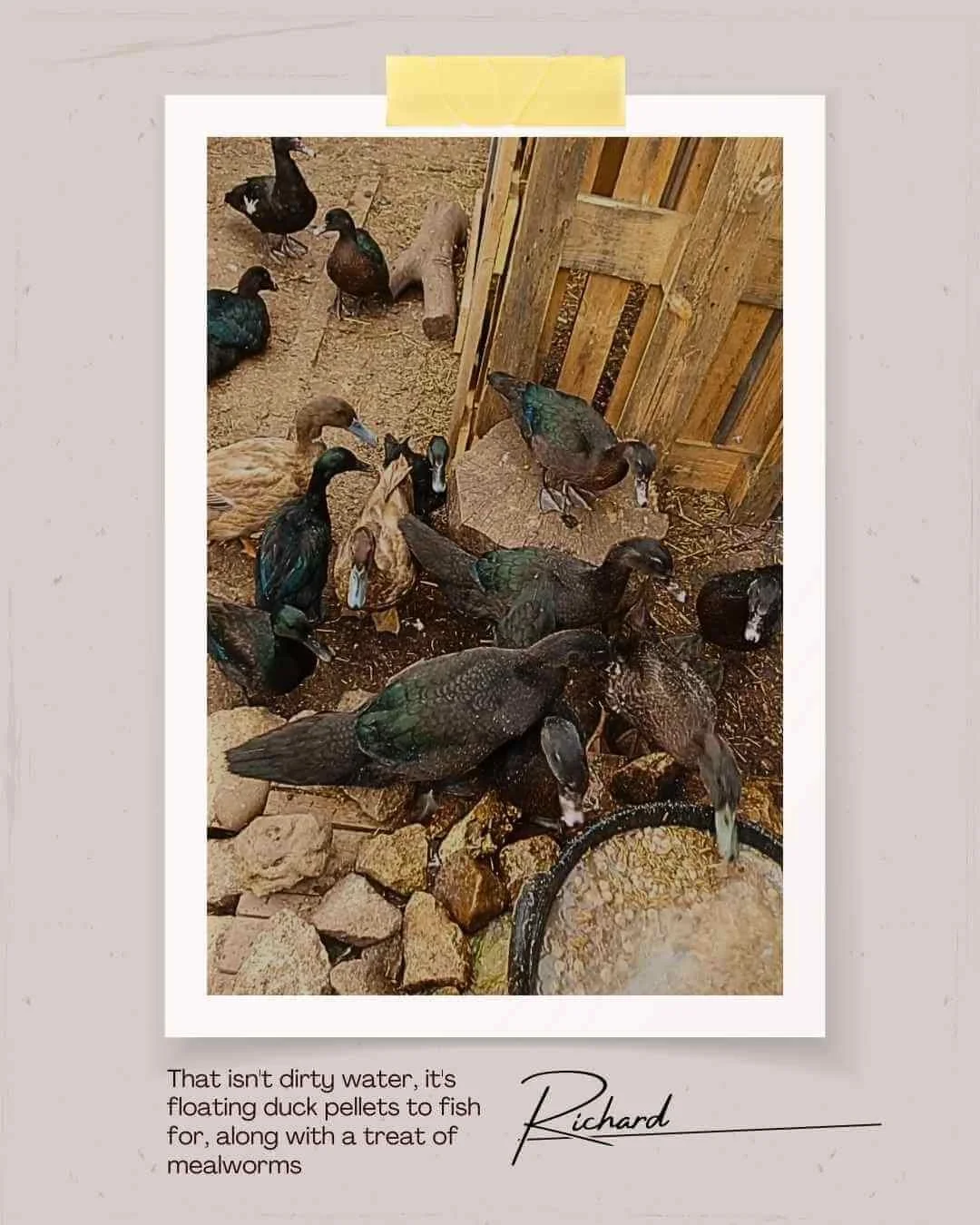
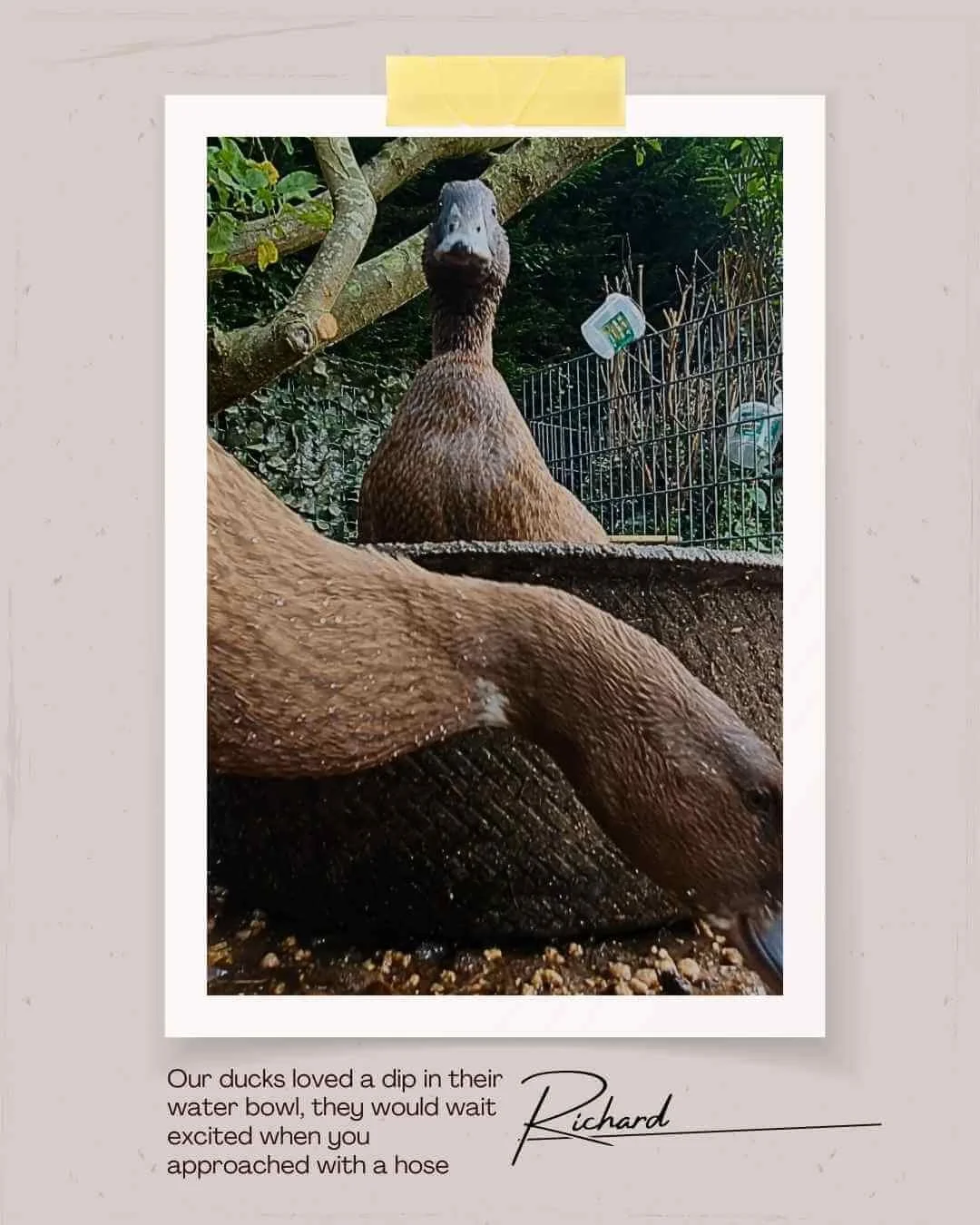
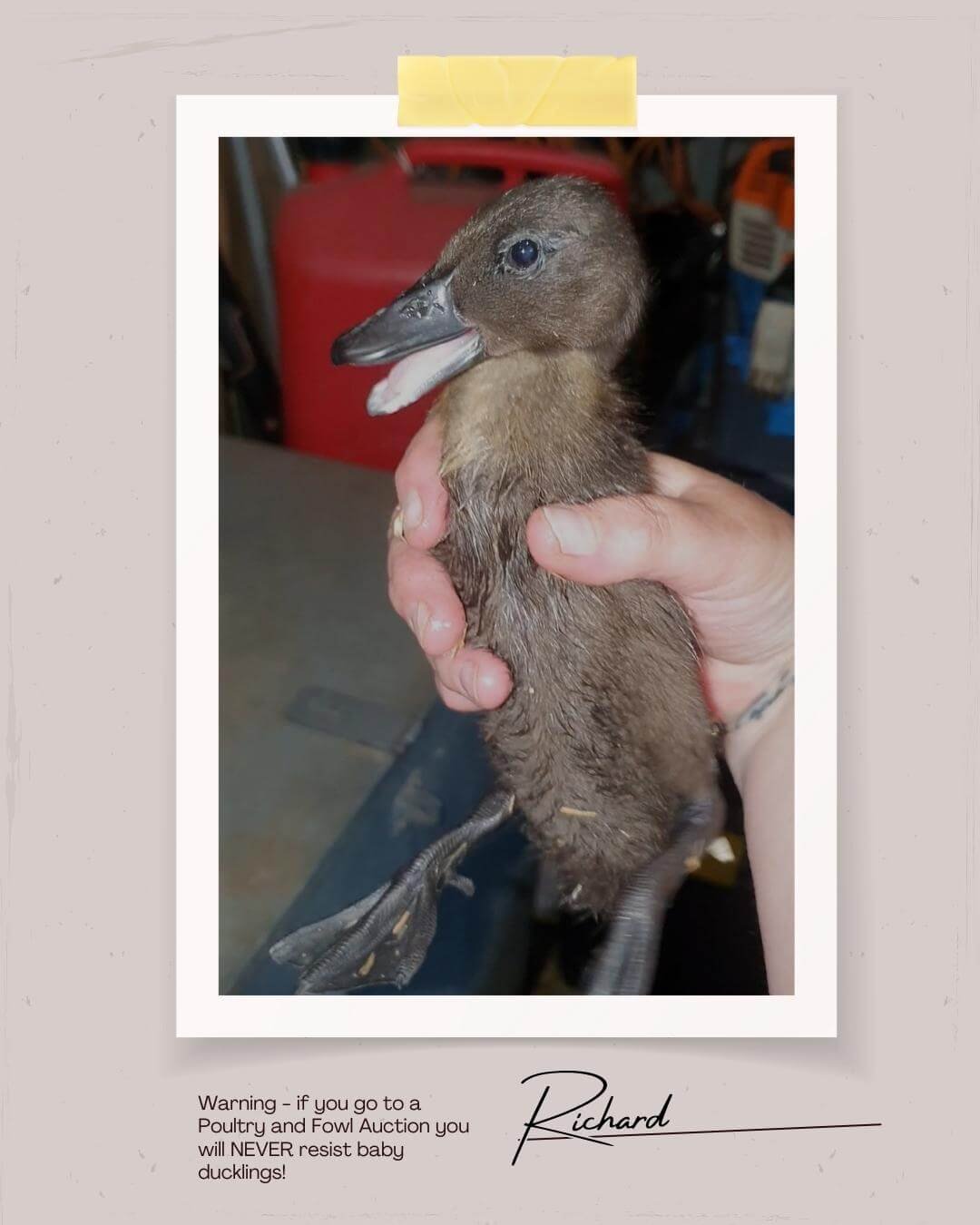
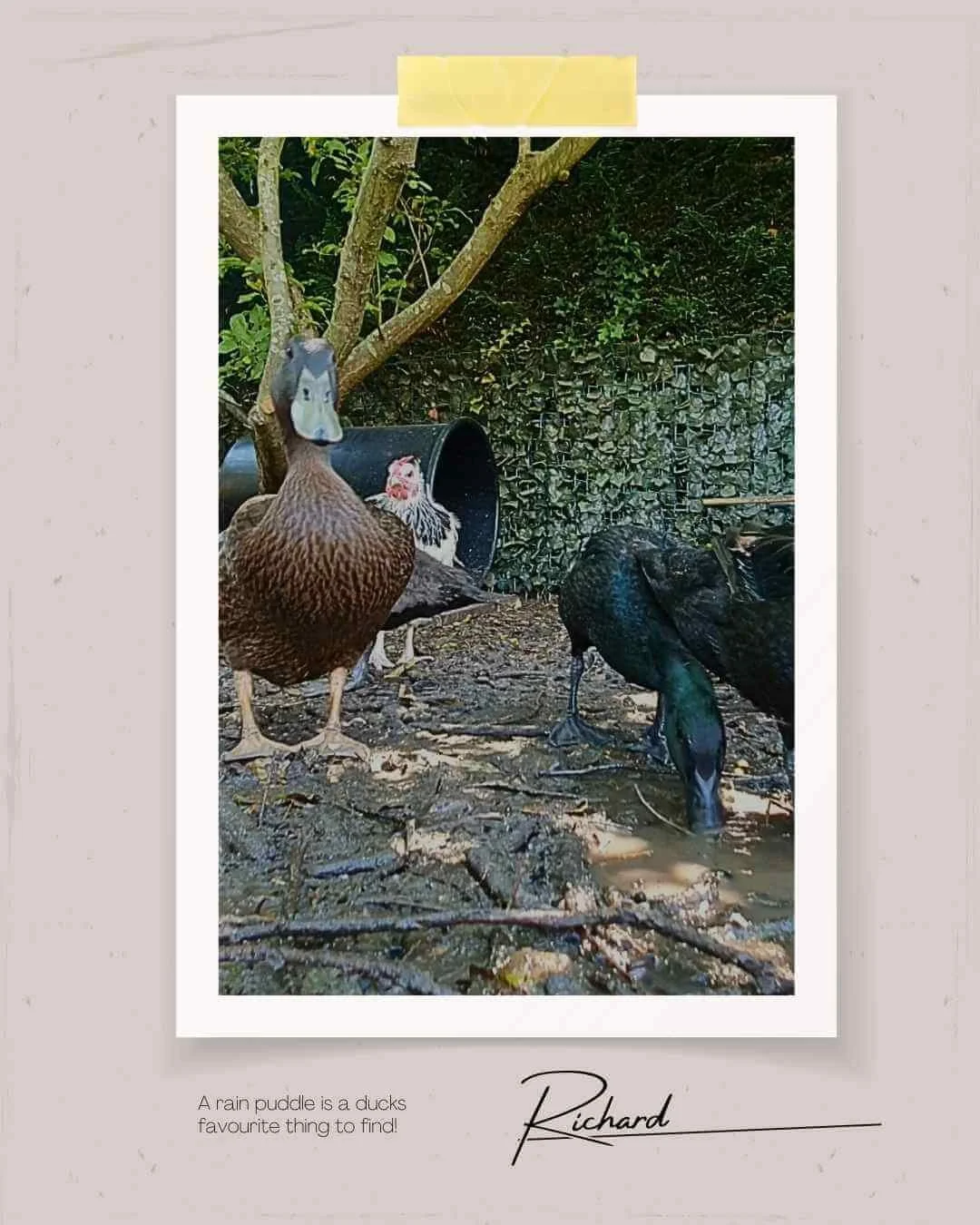
We’ve also kept Muscovy ducks, which are particularly well suited to smallholders interested in meat production. We also kept Runner Ducks, but mainly as pets, and as they looked so super cute as ducklings at the auction!
Muscovies differ from many other duck breeds:
they are quieter than most ducks
they forage well
they produce good-quality meat
they can be hardy when managed properly
That said, ducks do need planning. Access to clean water, dry shelter, and good hygiene is important, particularly to prevent health issues. Like chickens, numbers matter — too many birds can quickly lead to muddy ground and higher maintenance.
For smallholders who enjoy poultry but want an alternative to chickens, ducks can be a rewarding option when their needs are fully understood.
Whether you choose livestock, poultry, or smaller animals, the same principles apply: realistic numbers, good housing, calm handling, and planning ahead.
The Cats (Who Definitely Run the Place)
No smallholding story would be complete without cats — and ours are very much characters in their own right.
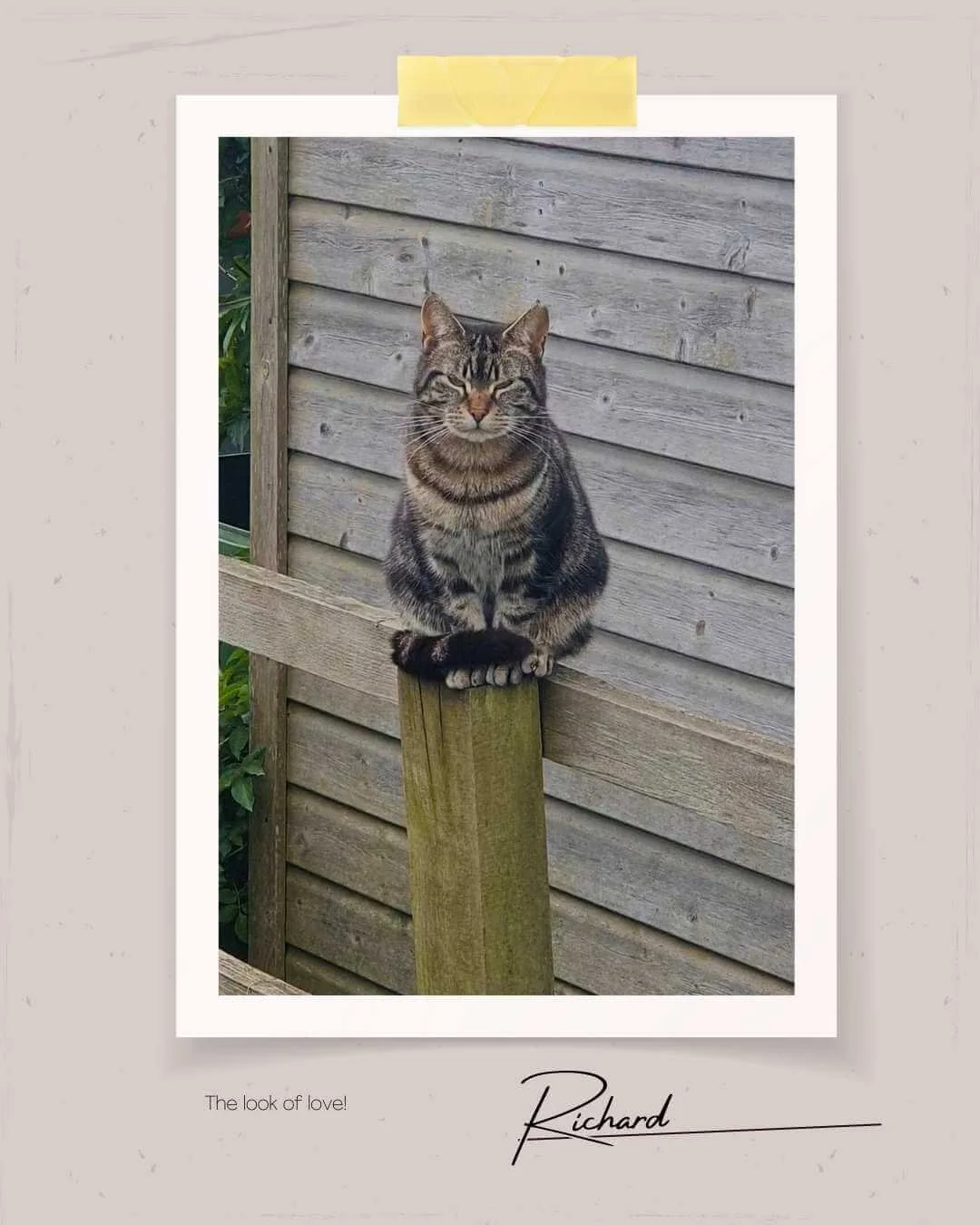
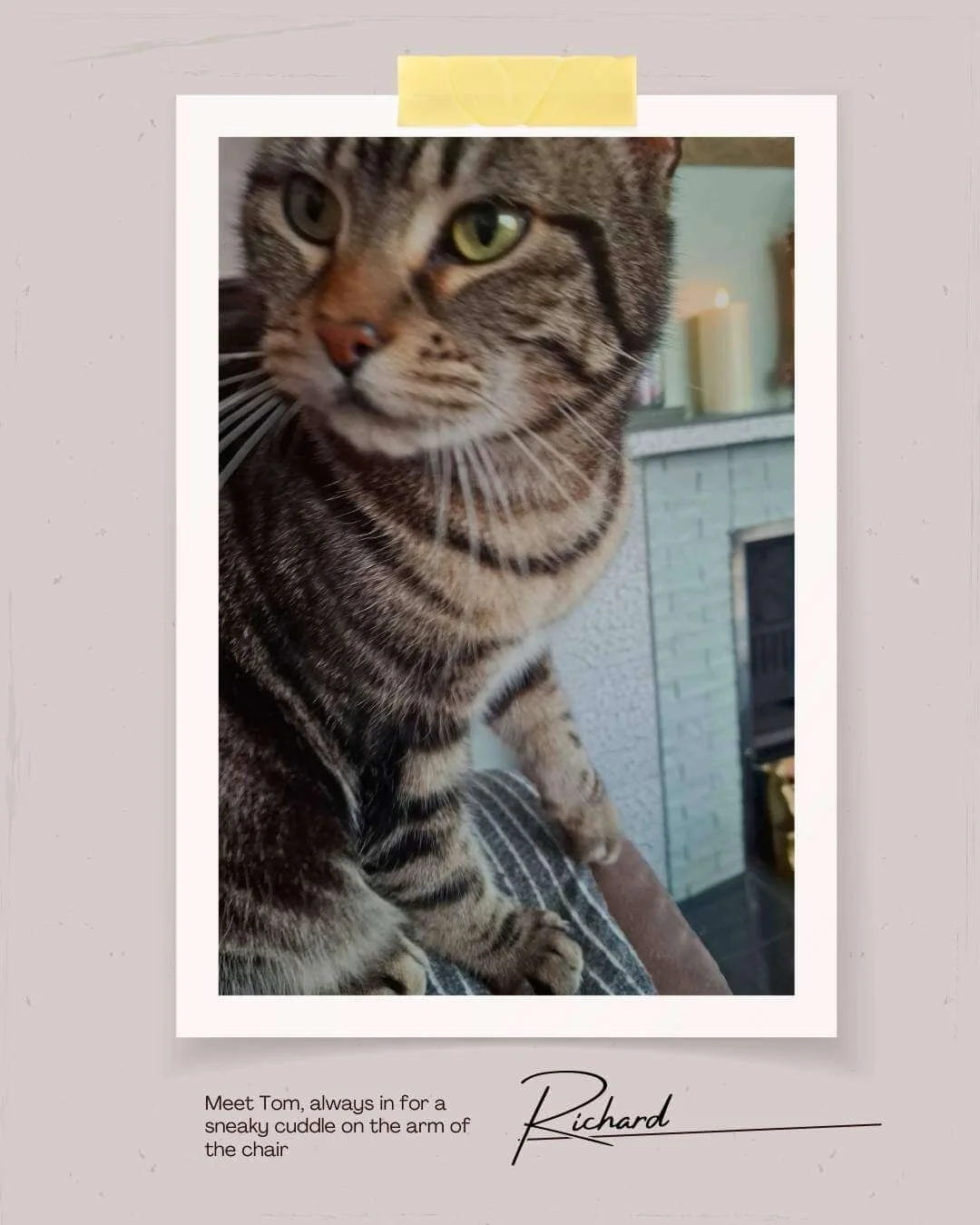
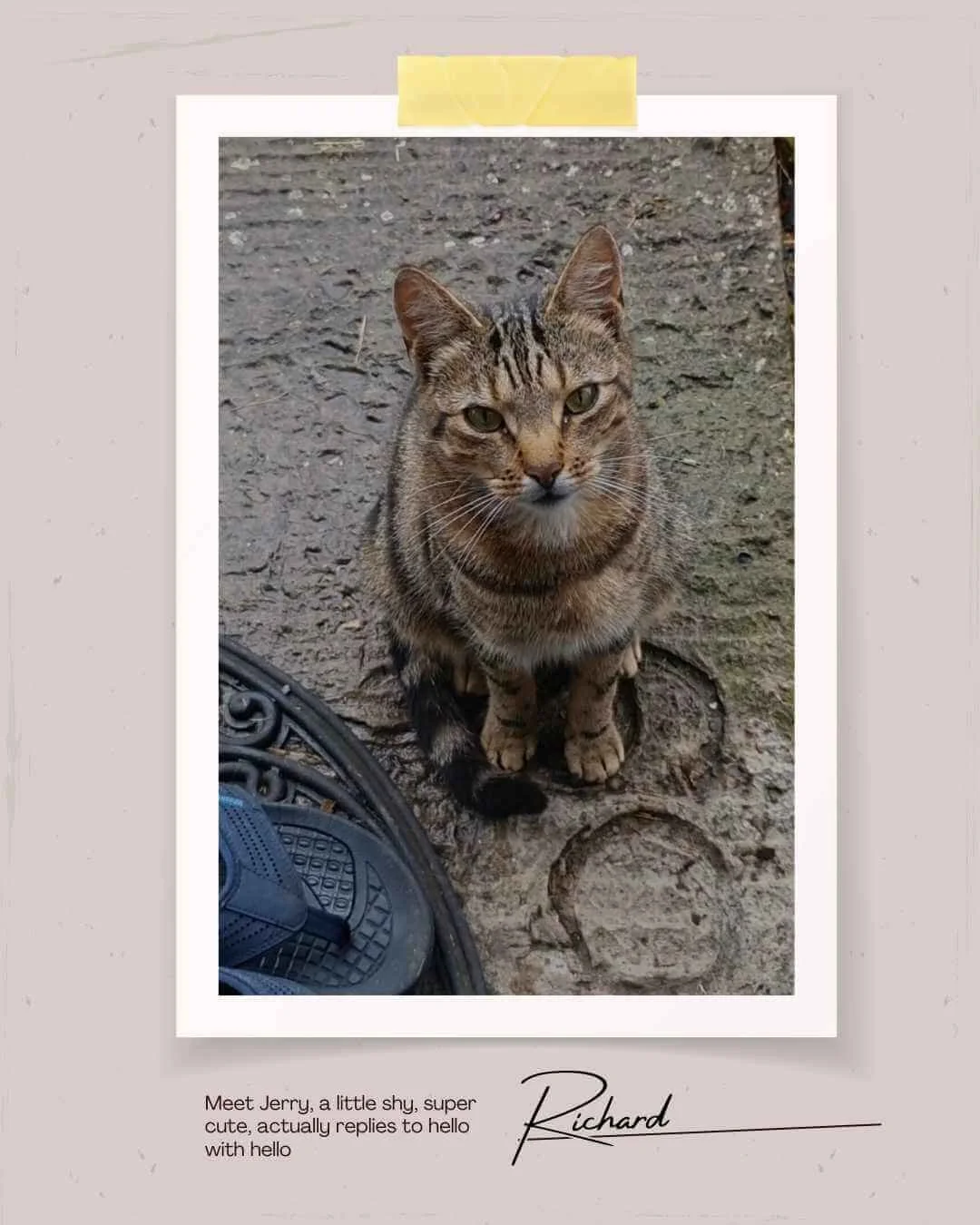
Tom and Jerry, better known as Tomtom and Jojo, are tabby cats originally adopted by a neighbouring farm to live outdoors and help keep the rat population down. In theory, that was their job.
In reality, they decided we were their people.
They now knock on our door daily — quite literally — to be let in for dinner. Occasionally they’ll pop inside for a cuddle, but only if the door is left open so they can make a quick escape if needed. Independence is non-negotiable.
That said, Tomtom has proven his credentials when it matters. On one memorable occasion, when a mouse was running around the house, he flew in, caught it, and ate it on the spot — job done, no fuss.
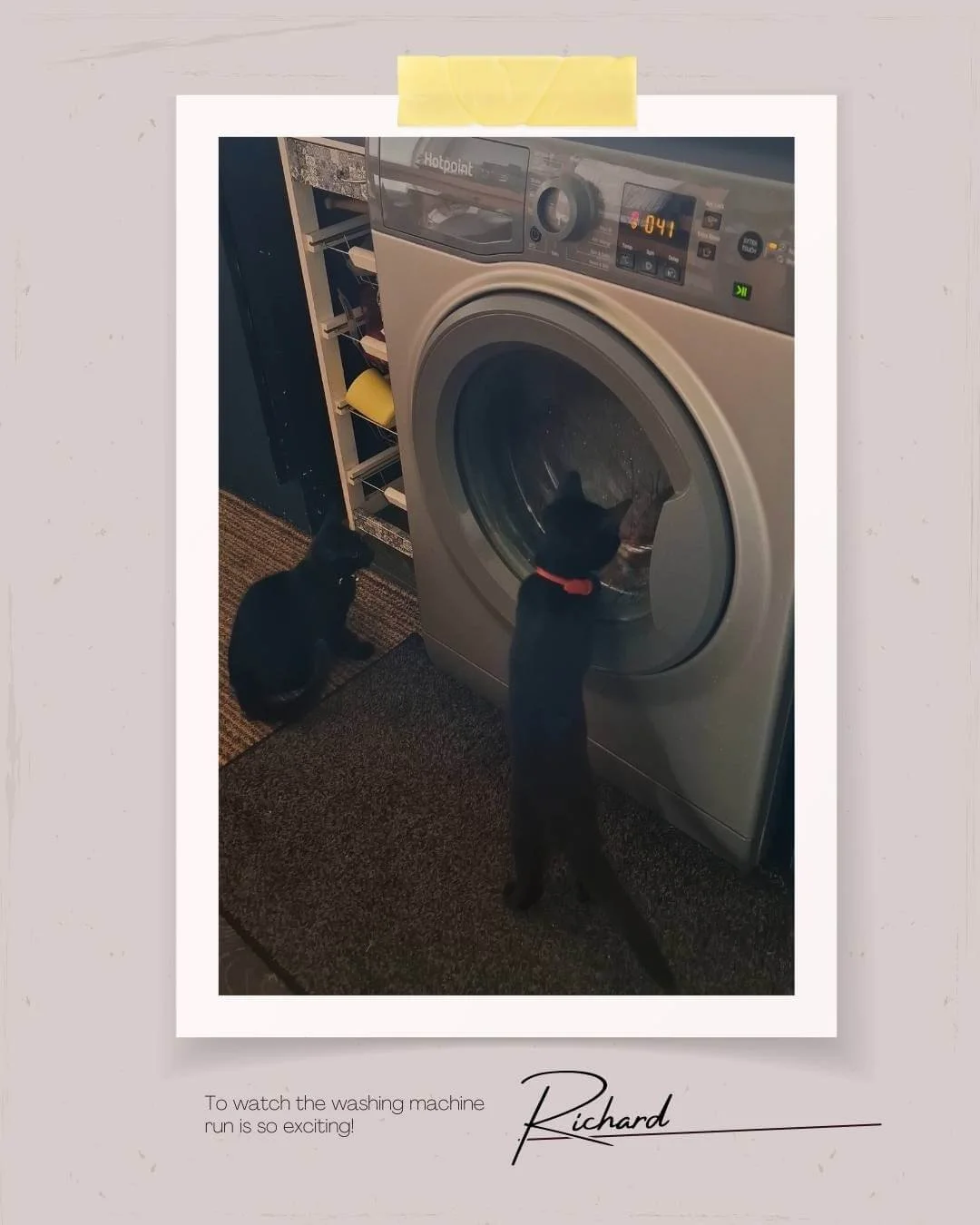
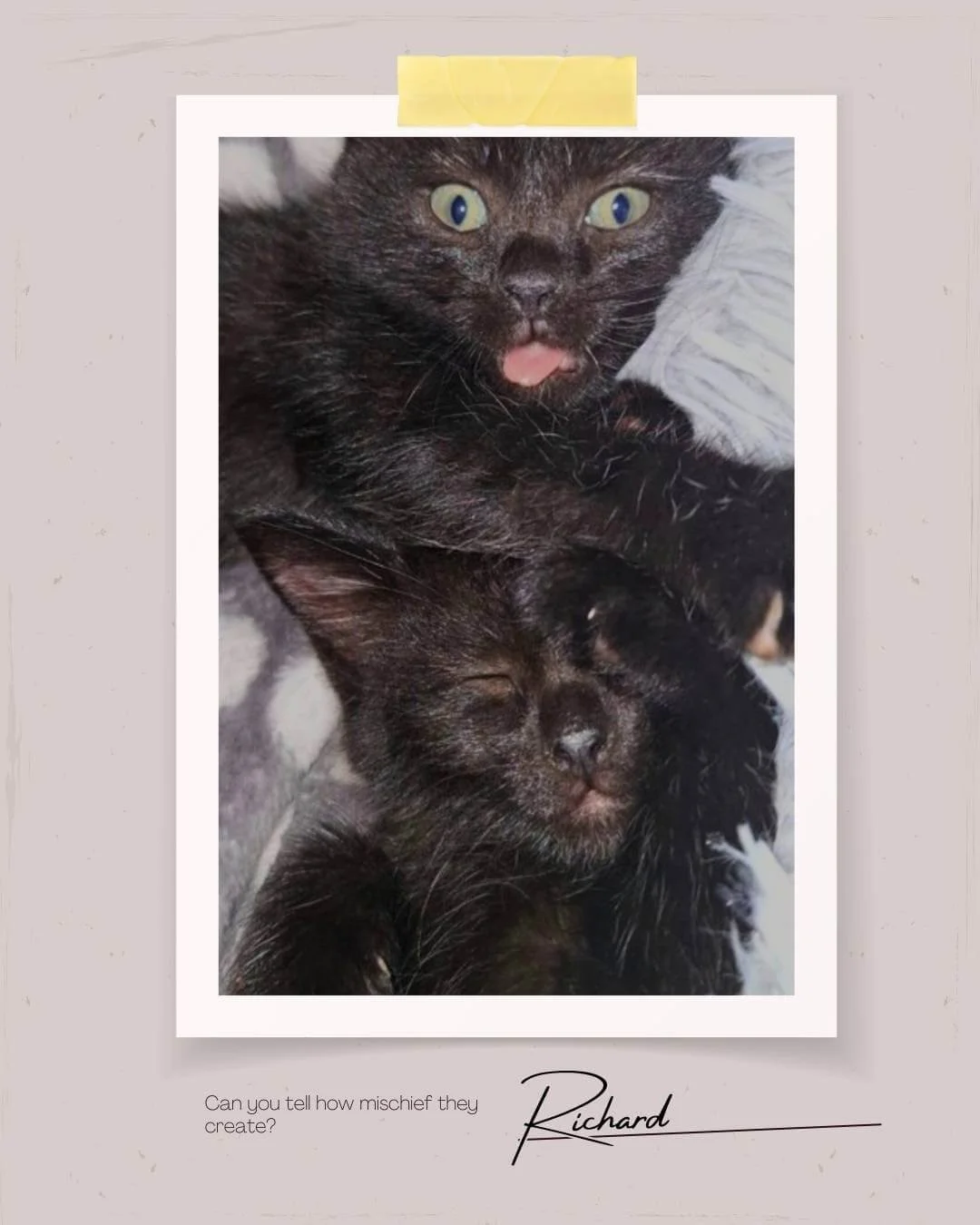
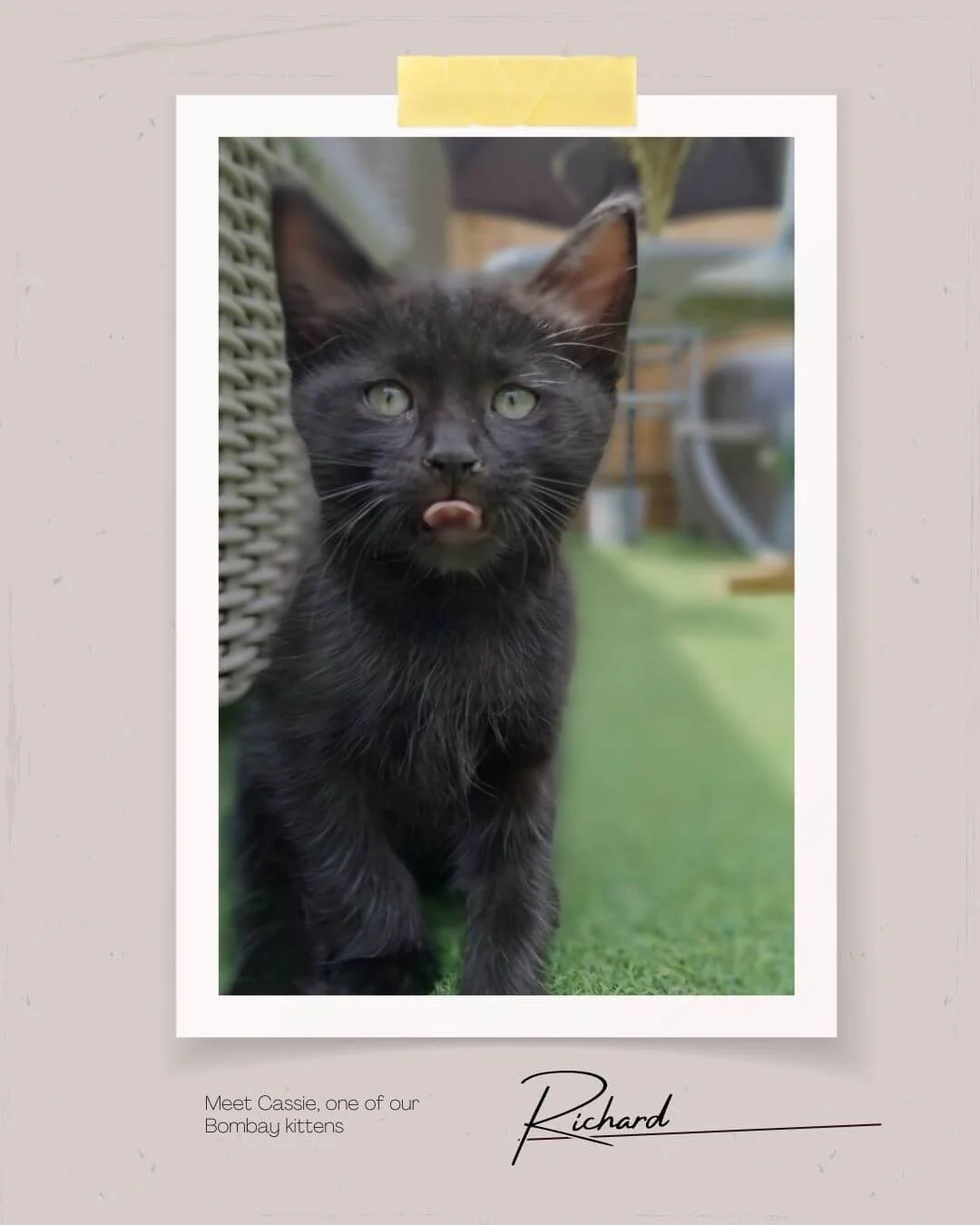
Joining them more recently are our house cats, Cassie and Rosie, both Bombay cats, now around six months old. They spend most of the day lounging indoors, conserving energy… until about 10pm, when their nightly party begins and the house comes alive.
Between them all, they remind us that animals don’t always follow the roles we imagine for them — and that smallholding life is as much about adapting to personalities as it is about planning systems.
The Dogs Who Share Our Smallholding Life
Like many smallholders, livestock aren’t the only animals who shape our daily routines. Our dogs are very much part of the rhythm of the smallholding too — each with their own role, personality, and quirks.
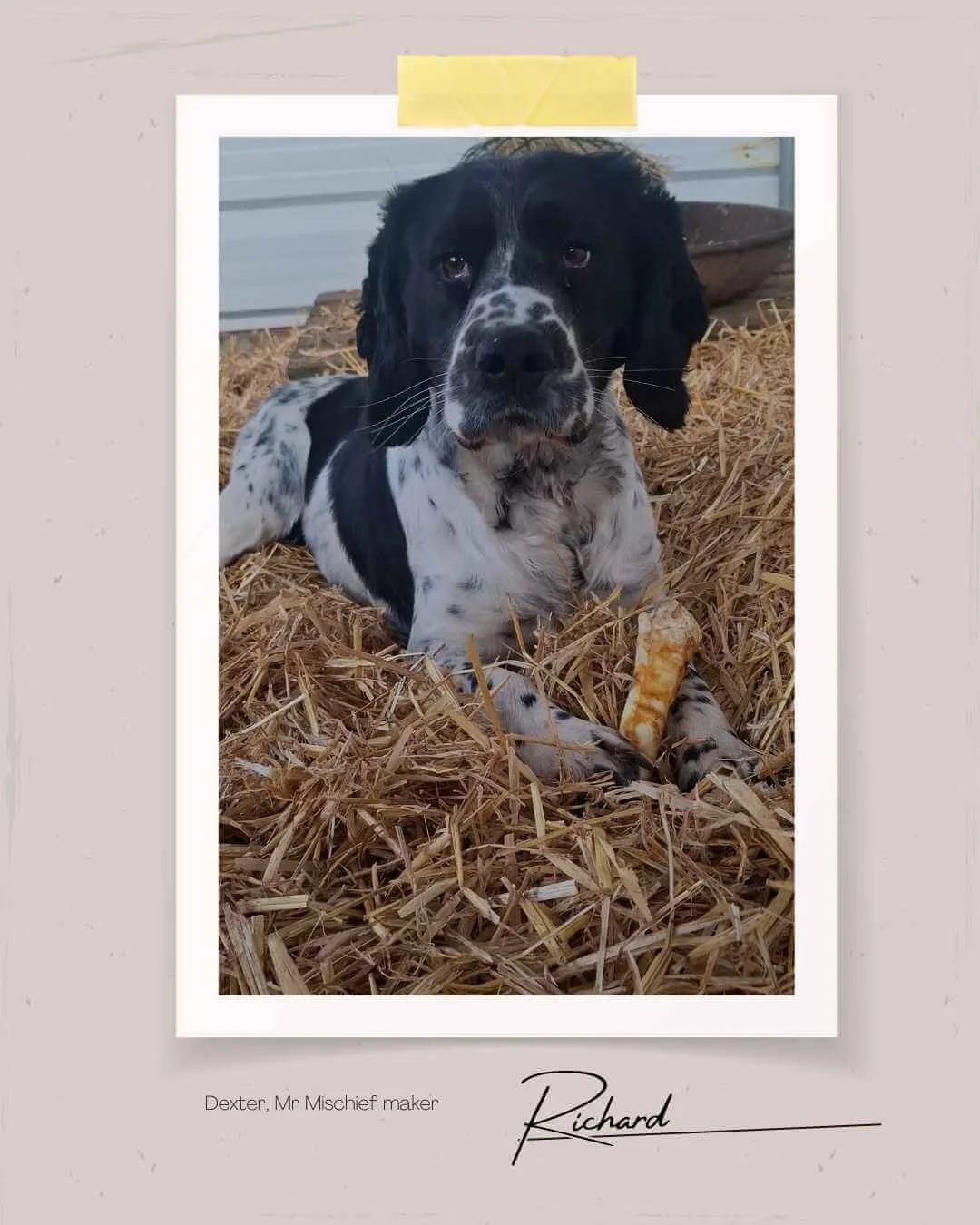
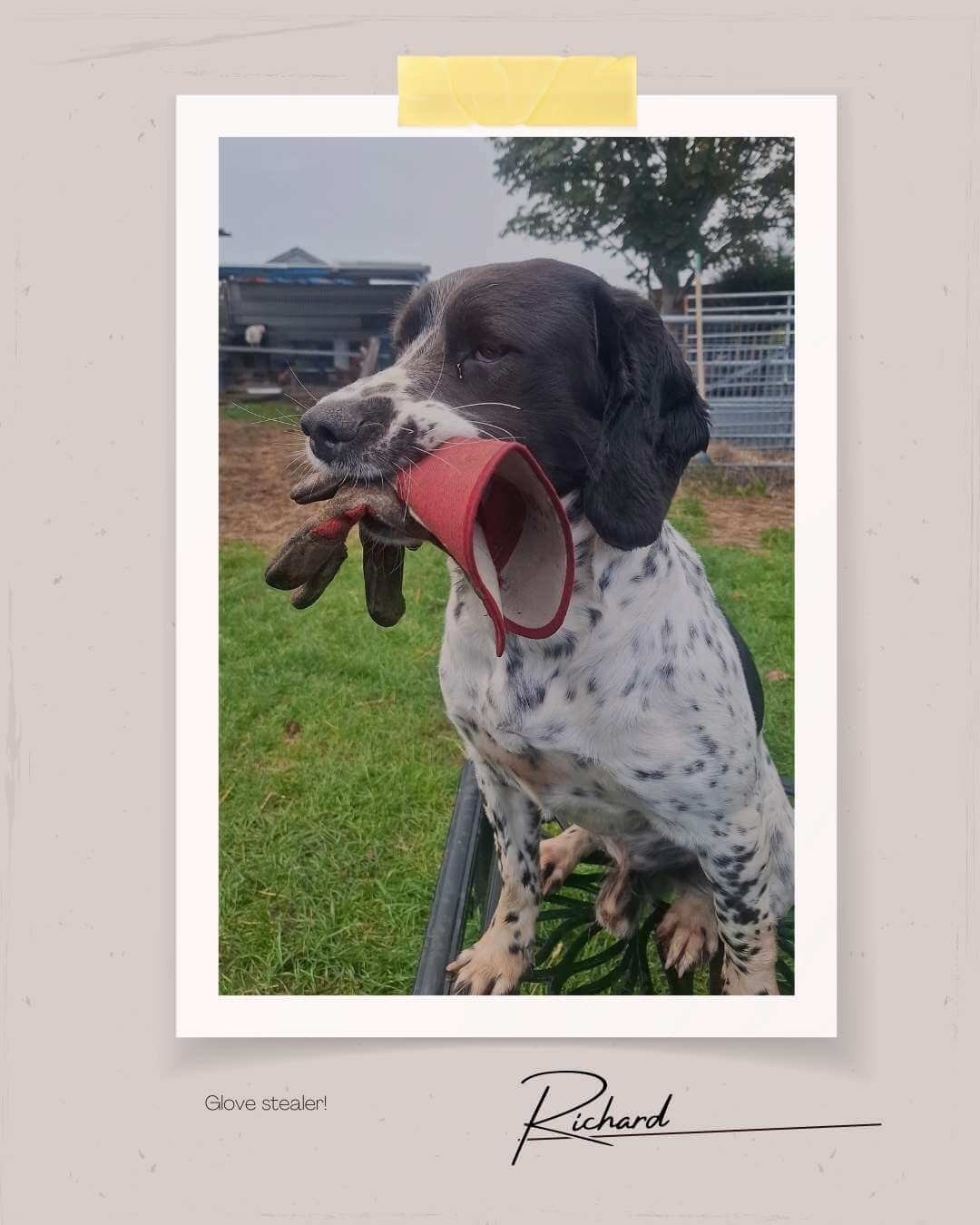
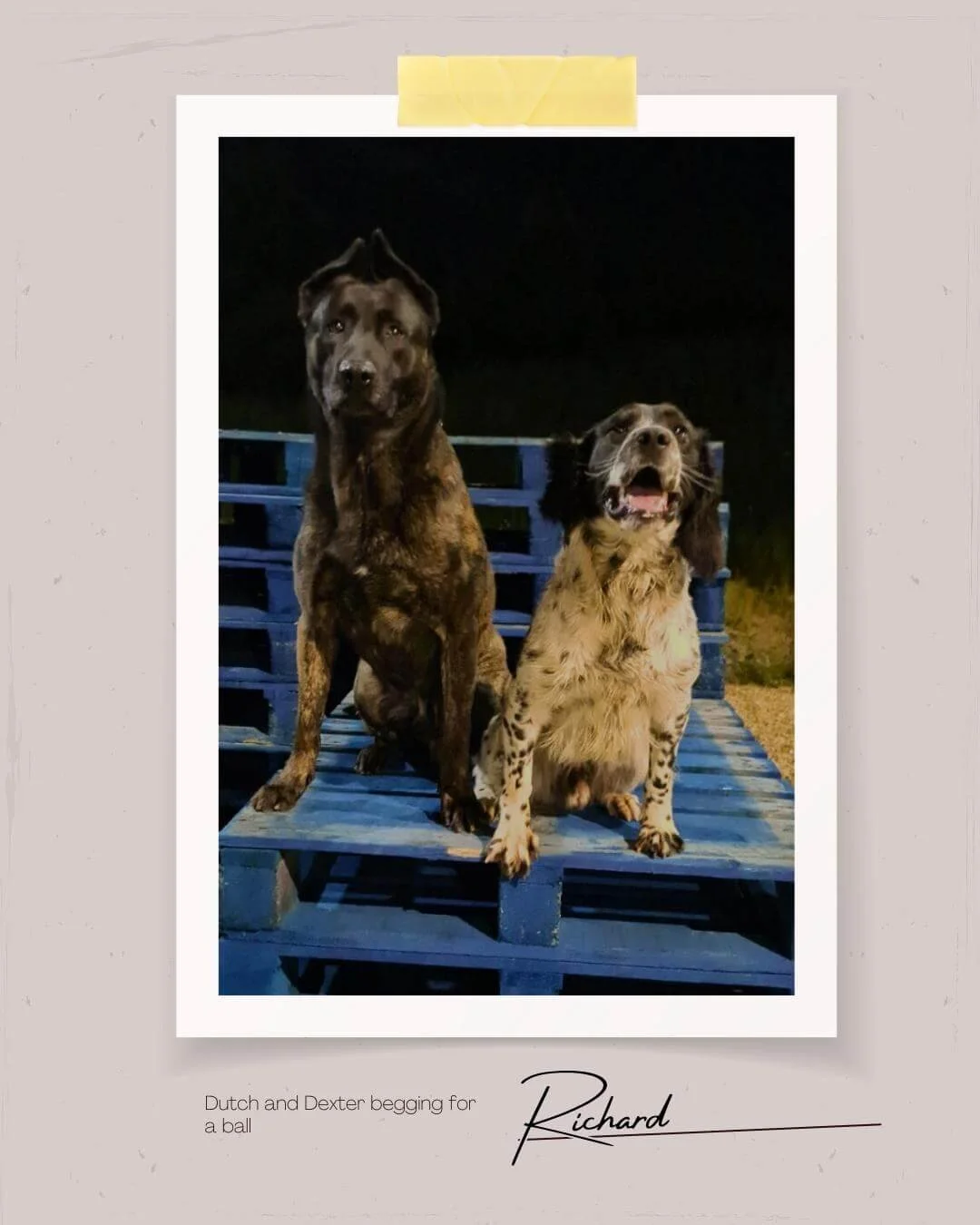
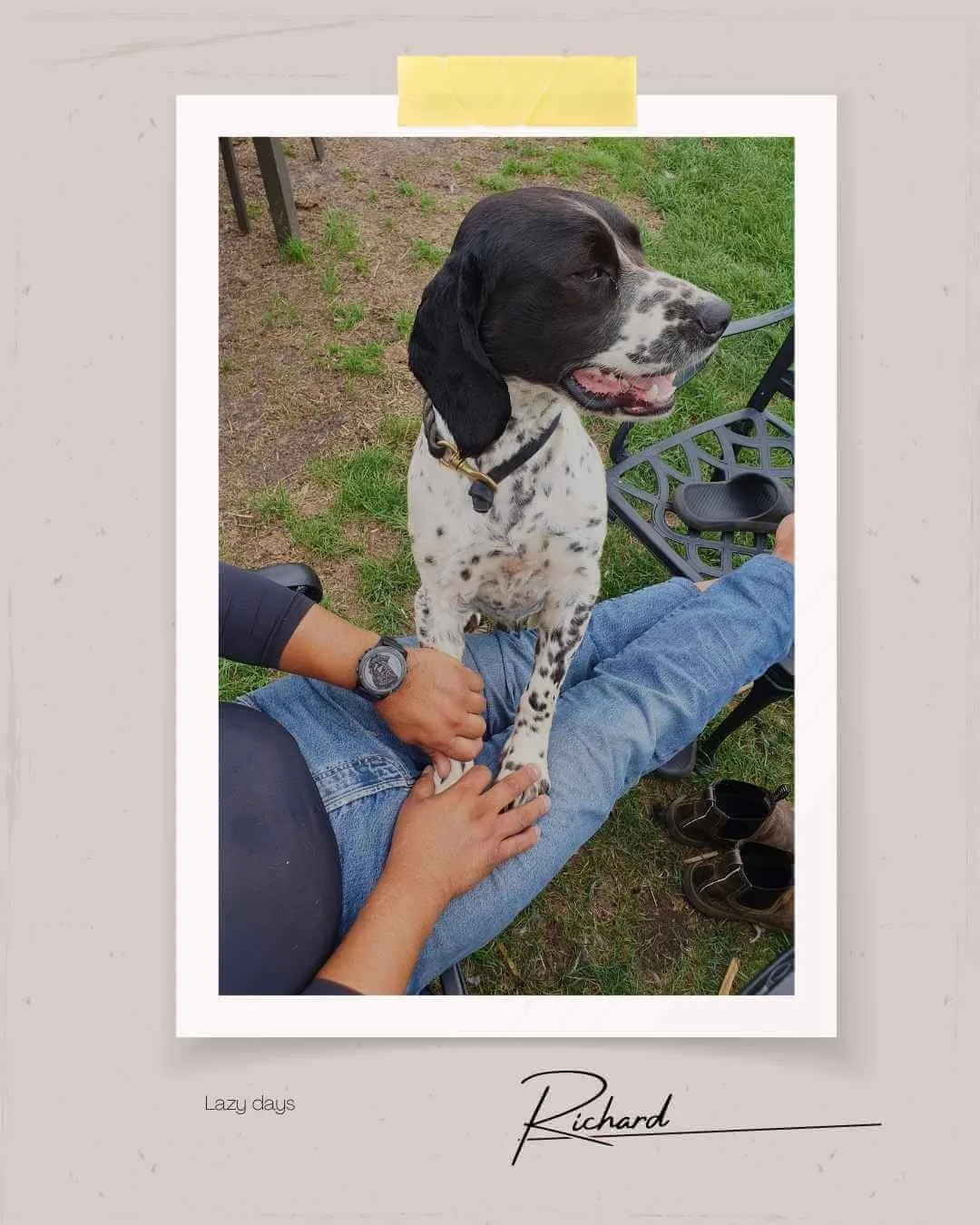
Dexter is our Springer Spaniel–Pointer cross and the undisputed source of mischief in the household. He’s endlessly curious, a collector of everything, and has a particular love for sheep horns or the occasional head if one appears. Dexter reminds us daily that smallholding life is rarely tidy, always entertaining, and full of unexpected moments.
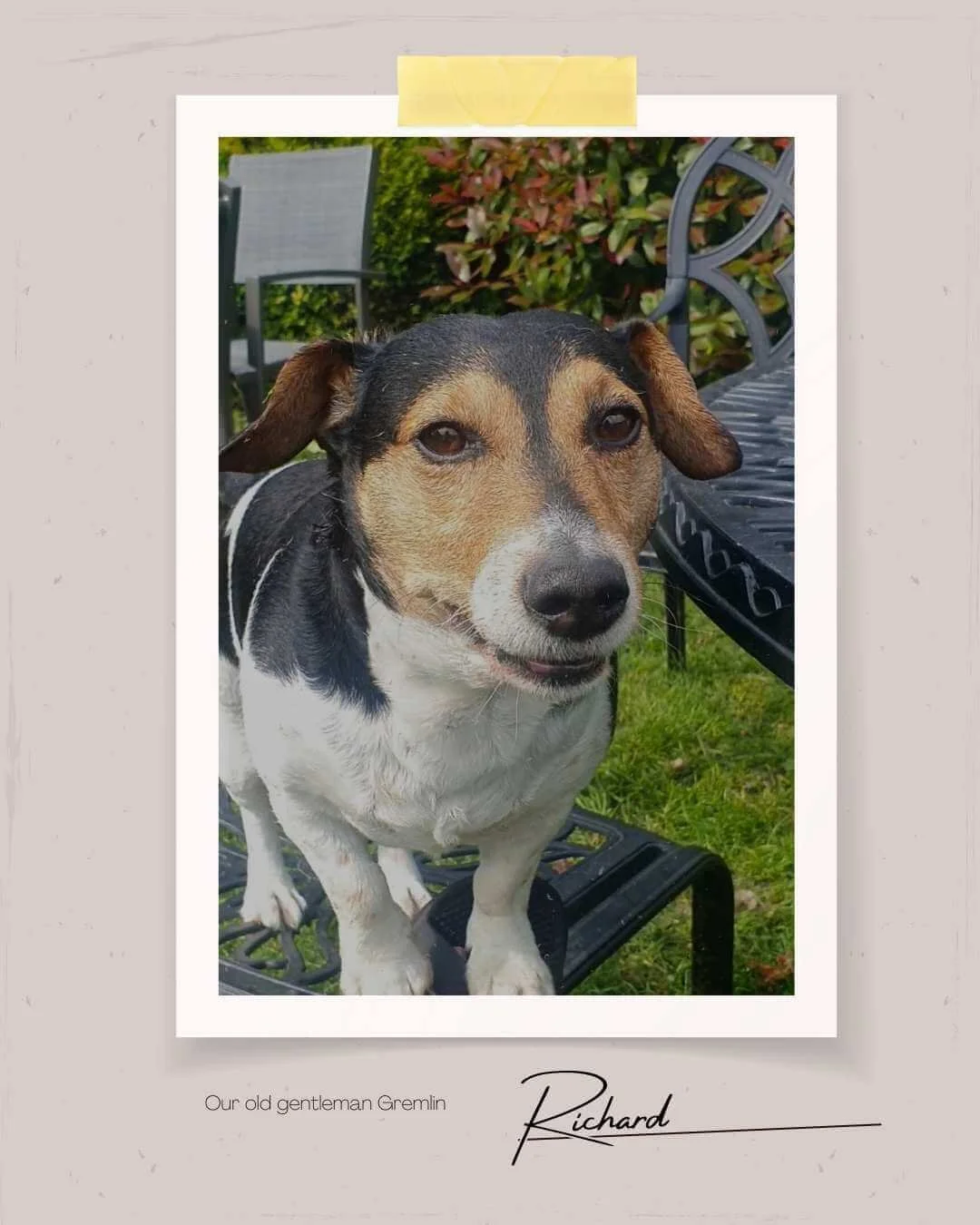
Gremlin is our older gentleman — a Jack Russell–Sausage Dog cross, now around nine years old. He’s quiet, gentle, and adored by the cats. Gremlin is happiest observing from a comfortable spot, and his calm presence brings balance to the busier energy around him.
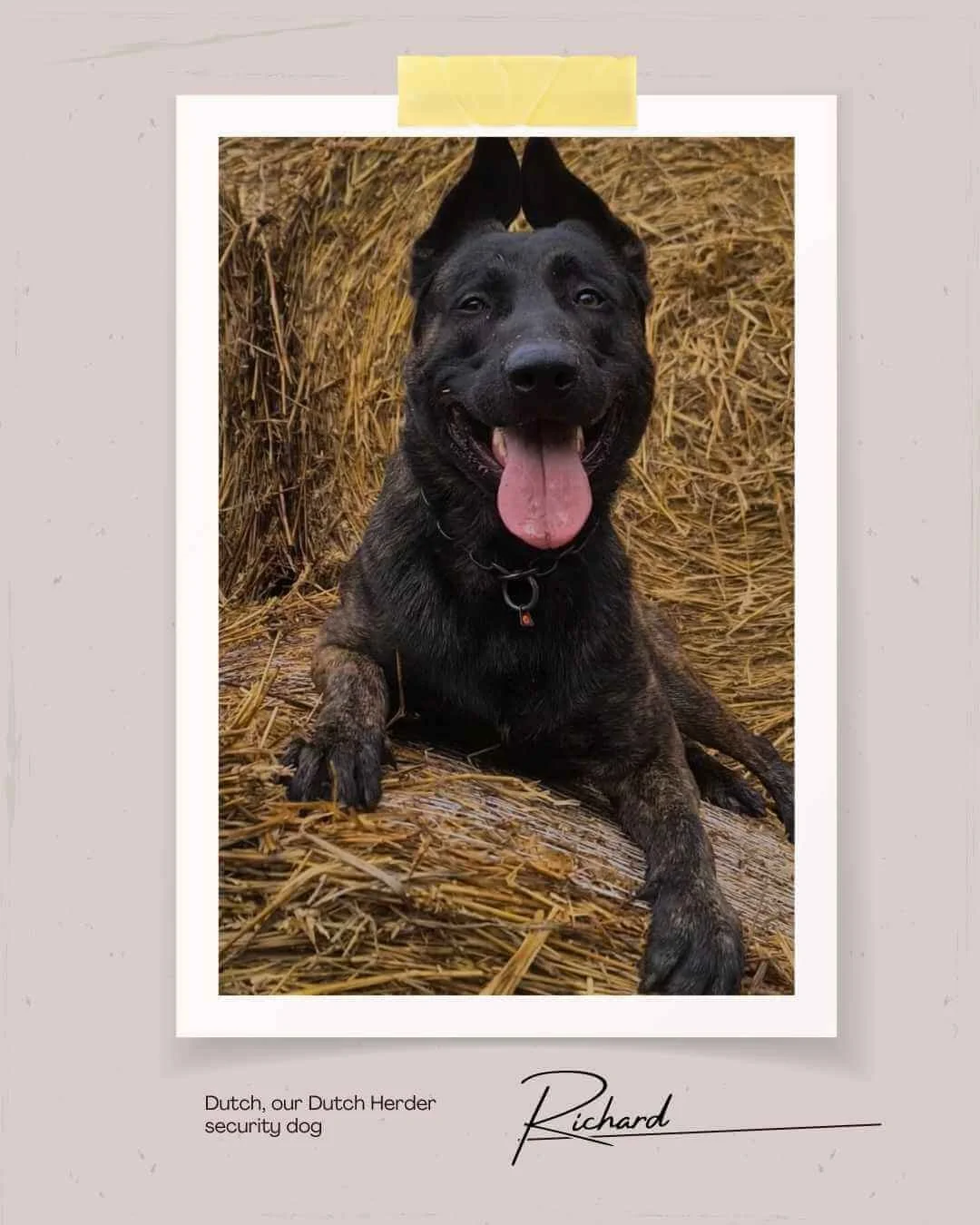
Then there’s Dutch, our security dog. Fierce, focused, and very much a one-man dog, Dutch takes his role seriously. He’s not a pet in the traditional sense, but an important part of keeping our home and animals safe. He reminds us that not all dogs on a smallholding have the same purpose — and that understanding each animal’s role matters just as much as understanding their needs.
Together, they’re part of what makes our smallholding work. They don’t just share the space — they shape it.
Dogs, Diet, and Using What Would Otherwise Be Wasted
Our dogs also play an important role in how we manage food and waste on the smallholding.
All of our dogs are fed legal home-kill by-products, including items such as heads, organs, stomachs, and horns. Nothing is given casually or without thought — everything is handled and fed legally, responsibly, and with animal health in mind.
This approach allows us to:
reduce waste
respect the whole animal
provide a natural, species-appropriate diet
close the loop between care, food, and responsibility
For us, this is part of being genuinely self-sufficient. It isn’t about being extreme or graphic — it’s about not wasting what an animal has provided, and ensuring every part is used thoughtfully and legally.
We also cover Nothing Going To Waste in our New Blog: How to Tan Sheep Hides at Home & Use the Whole Animal: A Smallholder Story
🐖 Pigs: Intelligent, Strong, and a Bigger Commitment
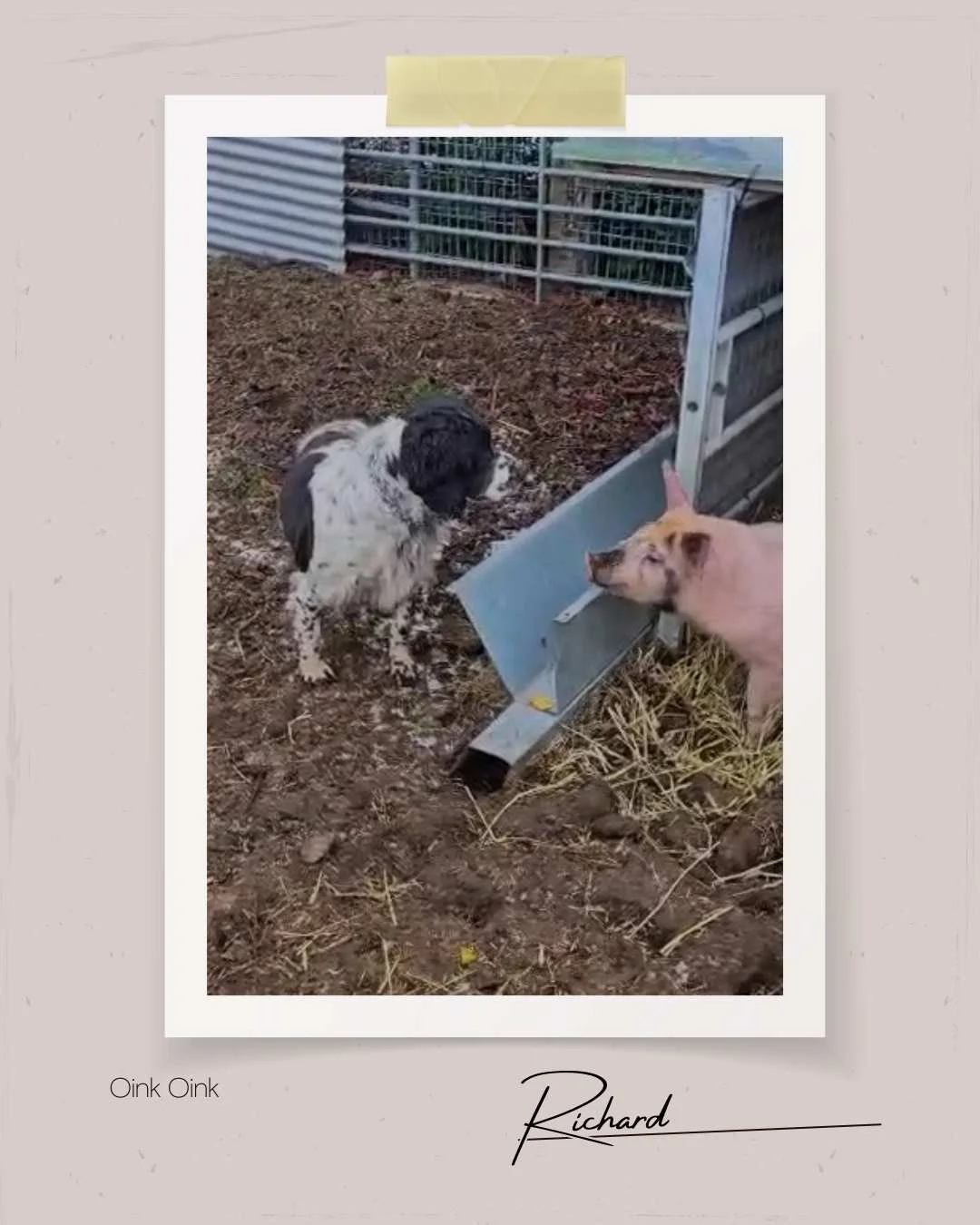
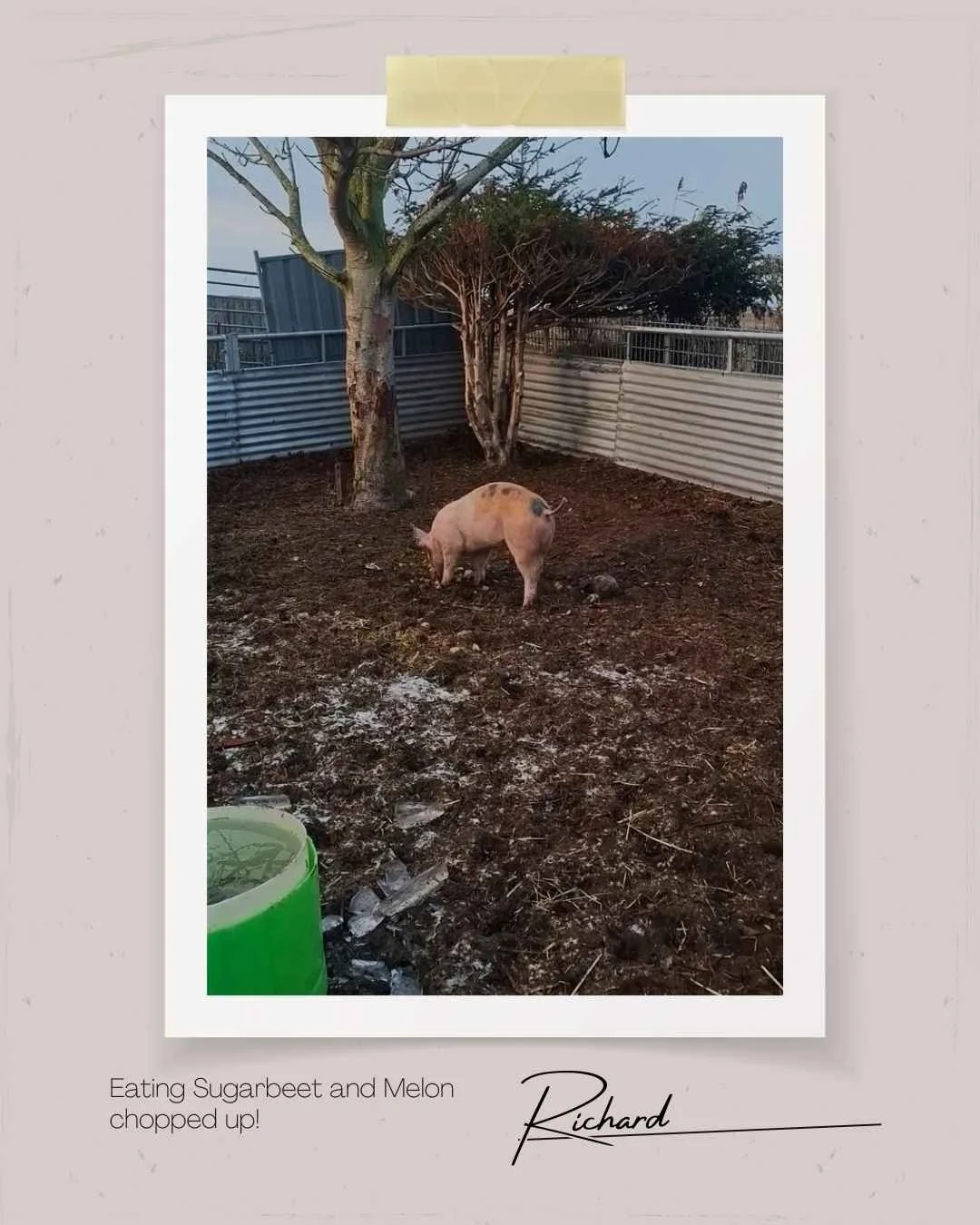
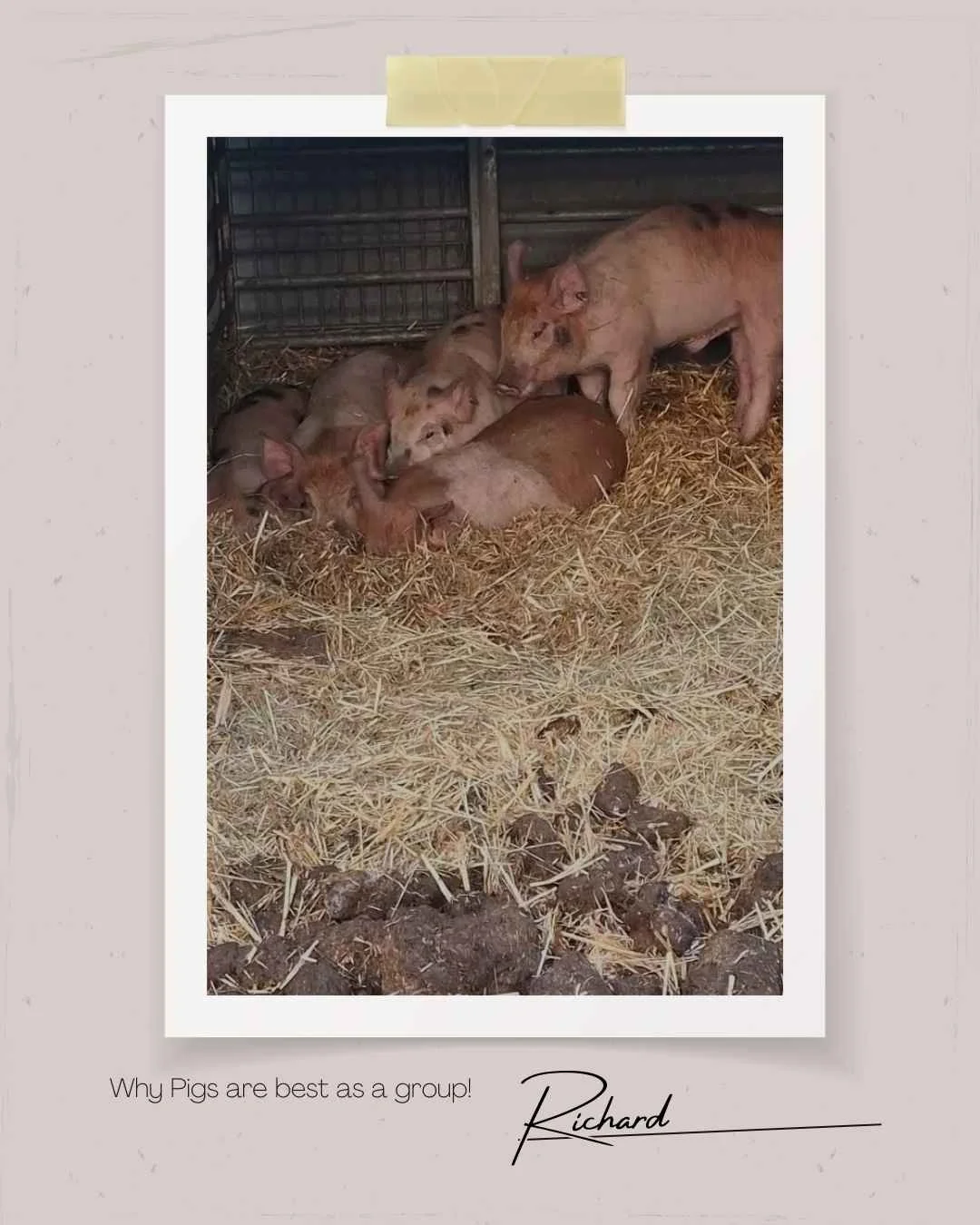
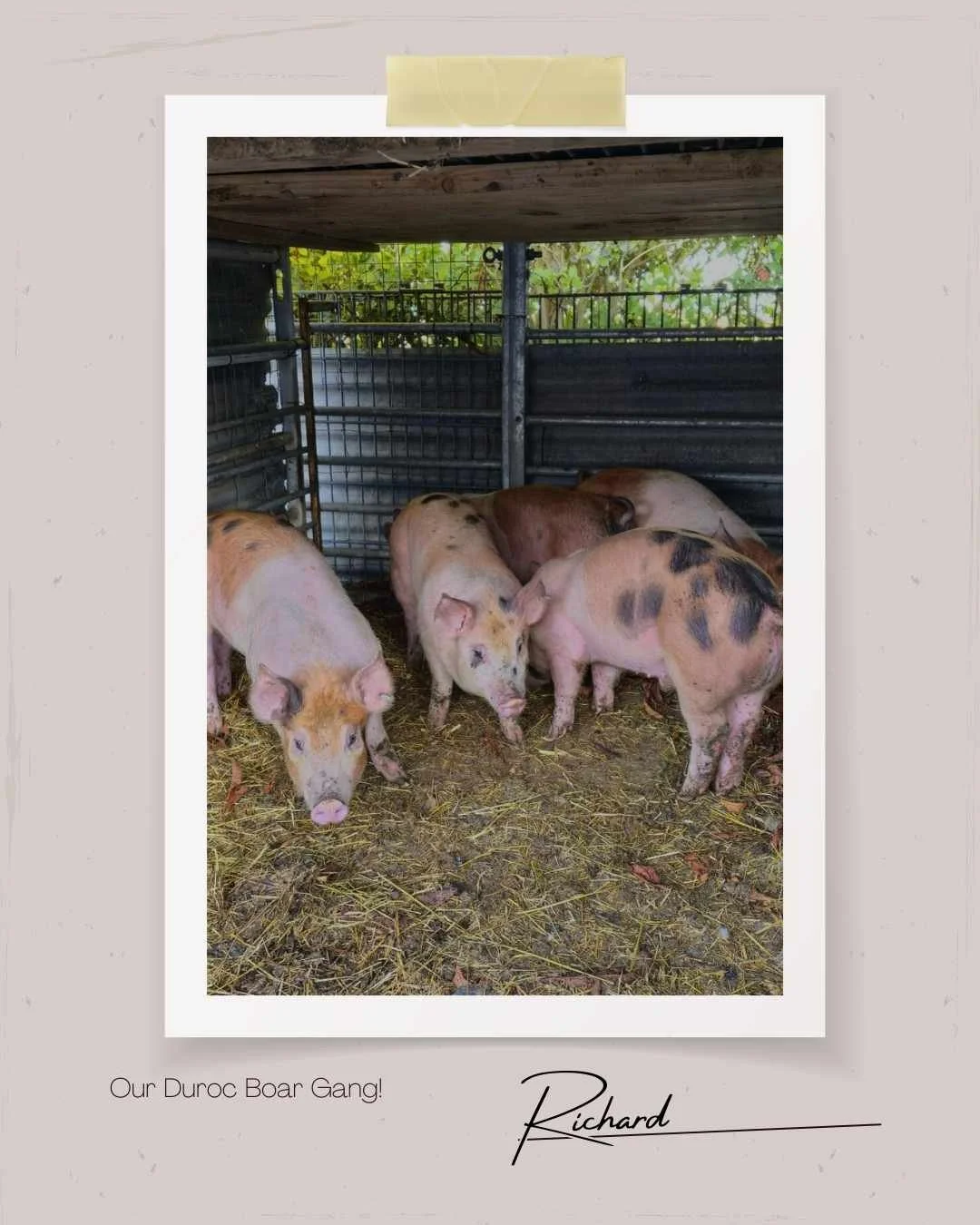
Pigs are often described as one of the most rewarding animals to keep on a smallholding — and for good reason. They’re intelligent, inquisitive, and full of personality. Many smallholders start with a pair of weaners and quickly discover just how engaging pigs can be, from greeting you at the gate to happily foraging and rooting around their paddock.
However, pigs do require more planning and commitment than some other livestock. They are strong animals, both physically and mentally, and they will test fencing, boundaries, and routines if given the chance. Secure fencing and solid shelters aren’t optional with pigs — they’re essential.
We’ve found that keeping pigs in small groups, usually pairs, works best. They’re social animals and do not thrive when kept alone. They also need space to express natural behaviours like rooting and wallowing, along with shade and dry bedding to keep them comfortable in all weather.
One important consideration that’s sometimes overlooked early on is slaughter. Pig slaughter requires more specialist handling and equipment than sheep or goats, which means it can be more complex and slightly more expensive. This isn’t a negative — but it is something worth thinking about before you commit, so there are no surprises later and welfare remains the priority. If you’re planning ahead, it’s worth understanding your options early, including how on-farm pig slaughter works — you can read more in our Pig Home Kill Service guide.
Key considerations when keeping pigs include:
strong, pig-proof fencing and gates
dry, well-bedded shelters with good drainage
appropriate feed and careful portion control
regular health checks and parasite management
access to shade and wallowing in warmer months
planning ahead for slaughter and processing
Mud! Lots of mud, they will turn the ground over that they are on.
Pigs can be incredibly rewarding to keep, but they suit smallholders who enjoy daily interaction, routine, and problem-solving. With realistic expectations and good preparation, they can be a joyful and productive part of a smallholding — but they’re not a livestock choice to rush into without a plan.
Space, Shelter, and Winter Management
Whether you have grass or not, space and shelter are critical.
Key considerations include:
dry ground and good drainage
winter housing such as stables or barns
avoiding animals standing in wet conditions
clean, dry bedding
Good housing is one of the most effective ways to prevent issues such as footrot, particularly in sheep.
Good welfare isn’t about perfect land — it’s about thoughtful decisions, calm handling, and animals feeling safe in their environment.
Seasonal Planning, Numbers, and Knowing When to Adjust
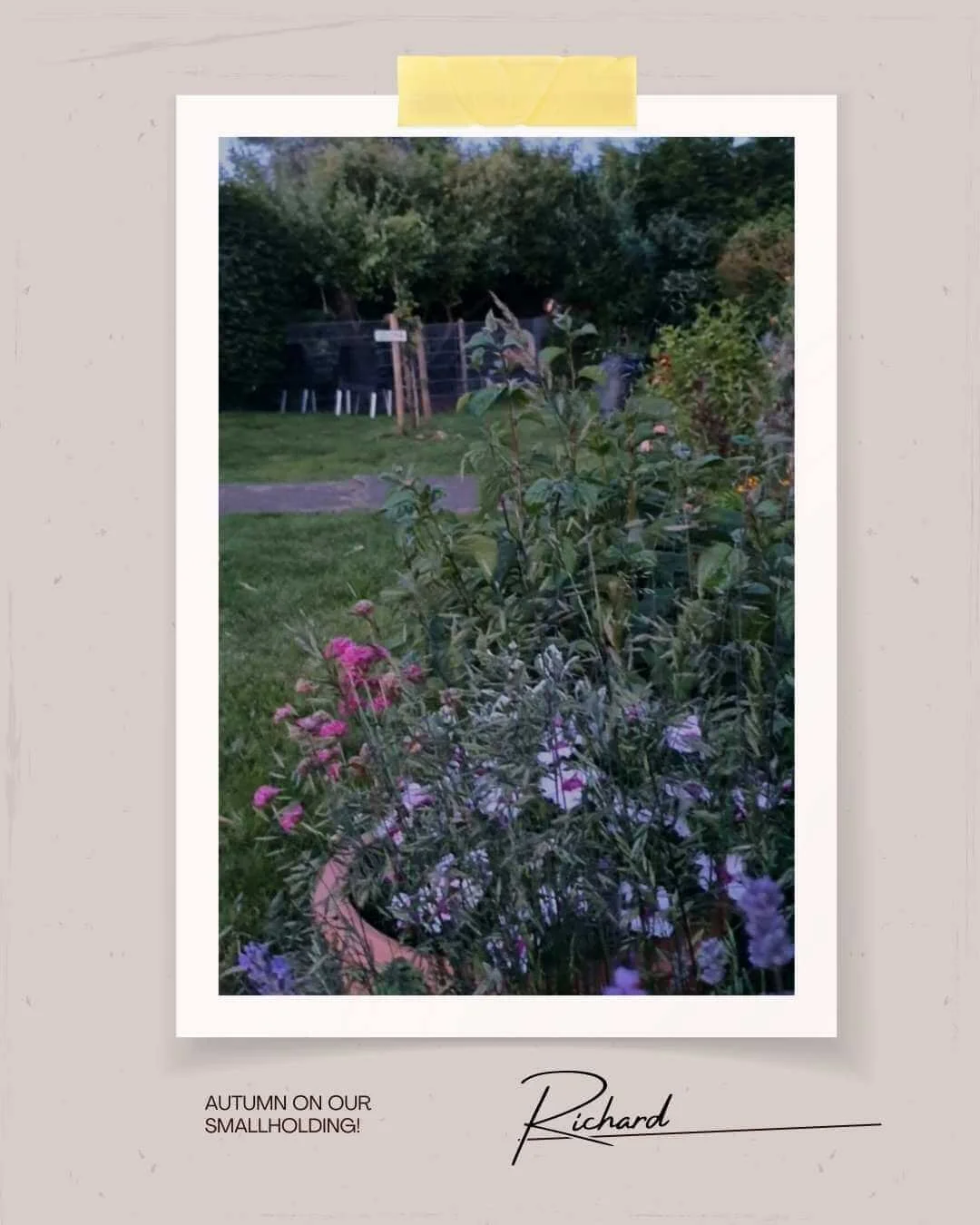
One of the biggest lessons we’ve learned over time is that livestock keeping is seasonal, and different species — and even different breeds — need different considerations depending on the time of year.
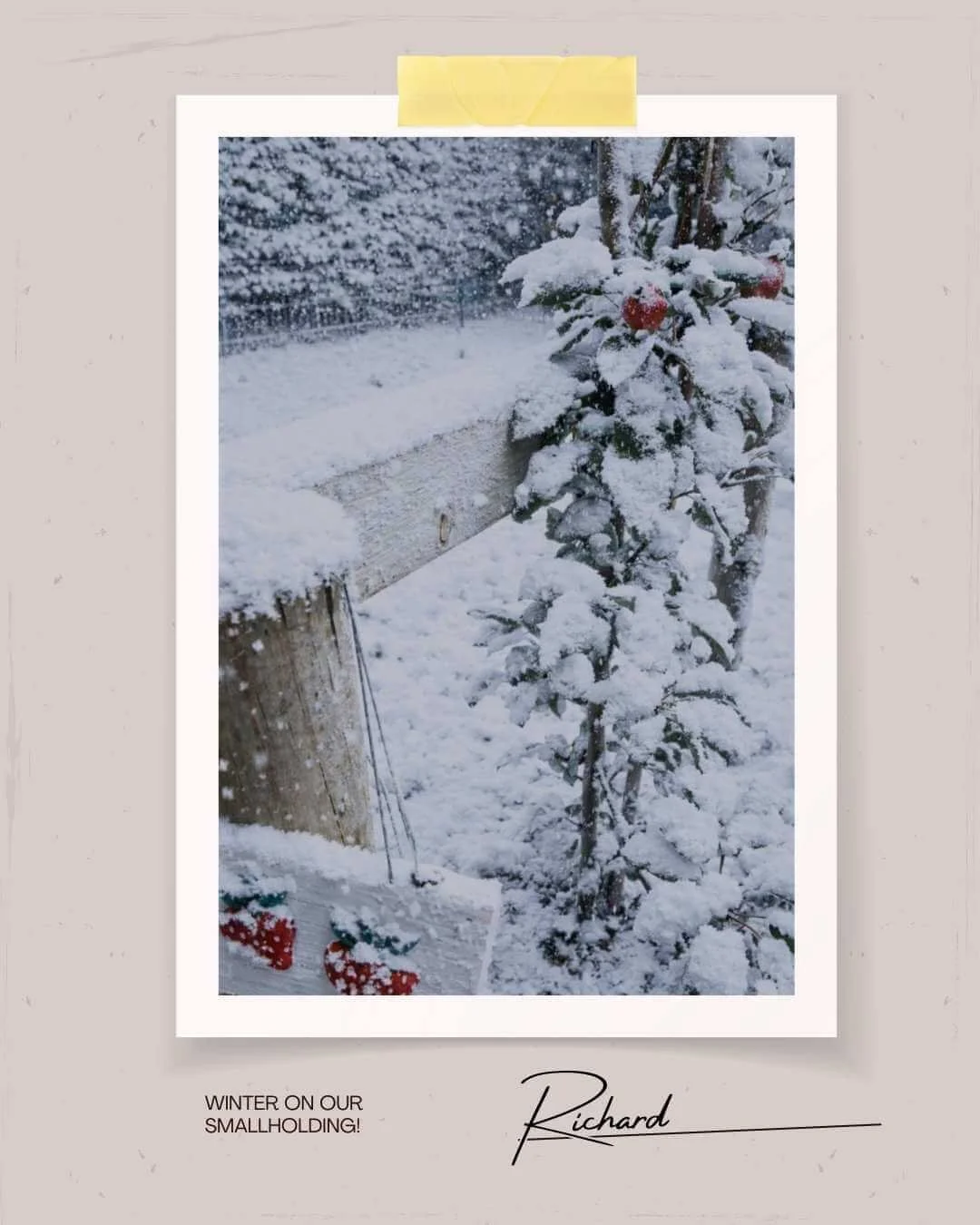
In winter, our focus is on:
keeping animals dry and sheltered
reducing pressure on housing and pens
managing feed costs
avoiding animals standing in wet or muddy conditions
For us, that often means reducing numbers in winter, either by selling animals on or using them for meat. Keeping fewer animals through the colder months allows us to maintain better welfare, cleaner housing, and calmer routines.
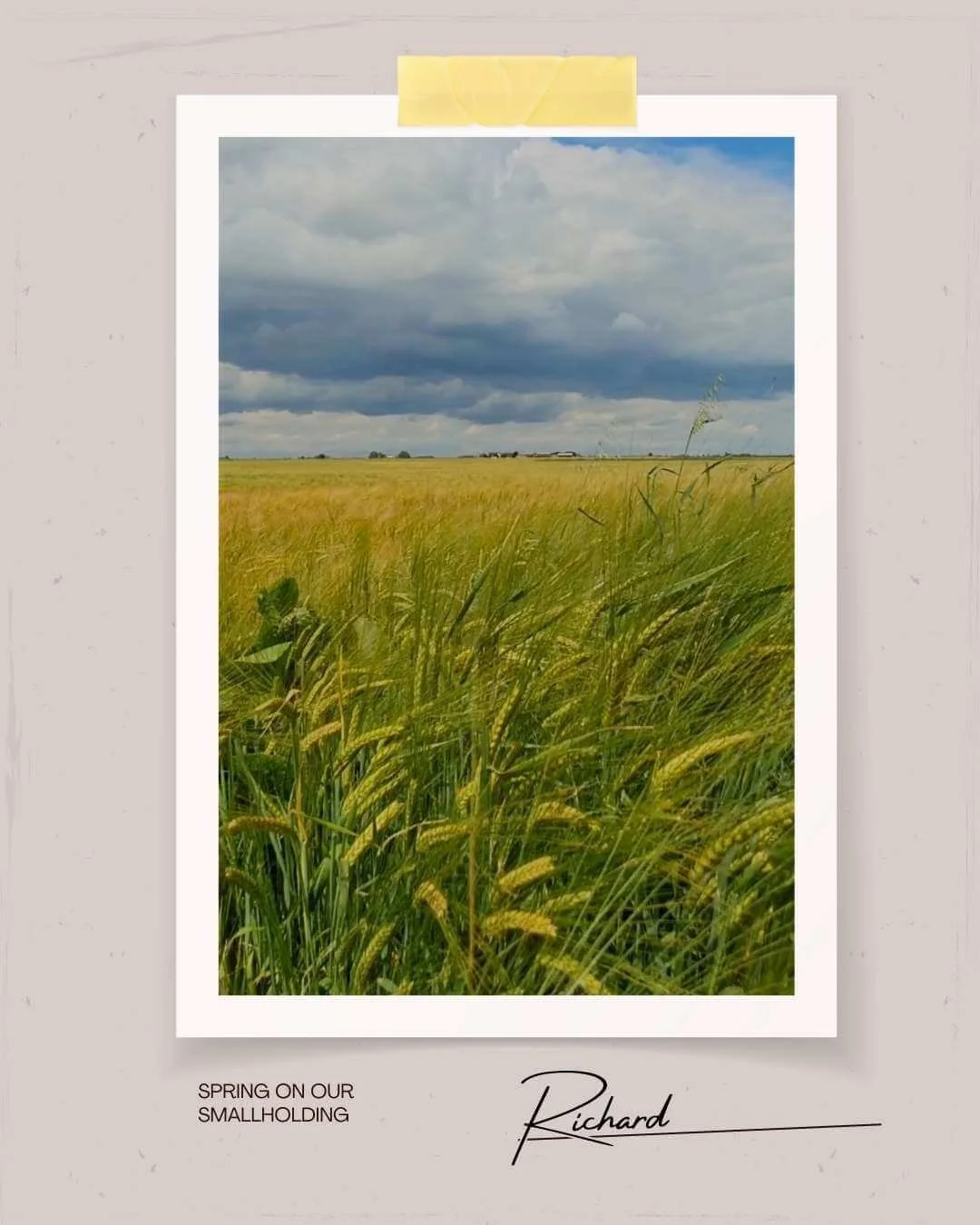
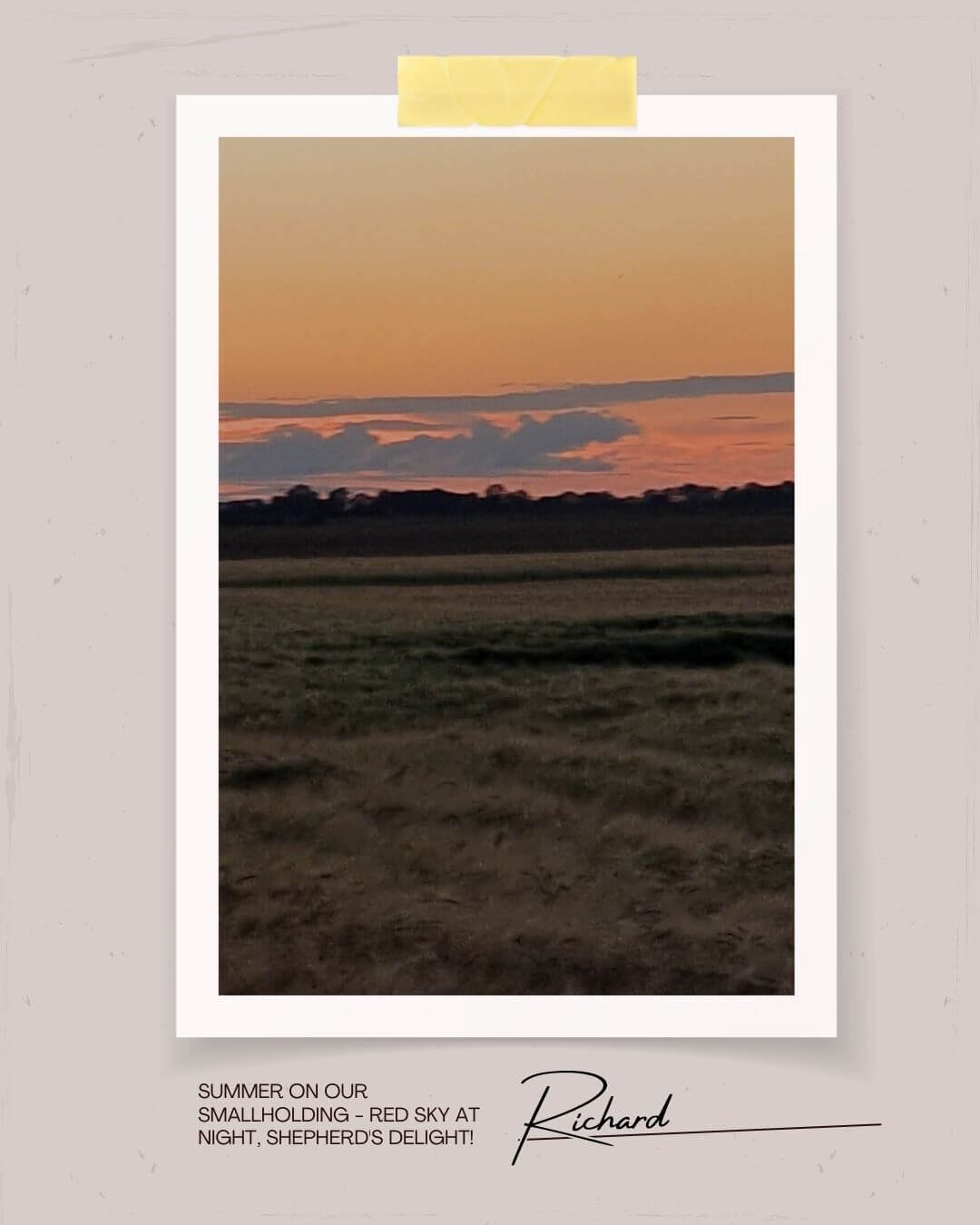
Summer brings different challenges. While grass, growth, and space can feel more abundant, summer requires:
adequate shelter and shade
careful monitoring for flystrike
increased fly control and preventative costs
good airflow and hygiene
Numbers matter just as much in summer as they do in winter — overcrowding increases stress, disease risk, and costs very quickly.
Worm Burden and Health Considerations
Worm burden is something every smallholder needs to consider carefully.
Good management includes:
avoiding overcrowding
maintaining clean housing and pens
monitoring body condition regularly
using faecal egg counts rather than routine worming
keeping stocking density sensible
Lower numbers and good hygiene often lead to healthier animals overall, regardless of grazing.
Where We Buy Our Livestock (and What to Look For)
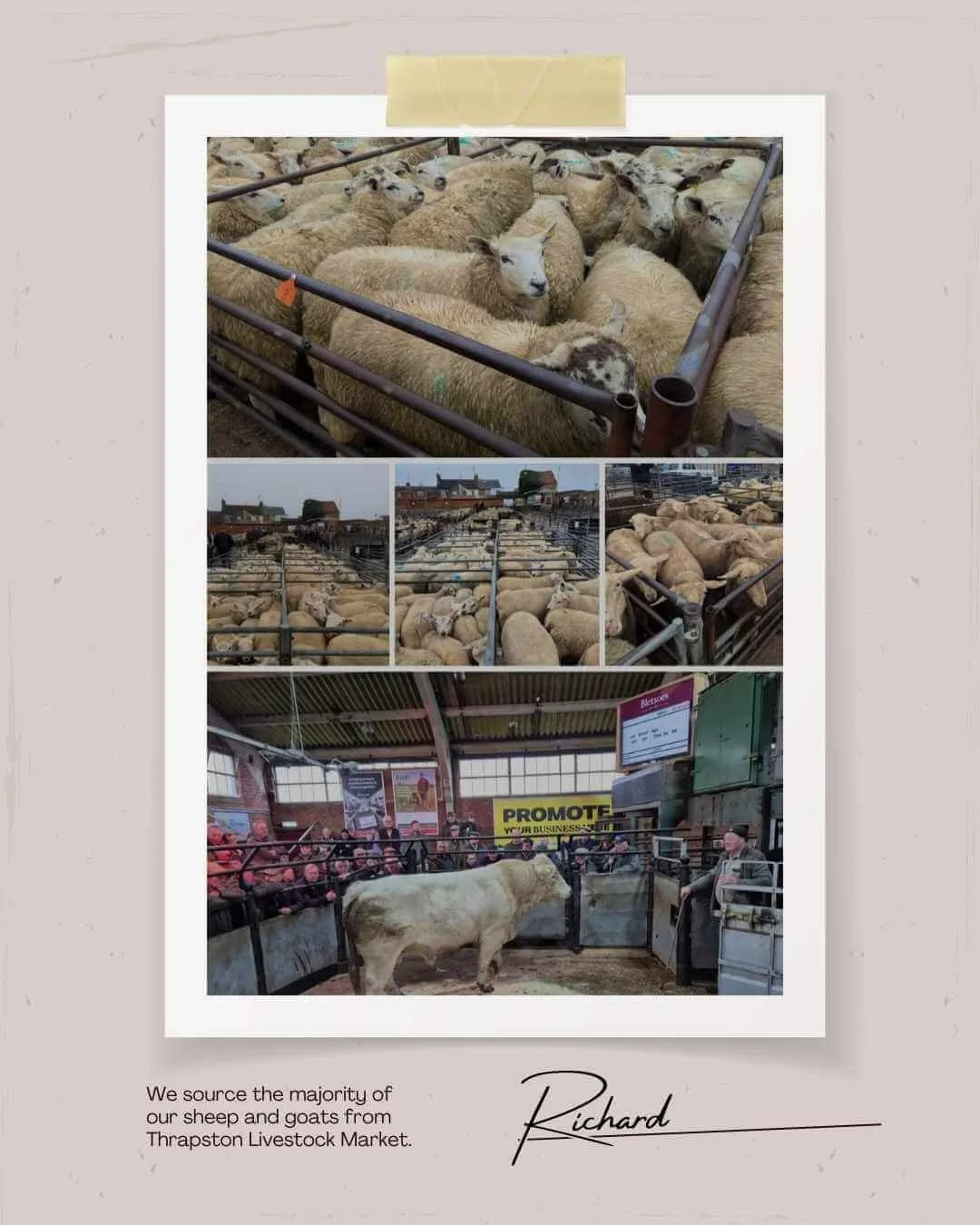
People often ask where we buy our livestock. We believe it’s important to buy from places where animals can be seen properly and questions can be asked.
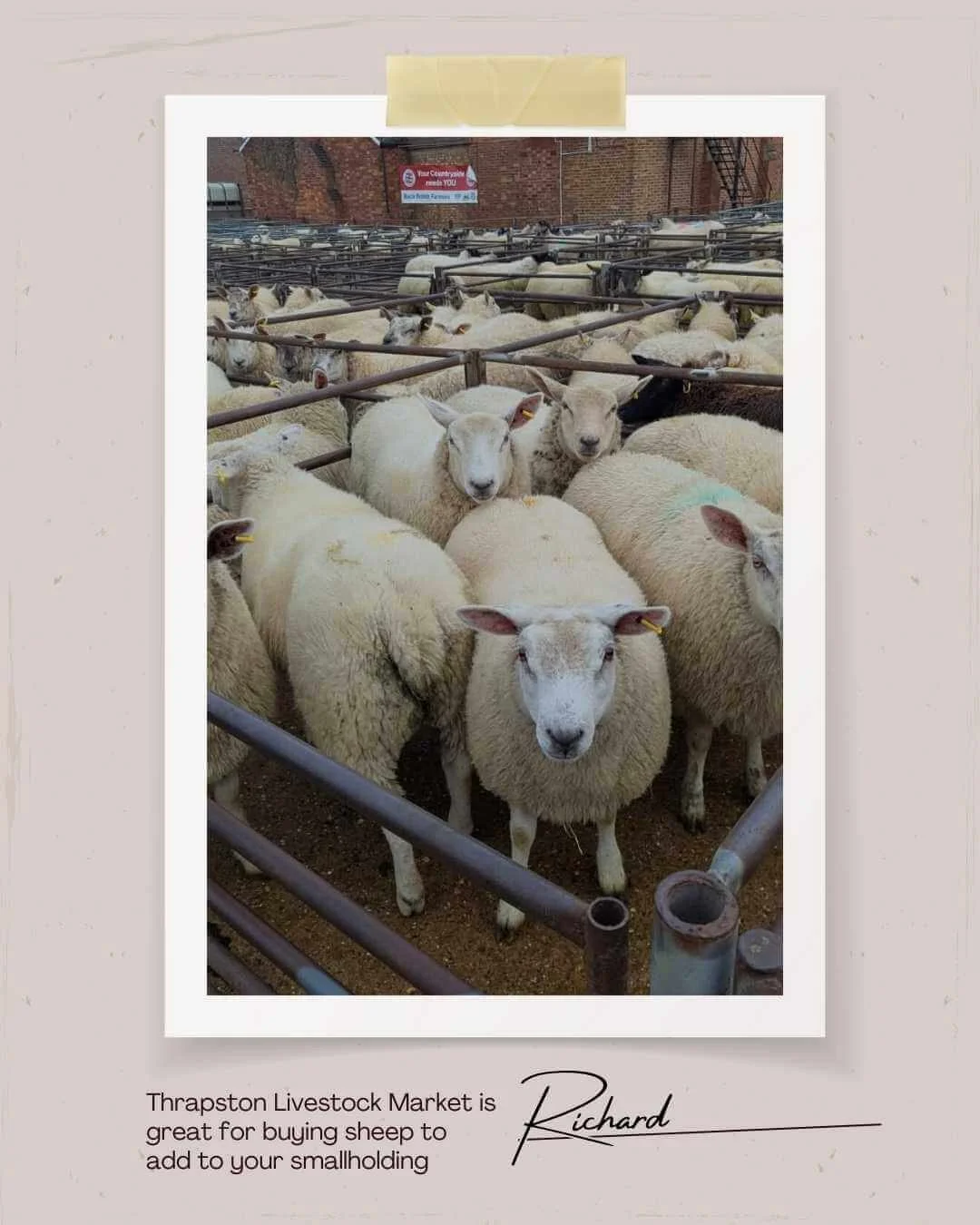
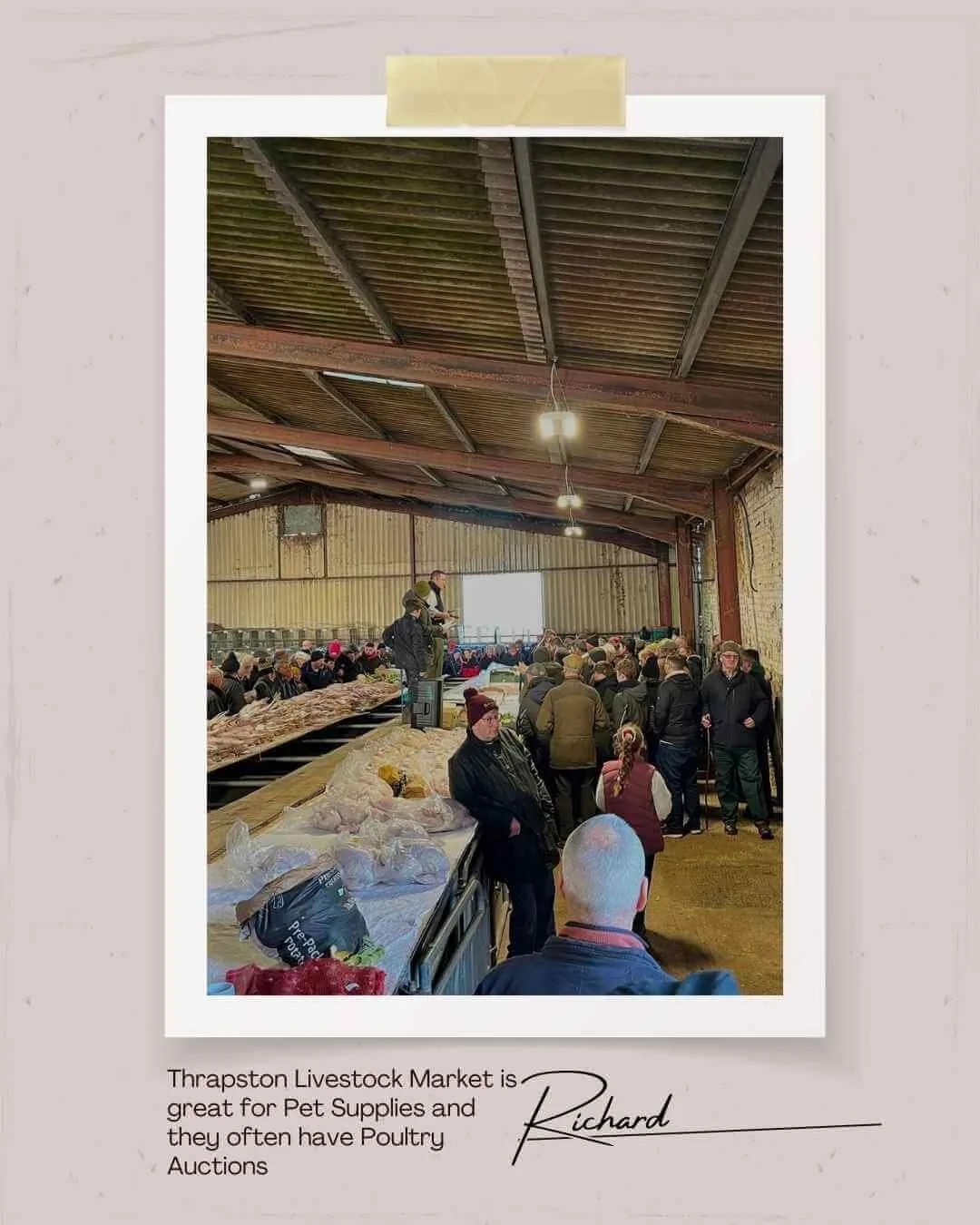
We source the majority of our sheep and goats from Thrapston Livestock Market.
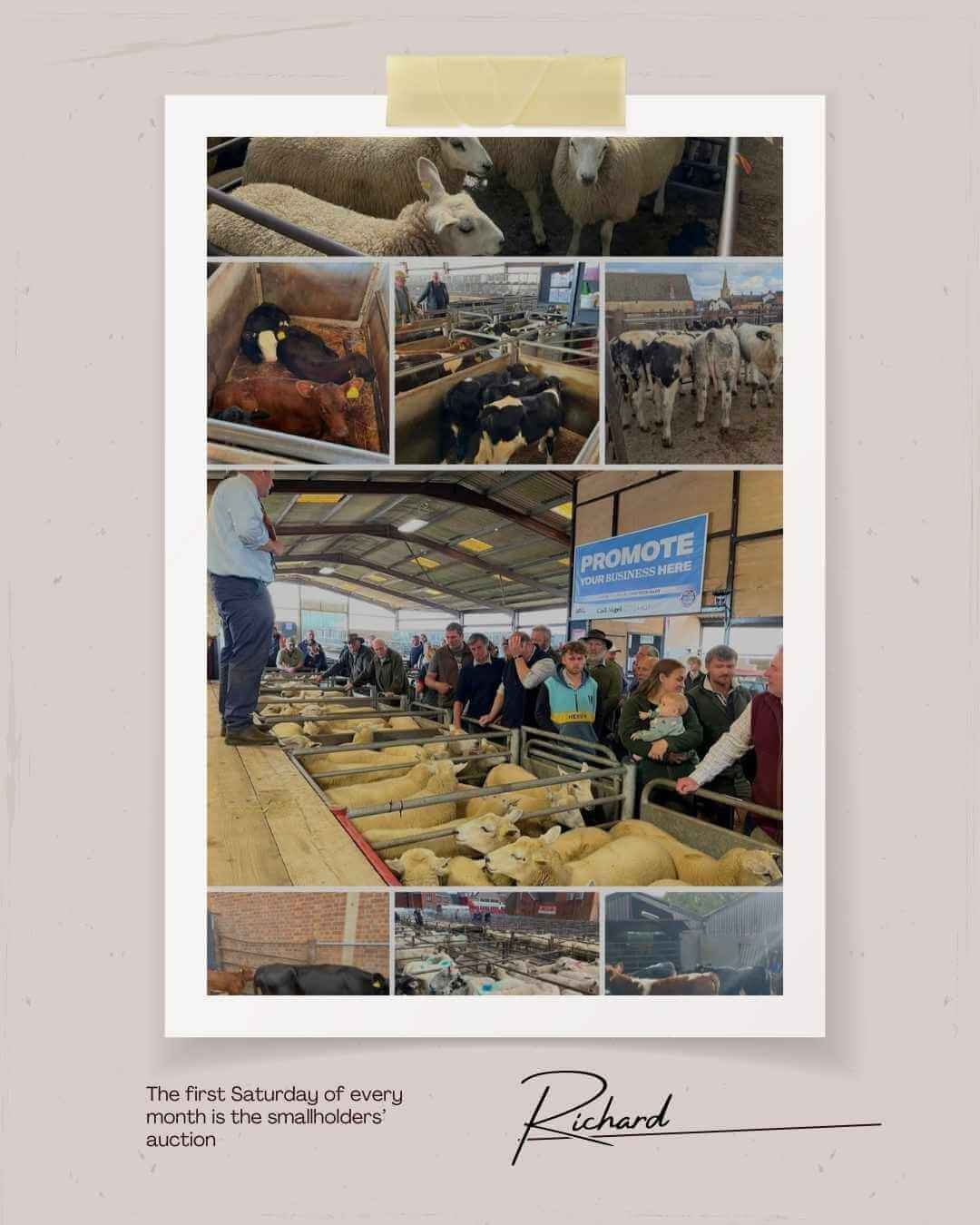
The first Saturday of every month is the smallholders’ auction
A wide variety of breeds are available
It’s also a great place to pick up pet and livestock supplies at good prices
Chickens are often sold there too
We’ll also have our poster displayed there for the next two years, reflecting how closely connected we are to the smallholding community.
We also source goats through:
When buying livestock, look for:
alert, bright animals
good body condition
clean eyes and noses
age-appropriate confidence
sellers who answer questions openly
Never rush — a good animal is worth waiting for.
Get to know your local Livestock farmers, they are a great source to also find quality livestock, along with Smallholder Groups on Facebook.
Pets, Meat, and Being Honest With Yourself
Another important reality of smallholding is that not every animal is kept or bred for meat.
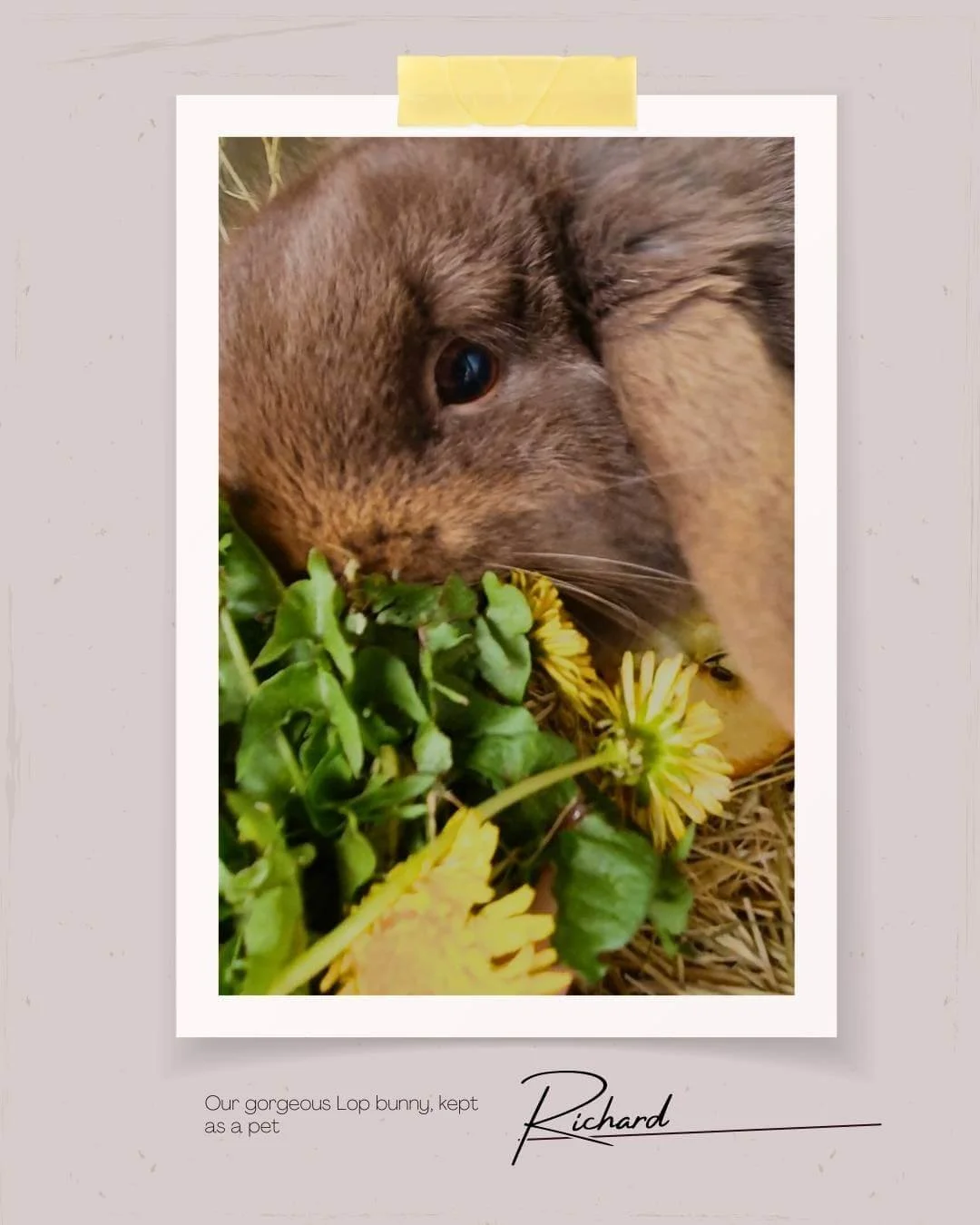
Some animals become pets — and when that happens, they get names.
Others are bred or kept specifically for meat — and when that’s the case, we try not to name them.
That boundary matters.
There’s no right or wrong approach here, but it’s important to be honest with yourself about:
your emotional limits
your intentions from the start
how you’ll feel later on
Caring deeply about animals and choosing to raise some for meat are not opposites. Both require responsibility, clarity, and respect. What matters most is that every animal — pet or livestock — receives calm handling, appropriate care, and a good quality of life.
Common Beginner Mistakes We See (and What We Learned)
Starting a smallholding is exciting, and it’s easy to rush. Some of the most common mistakes we see include:
keeping too many animals too quickly
choosing animals before planning housing
assuming grass alone is enough
underestimating winter care
You do learn as you go, and that’s part of smallholding.
When we started, our fencing was made from hundreds of free pallets we collected and turned into makeshift fencing. Over time, as we learned and adapted, we upgraded to high, sturdy fencing, often using heavy-duty metal livestock gates connected together.
Those early lessons — including the escape-goat incident — shaped the setup we have today. Learning, improving, and adapting is all part of responsible livestock keeping.
Many beginners also find it helpful to read about common mistakes smallholders make and how to avoid them - please read our Blog COMMON BEGINNER SMALLHOLDER MISTAKE AND HOW TO AVOID THEM!
Is Building a Smallholding Right for Me?
Smallholding isn’t right for everyone — and that’s okay.
Livestock depend on you every day, including weekends, holidays, bad weather, and busy weeks. If that feels overwhelming, it’s better to recognise it early than to struggle later.
The right choice is the one that keeps both people and animals safe and well cared for.
Quick Questions New Smallholders Ask
Do sheep and goats need grass?
No. With good-quality hay, appropriate feed, and proper housing, sheep and goats can thrive without grazing.
How many animals should I start with?
Fewer than you think. Small numbers are easier to manage well and give you space to learn.
Start Small, Learn Well
You don’t need lots of animals to be a “proper” smallholder.
In our experience:
fewer animals are easier to manage well
welfare improves when you’re not stretched
confidence grows with experience, not numbers
A calm, self-sufficient smallholding is built step by step.
Why This Lesson Matters for New Smallholders
Seasonal planning, realistic numbers, and emotional honesty are just as important as housing and feeding.
Smallholding works best when you:
plan ahead for seasonal changes
adjust numbers rather than struggle
accept that learning takes time
make decisions based on welfare, not pressure
This is something you grow into — not something you have to get right on day one.
What Comes Next?
Choosing which animals to keep is often the first real step towards a more self-sufficient way of life.
The next step is learning how to keep those animals healthy and well-fed throughout the year — from feeding basics to daily health checks and seasonal care.
If you would like advice please do call us on 07794594999
Keeping livestock as a family?
If you’re keeping animals as a family, you may also find it helpful to read our guide on how to talk to children about raising livestock for meat, which shares gentle, age-appropriate ways to involve children in smallholding life.
Nothing goes to waste
We have recently shared a Blog on how smallholders can tan sheep hides at home and ensure nothing goes to waste when keeping Sheep on your Smallholding - For many smallholders, using the whole animal is about respect, sustainability, and skills that are slowly being lost. This guide shares a real, practical approach to tanning sheep hides at home — passed on through experience, not theory.
About the Author
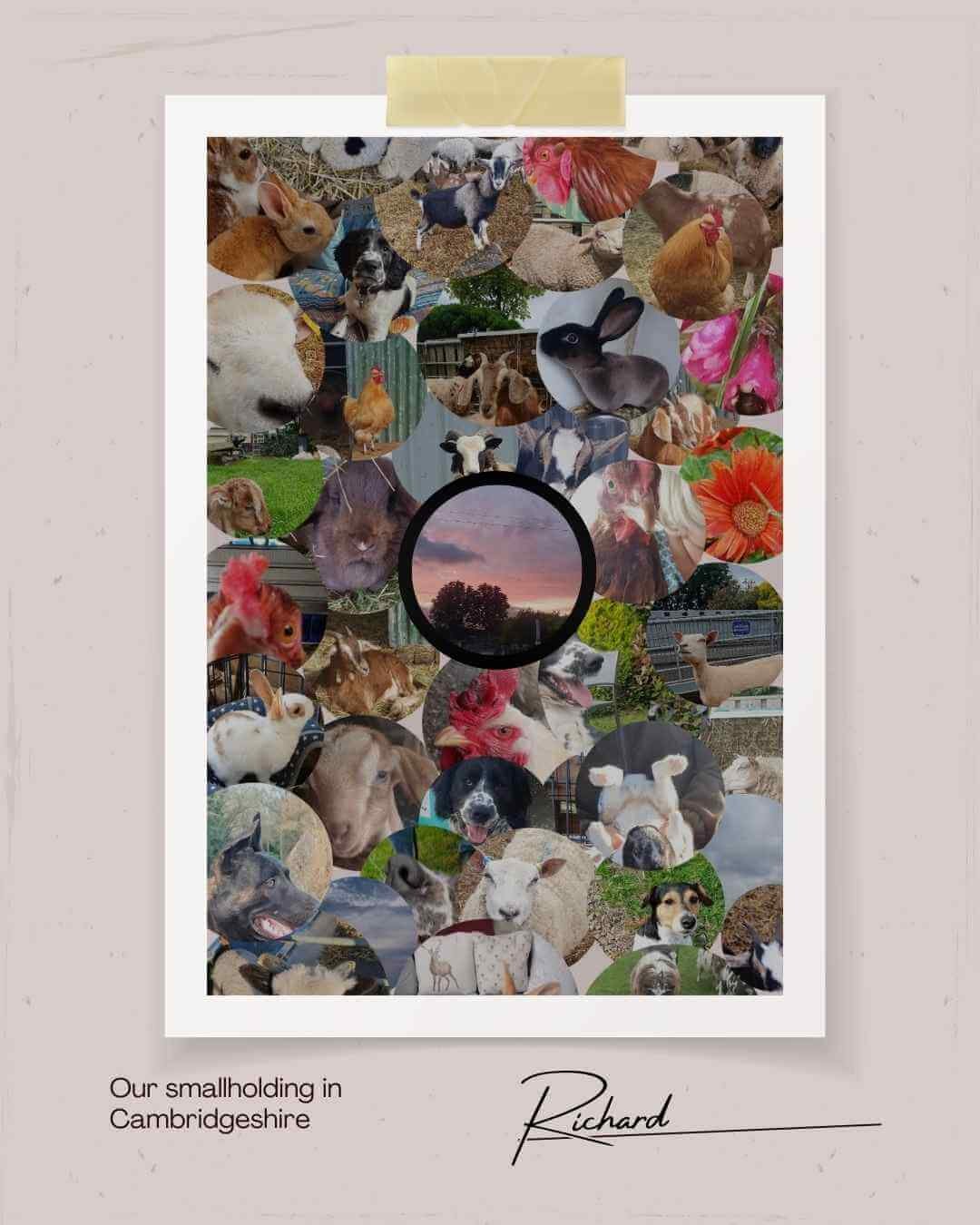
Richard and his wife run a smallholding in Cambridgeshire, where they keep sheep, goats, and chickens. Alongside day-to-day livestock care, Richard is a licensed home-kill butcher, and owner of GREEN FIELDS HOME KILL AND BUTCHERY, he seeks to support other smallholders with calm handling, welfare-led decisions, and honest, practical guidance built from real experience.