
Common Beginner Smallholder Mistakes (and How to Avoid Them)

Starting a smallholding is exciting, but it can also feel overwhelming.
Most beginners don’t make mistakes because they don’t care. They make them because they’re learning, often with too much information and not enough real-world context.
We’ve been there ourselves. Through running our own smallholding and working with many others, we see the same patterns crop up again and again.
This blog isn’t about judgement. It’s about helping you recognise some common beginner challenges early, so you can avoid unnecessary stress and keep animal welfare at the centre of every decision.
Before we started, we bought a few practical smallholder guidebooks like this one, and they were genuinely brilliant for building confidence and understanding the basics before learning everything hands-on.
1. Taking on too much, too soon
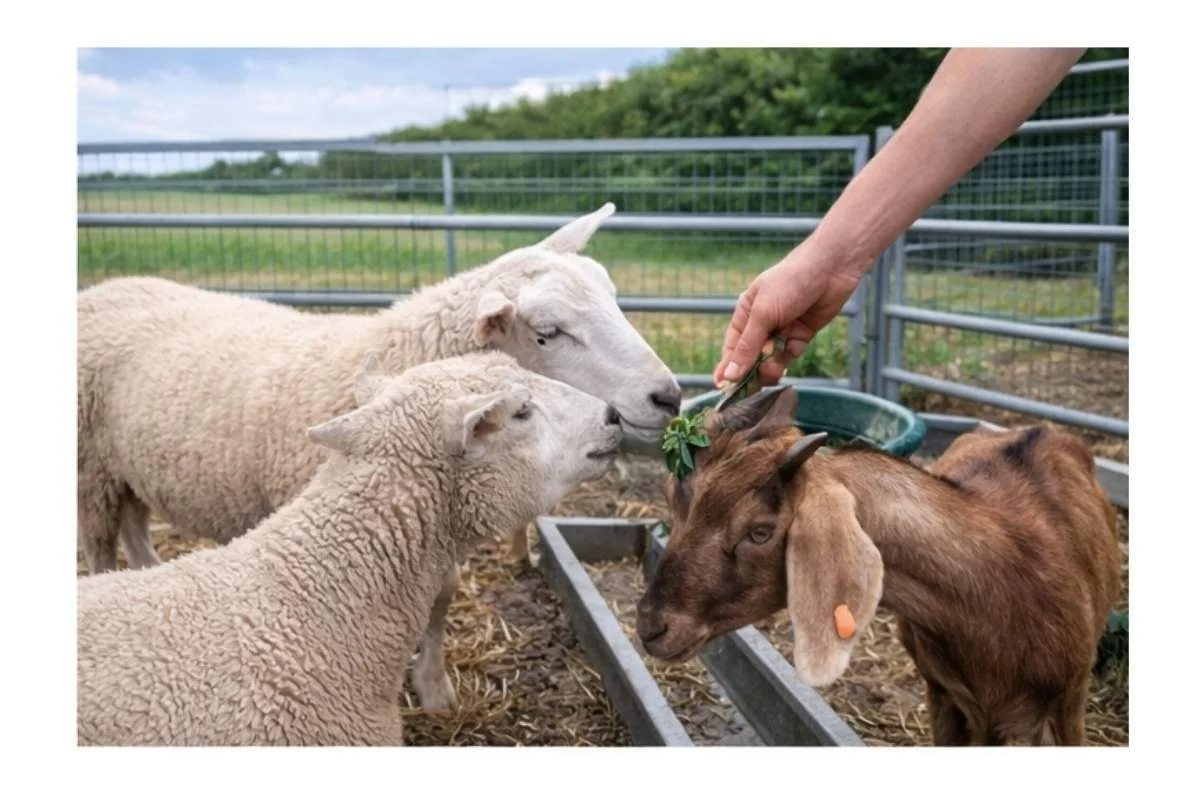
One of the most common beginner issues is starting with too many animals, or too many different species, all at once.
It’s easy to think that if you’ve got the land, you should use it. In reality, every species comes with its own routines, risks, and learning curve. When numbers increase too quickly, daily checks become rushed, small problems are missed, and stress builds for both people and animals.
How to approach it:
Start small. Get confident with one species before adding another. Learn what “normal” looks like for your animals. A calm, manageable setup almost always leads to better welfare.
2. Underestimating daily checks
Many beginners expect problems to be obvious. In reality, early warning signs are often subtle.
A sheep that’s slightly quieter than usual.
A goat that doesn’t rush to the gate.
A chicken standing apart from the rest.
These changes are easy to miss when daily checks are rushed or irregular.
How to approach it:
Build simple routines. Walk your animals every day. Look, listen, and notice patterns. Catching issues early often prevents much bigger welfare problems later.
3. Assuming grass equals nutrition
Another common misconception is that pasture alone is enough.
Grass quality varies hugely depending on season, soil, weather, and stocking levels. Goats browse very differently to sheep, and animals at different life stages have different nutritional needs.
Relying on pasture without monitoring body condition can quietly lead to problems.
How to approach it:
Learn what good body condition looks like for each species you keep. Be prepared to adjust feeding throughout the year. Nutrition is one of the foundations of good animal welfare, even when animals appear to have plenty to eat.
4. Underestimating fencing (especially for goats)
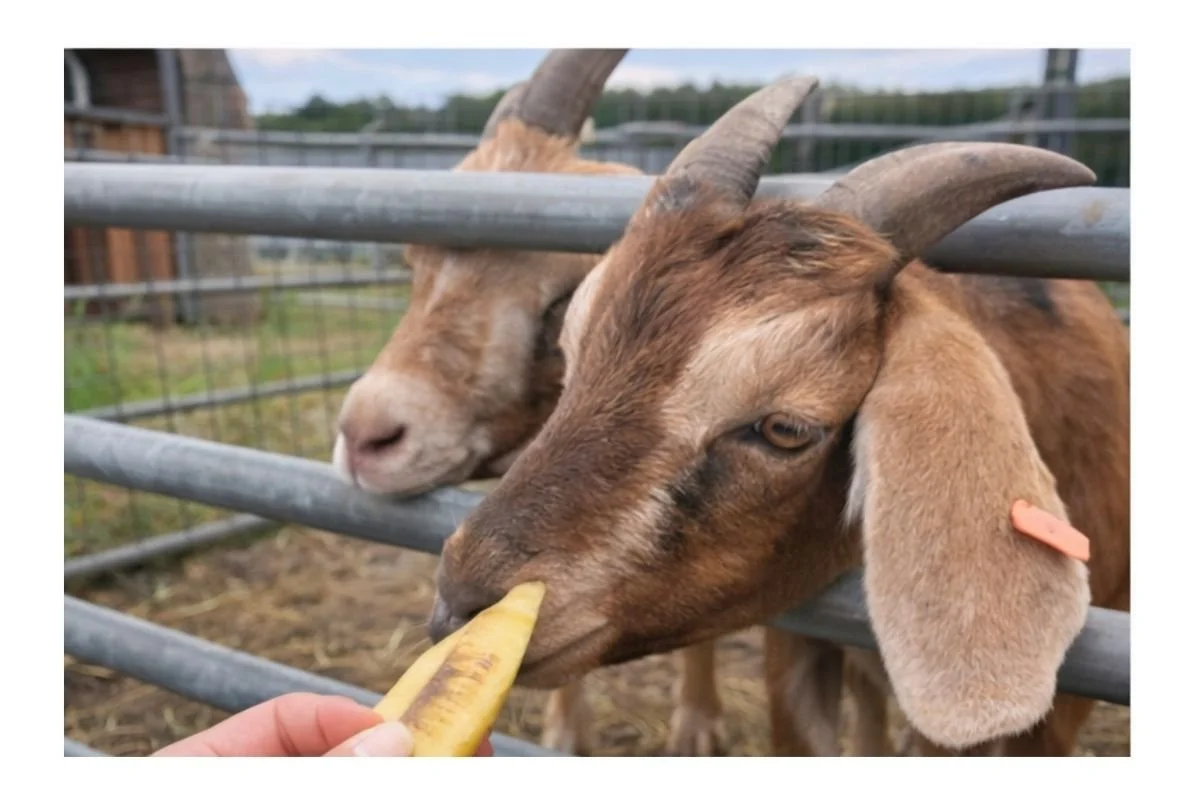
Fencing is an area where many beginners try to be resourceful at first. We did exactly the same.
When we started, we collected hundreds of free pallets and spent hours turning them into a large fenced pen, fixed to solid wooden posts. On paper, it seemed sensible. In reality, it looked scrappy, took endless time, and was far too easy for goats to climb over.
Goats are curious, athletic, and incredibly persistent. If there’s a foothold, a weak point, or something interesting on the other side, they will find it.
We eventually changed approach and invested in heavy-duty steel gates sourced through Facebook Marketplace. The difference was immediate. The setup was safer, stronger, and far more reliable. That said, good fencing comes at a cost. By the time we finished, we’d spent over £1,000 fencing the goats, and even now, with gates around 1.5 metres high, we still have the occasional pygmy goat that manages to jump them.
What we learned:
Goats will test fencing constantly
“Free” fencing often costs more in time and re-doing
Height matters, but design and stability matter just as much
Even good fencing needs regular checking
5. Not checking plants and hedges for toxicity
This is one of the hardest lessons we’ve learned, and one we share carefully because it matters.
Our sheep had lived in the same large pen for over two years. They didn’t graze pasture. We fed hay daily, provided mineral feed and vitamin blocks, and carried out regular checks. At the back of the pen was a mature hedge. Over time, the goats nibbled the bark and leaves, and the sheep occasionally browsed it too. There were no issues.
Eventually, we decided to cut the hedge down.
On the day it was cut, the goats were in with the sheep. We placed the cuttings into the pen, assuming it would be safe for them to nibble, just as they always had.
The following morning, we woke to find three sheep dead, including a ewe and her lamb.
The hedge was yew (Taxus baccata), a common evergreen hedging plant in the UK that is highly toxic to sheep, particularly when cut or wilted.
What made this especially difficult is that the animals were otherwise always well cared for, well fed, and closely monitored. The risk didn’t come from neglect. It came from a lack of awareness about how cut plant material can become far more dangerous than when it’s standing, and how toxicity affects species differently.
At the time, we checked the plant using a plant identification app, which confirmed it was commonly browsed by goats. What we didn’t realise then was how differently sheep are affected, particularly once plant material is cut.
Since that day, we now check everything. Hedges, trees, weeds, and garden plants. Even areas animals “don’t usually access” are checked, because escapes do happen.
6. Being prepared for emergencies and casualty situations
Many new smallholders don’t think about emergency situations until they’re already in one. Not because they’re unprepared or careless, but because these situations are often unexpected and emotionally difficult to consider in advance.
In reality, this is one of the most common reasons we receive phone calls. Often, it’s from very upset owners who have just been advised by their vet that the kindest option is to arrange casualty or emergency slaughter.
These situations are rarely planned. An animal may have been injured, deteriorated quickly, or developed complications where recovery isn’t possible. What we hear time and time again is relief once people understand there are calm, welfare-led options available, and that they don’t have to navigate the situation alone.
Where immediate veterinary treatment has been given, we always ensure the correct meat withdrawal period has fully passed before proceeding. Many owners are reassured simply by being able to talk things through calmly and understand what their options are.
One recent example was Catharine, who contacted us following veterinary advice regarding a young casualty heifer. In her words:
“Richard came last Friday to slaughter and butcher a young casualty heifer on site. He arrived on the day and time arranged, moved calmly around her whilst positioning himself exactly right so her death was without stress and instant, something that had been worrying me.
Over the course of the afternoon he prepared the entire carcass to be frozen in manageable family portion sizes, answered questions about checking offal, and even set aside offcuts for dogs. His kindness and professionalism were exceptional… I’m happy to have an alternative to sending them on a journey for slaughter so they can spend their whole lives in the place they were born and raised.”
Experiences like this are shared not as cautionary tales, but to show how preparation, clear information, and calm support can make an incredibly difficult situation kinder and more manageable.
Being prepared can include:
Knowing who to contact if an animal is injured or deteriorates rapidly
Understanding that casualty and emergency decisions are about welfare and kindness
Allowing time for any veterinary treatments and withdrawal periods to be completed
Talking through options in advance, rather than in the middle of a crisis
Planning ahead doesn’t mean expecting something to go wrong.
It simply means being ready to act responsibly and compassionately if it does.
Final thoughts
Every experienced smallholder has faced challenges and learned difficult lessons along the way. What matters is recognising risks early, adapting calmly, and keeping animal welfare at the centre of every decision.
If you’re just starting out, take your time. Start small. Build routines. Keep learning. Preparation isn’t pessimistic, it’s responsible.
Lessons from other smallholders
One of the most reassuring things about keeping livestock is realising that nobody gets everything right all the time.
Many of the lessons we’ve shared here came from experience — sometimes difficult experience — and from talking to other smallholders who’ve faced similar situations.
If you’re willing, we’d love to hear from you.
Have you made a mistake, learned something the hard way, or discovered something you wish you’d known earlier?
You can share it with us below. With your permission, we may publish selected lessons anonymously or with first names only, so other smallholders can learn from them too.
Because learning together is one of the best parts of smallholding life.

In this guide we’ll look at how pig home slaughter works on a smallholding, when pigs are typically ready, some of the breeds commonly kept by smallholders, and how much meat you might expect from a finished pig.
If you keep pigs on a smallholding, there usually comes a point where you start thinking about what happens when the time comes.
Many smallholders raise pigs for meat and want the final stage to be carried out calmly and respectfully in familiar surroundings. For some, home slaughter can provide an alternative to transporting animals to an abattoir.