
Step-by-Step Guide: Preparing Livestock Before Your Slaughterman Arrives for Private Home Kill
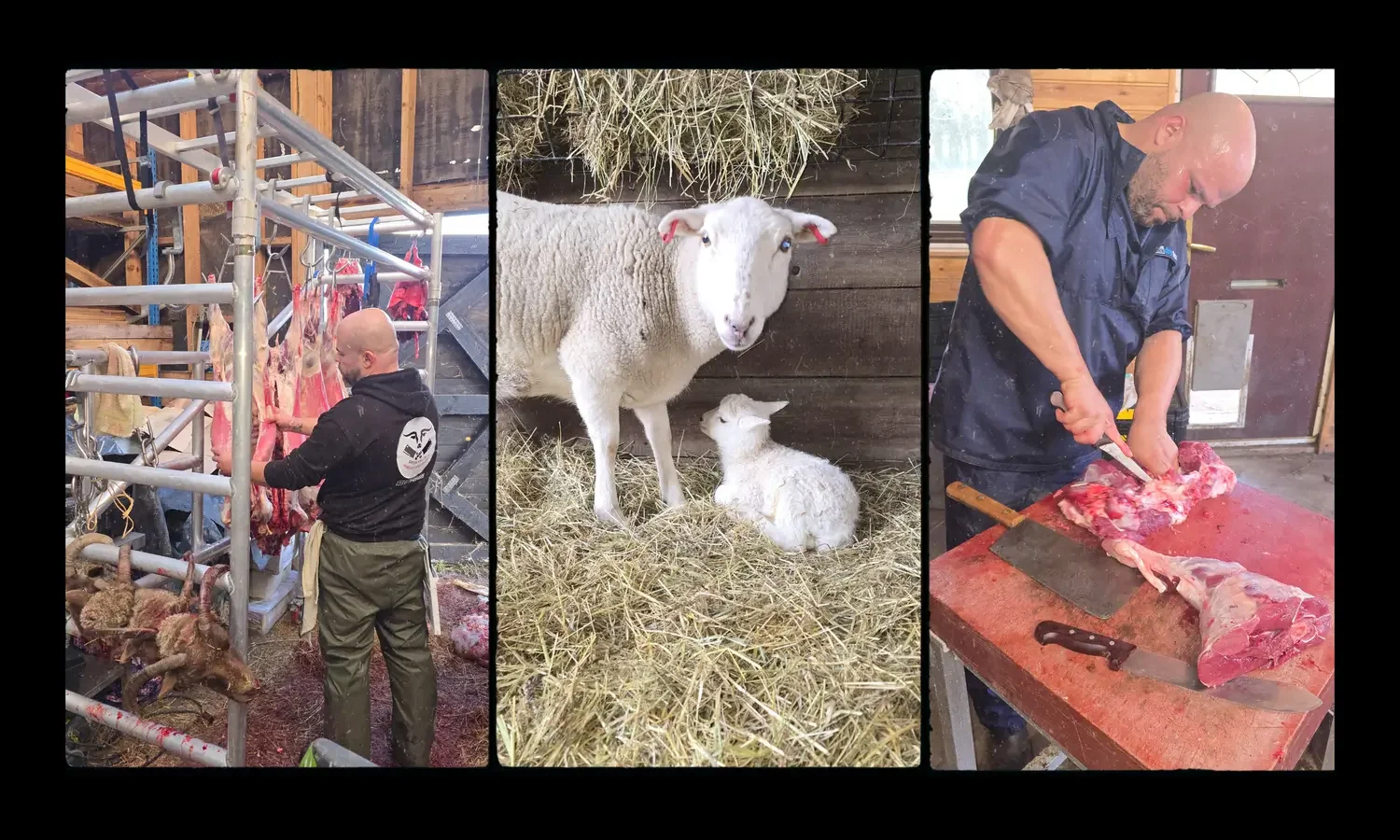
Written by Green Fields Home Kill and Butchery
HOME KILL PREPARATION UK
When you book a private home kill visit, you want the process to be straightforward, respectful, and efficient — both for your livestock and for your own peace of mind. As smallholders ourselves, we understand the time, effort, and responsibility that goes into raising your animals.
This guide explains exactly what to do before, during, and after the visit so everything runs smoothly on the day.
The Day Before Your Appointment
Withdraw Grain and Hard Feed
Please withhold grain, concentrates, or hard feed for 12–18 hours before the visit.
Grass and hay are absolutely fine, and fresh water should always remain available. This supports a clean and safe process.
Medication Withdrawal
Please ensure the livestock has not had any recent medication with a required meat withdrawal period. This includes:
wormers
fly strike treatments
pour-ons
antibiotics or pain relief from a vet
If your animal has received any treatment recently, just let us know so we can confirm whether it is safe to proceed.
Livestock handling before slaughter - Bring Livestock Into a Secure Area
Move your animals into a small pen or holding area the evening before. A good setup includes:
dry ground
suitable fencing
enough space to move without chasing
easy access for both you and us
livestock should be kept in a confined, small pen to prevent chasing before slaughter. The pen should be high enough to prevent scaling. This is to prevent stress to the animal.
This avoids last-minute gathering, which can cause unnecessary stress to the livestock.
Check the Animals
If you’ve noticed any recent injuries or concerns, just mention them when we arrive.
The Morning of the Visit
Livestock Already Penned
Your livestock should already be in their pen so the visit can begin without disturbing other animals.
Keep Movement Quiet and Steady - Livestock respond best to low-stress handling. Simple, calm movement is ideal.
What We Bring — And What You Don’t Need to Provide
We arrive with everything required for slaughter and butchery, including:
captive bolt gun
knives and sharpening tools
butcher’s block
hooks
PPE
tables
packaging
our own hanging stand
You don’t need to supply or do anything.
If you don’t have an outdoor tap or hose, just let us know when booking and we’ll ensure we bring water with us.
We also schedule a full cleaning day between every client, so you do not need to provide hot water or washing facilities.
Our Two-Day Method (Preferred)
Day 1 — Humane Dispatch, Processing, Skinning, Gutting, and Hanging
Your livestock is humanely dispatched, then processed, skinned, and gutted on your smallholding. The carcass is then hung on our stand and remains in a dry, sheltered area overnight.
Day 2 — Butchery
We return the next day to complete the full butchery on your property.
This method is better for the meat because:
it has time to set properly
it becomes firm rather than floppy
the surface dries naturally
it allows for cleaner, more precise butchery
Same-Day Option: If you prefer everything completed in one visit, we are happy to follow your preference. Additionally if we are travelling a great distance to your destination it may be better to complete all services in one day.
Whether You Watch or Don’t — Both Are Absolutely Fine
Every smallholder feels differently about being present during slaughter.
Some people prefer to watch — they want to understand the process.
Others prefer not to — this is very common and completely normal.
Both choices are always respected. Many customers work from home — they simply show us where the livestock are, and we handle the rest. We’ll let you know as soon as everything is finished.
There is never any expectation or pressure to be present.
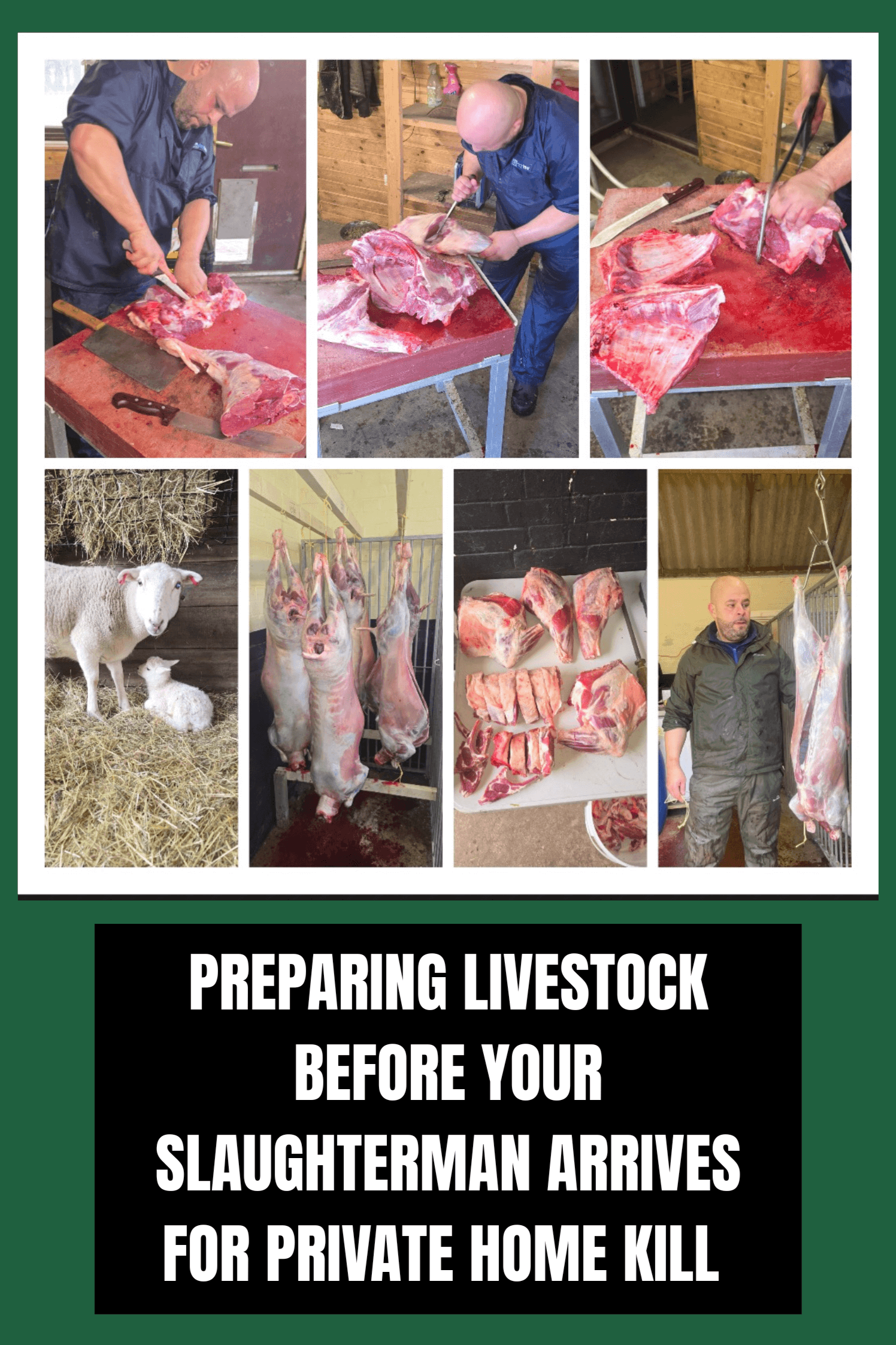
Real Examples From Other Smallholders
What Happens After Slaughter
Once the animal has been humanely dispatched, everything that follows is completed on your smallholding, small farm, or wherever the livestock is kept. We adapt to each customer’s set-up and work within the space available.
This includes:
preparing the carcass
skinning and gutting (completed on Day 1)
hanging the carcass in a dry, sheltered area
returning the next day for full butchery
cutting, preparing, and packing the meat ready for your freezer
Whether you keep a small flock of sheep, a few goats, or a mixed group, the process remains the same — everything is completed on the same property where the livestock lived, with no trailers, no transport, and no need for external facilities.
You can choose the cuts that best suit your household — joints, chops, ribs, diced cuts, and more.
Preparing Pigs for Home Kill
Pigs are intelligent, sensitive animals and preparation plays an important role in keeping the process calm and low-stress. Good preparation helps everything run smoothly on the day and supports animal welfare.
Calm handling matters most
Pigs respond quickly to changes in routine and atmosphere. Keeping things calm in the days leading up to home kill is far more important than trying to do anything complicated.
Avoid unnecessary moving or handling
Keep familiar people around where possible
Keep noise and activity to a minimum
A settled pig is easier to handle and experiences less stress.
Housing and ground conditions
On the day, pigs should be kept:
In a dry, clean area
On firm ground where possible
For pig home kill, we ask that the pig(s) to be slaughtered is/are kept in a small, separate pen before we arrive.
Pigs are intelligent and strong animals, and separating the pig beforehand allows the process to be carried out quietly and efficiently, without the stress of moving animals at the last minute.
Where possible, keeping the pig within sight or sound of the other pigs can help reduce anxiety.
Good ground conditions help with safety, hygiene and animal comfort. If weather or ground conditions are a concern, let us know ahead of time so we can plan accordingly.
Access and working space
We’ll need:
Safe vehicle access
A clear, quiet working area
Enough space to work calmly and without rushing
You don’t need specialist facilities — we’ll talk through what’s suitable for your holding during the booking stage.
On the day
Our approach with pigs is the same as with all livestock:
Calm, controlled handling
Minimal movement
No rushing
We’ll explain what’s happening as we go, and you’re welcome to step away if you prefer. Your comfort matters too.
Unsure or new to pigs?
Many of our customers are first-time pig keepers and have questions — that’s completely normal.
If you’re unsure how best to prepare your pigs, get in touch ahead of time. A quick conversation usually answers everything and helps the day run smoothly.
Further Guidance and Official Resources
If you’d like to read official guidance alongside this article, the following resources provide clear, up-to-date information on home slaughter, welfare, and legal requirements in the UK:
Food Standards Agency — Home Slaughter Guidance
Provides official information on food safety, hygiene, and responsibilities when slaughtering livestock for personal consumption.
GOV.UK — Home Kill and Slaughter for Own Consumption
Outlines the legal framework for home slaughter in the UK, including ownership, welfare requirements, and restrictions on meat use.
Booking Your Visit
If you'd like to book a home kill visit, you're welcome to get in touch. We're here to support smallholders and make the process as straightforward as possible.

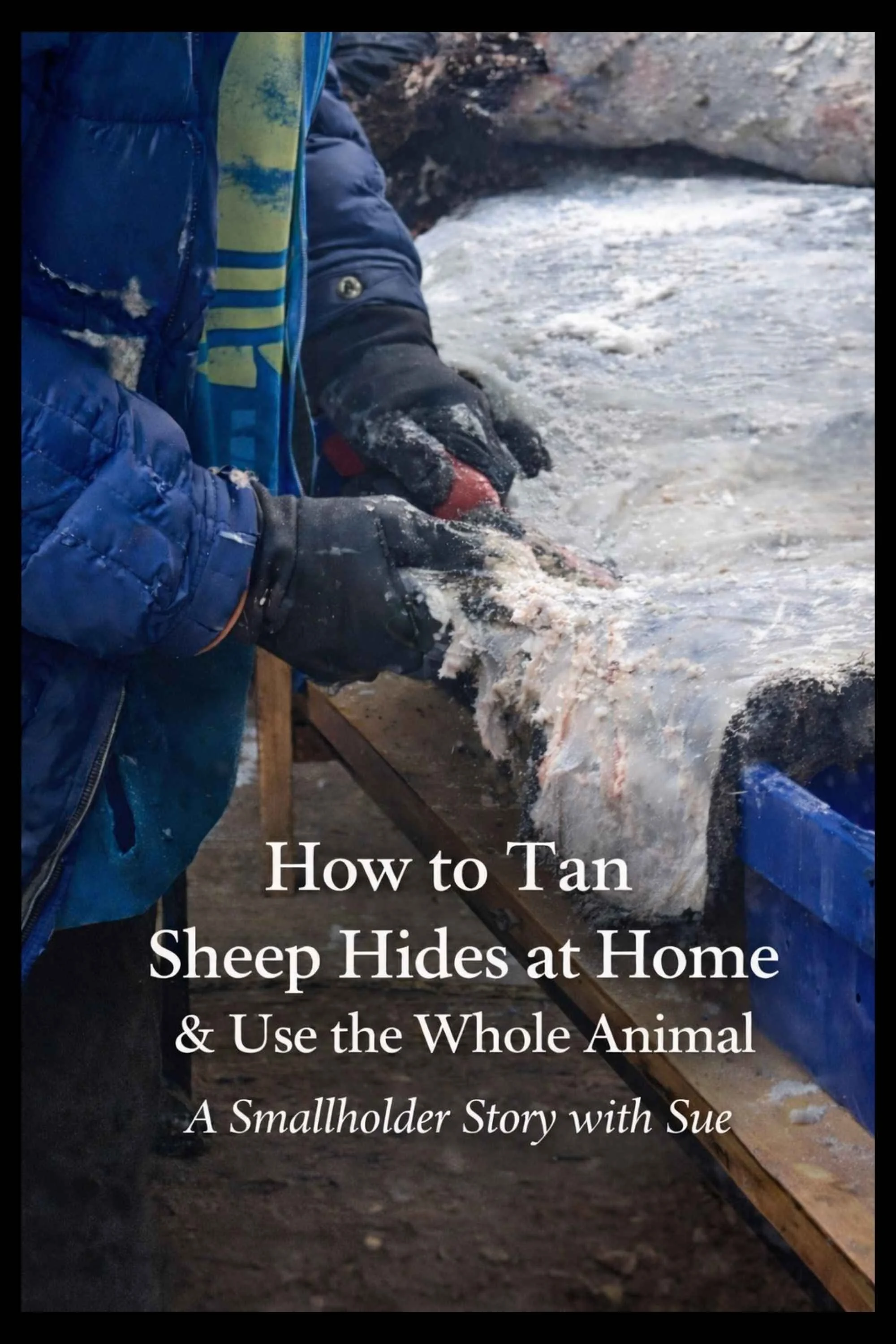
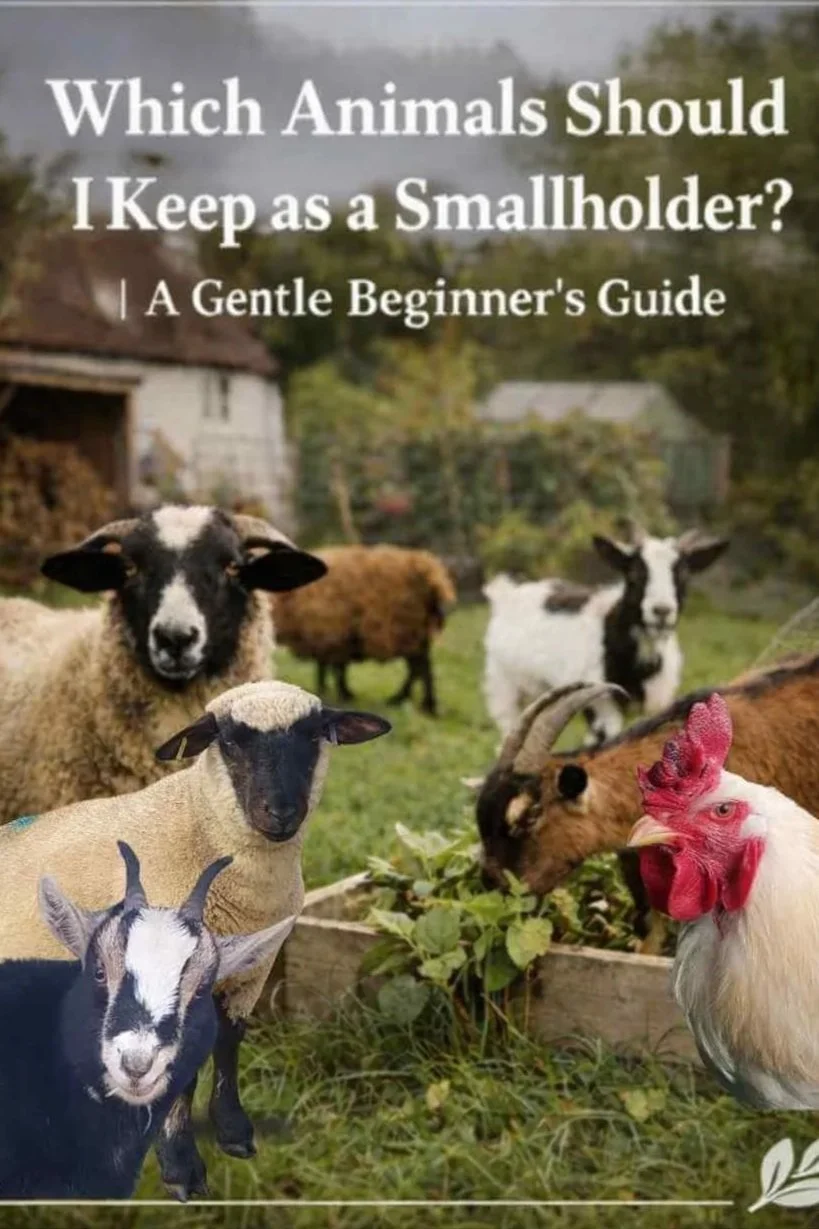
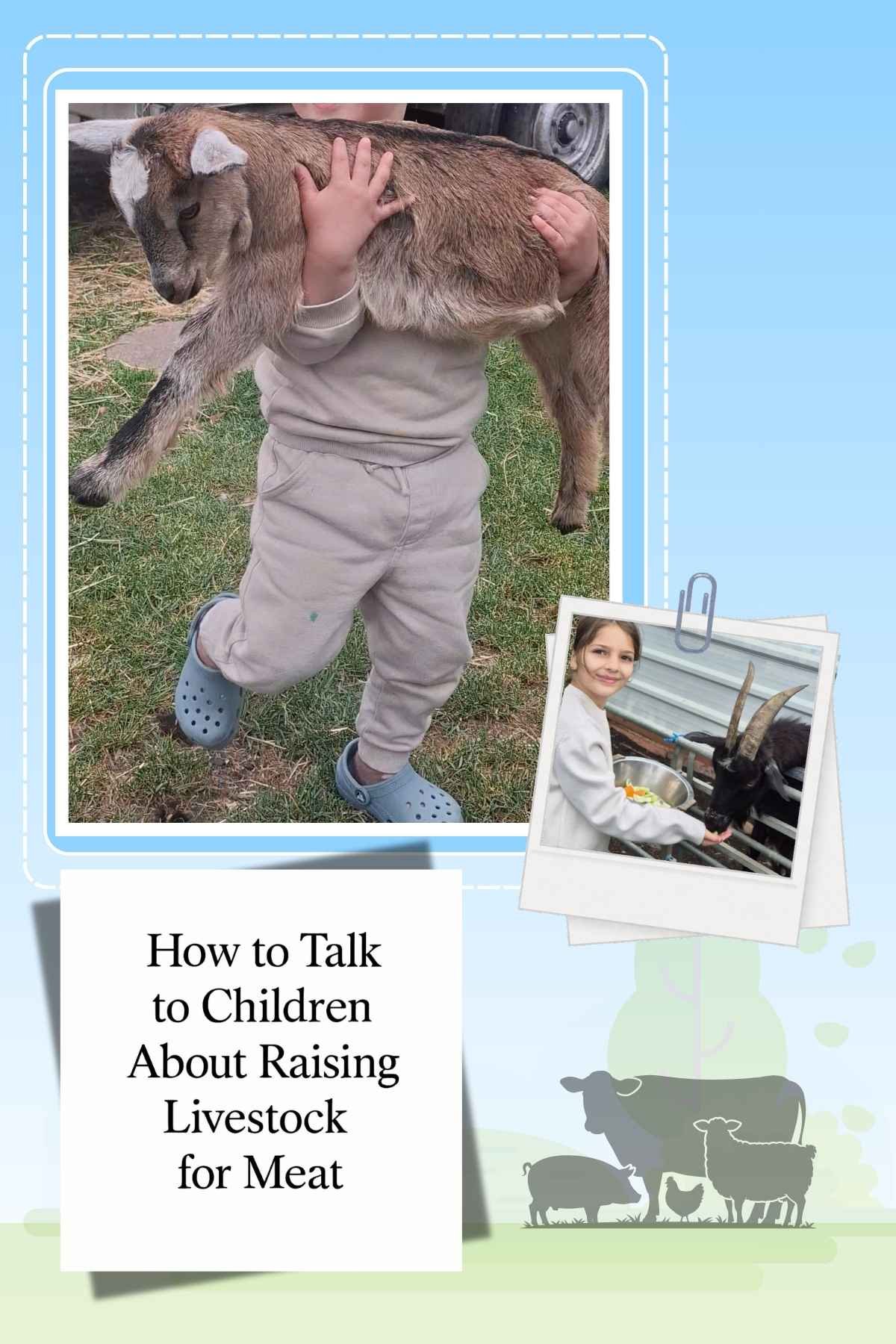


In this guide we’ll look at how pig home slaughter works on a smallholding, when pigs are typically ready, some of the breeds commonly kept by smallholders, and how much meat you might expect from a finished pig.
If you keep pigs on a smallholding, there usually comes a point where you start thinking about what happens when the time comes.
Many smallholders raise pigs for meat and want the final stage to be carried out calmly and respectfully in familiar surroundings. For some, home slaughter can provide an alternative to transporting animals to an abattoir.