
BLOGS FOR SMALLHOLDERS
Lessons we’ve learned the hard way, shared honestly to help new smallholders feel more prepared and less alone
Starting a smallholding can feel overwhelming. This guide shares common beginner mistakes and how to avoid them, with calm, welfare-led advice based on real experience.
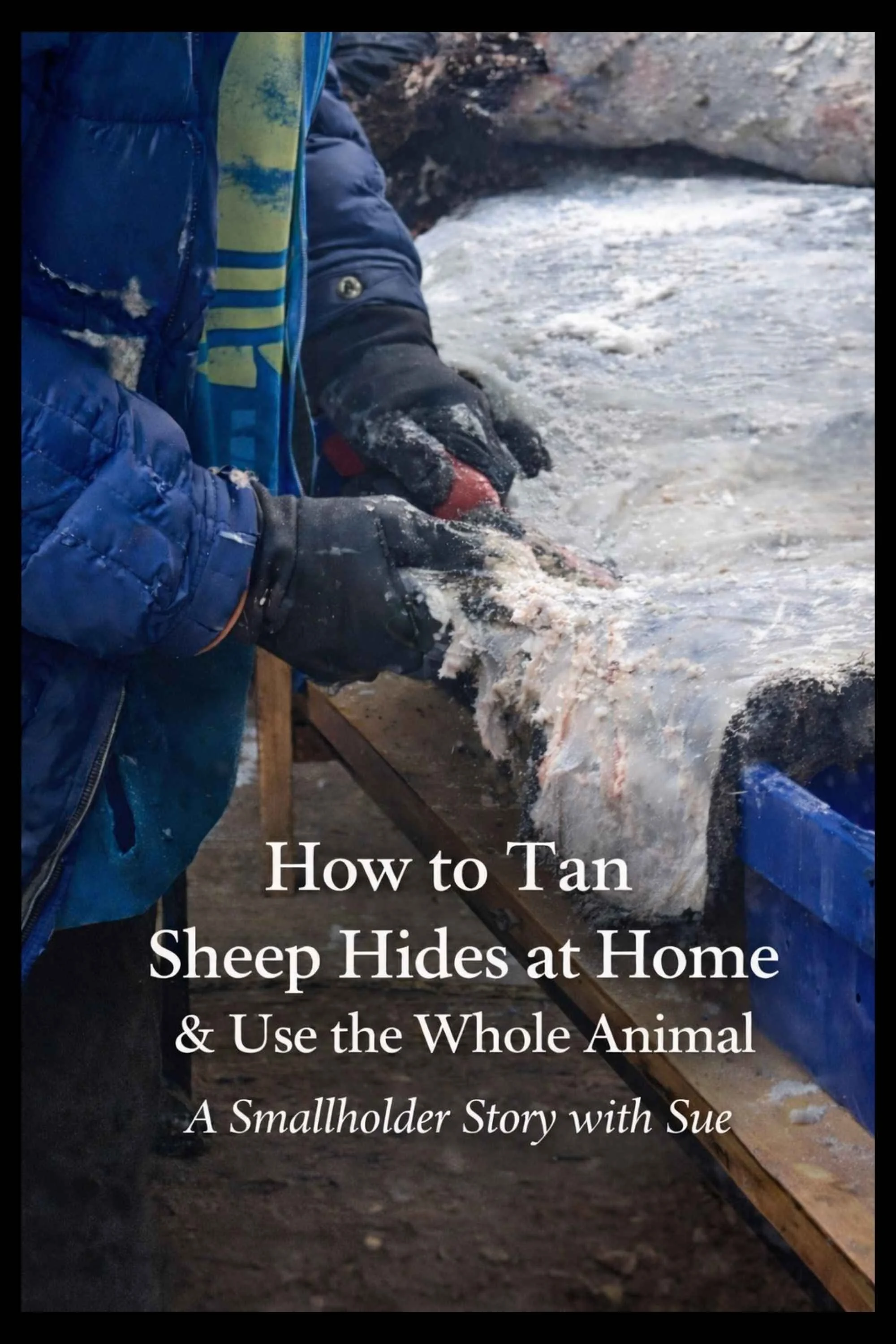
Nothing Goes to Waste: A Smallholder Story with Sue
One of the greatest privileges of running Green Fields Home Kill & Butchery is meeting smallholders who truly live by the principle of using everything — not just for food, but for animals, wildlife, and the land itself.
Sue is one of those people.
From bees to birds, sheep to geese, fruit trees to herb beds, everything on their smallholding has purpose, care, and thought behind it. Nothing is rushed, nothing is wasted, and everything is done with intention.
New to smallholding? Dreaming of starting your own smallholding? Want to learn more about starting a smallholding?
Richard, the owner of Green Fields Home Kill and Butchery, shares calm, welfare-led advice for new smallholders on choosing sheep, goats, and chickens, feeding without grazing, fencing lessons, and buying livestock in the UK based on his experiences as a smallholder in Cambridgehshire.
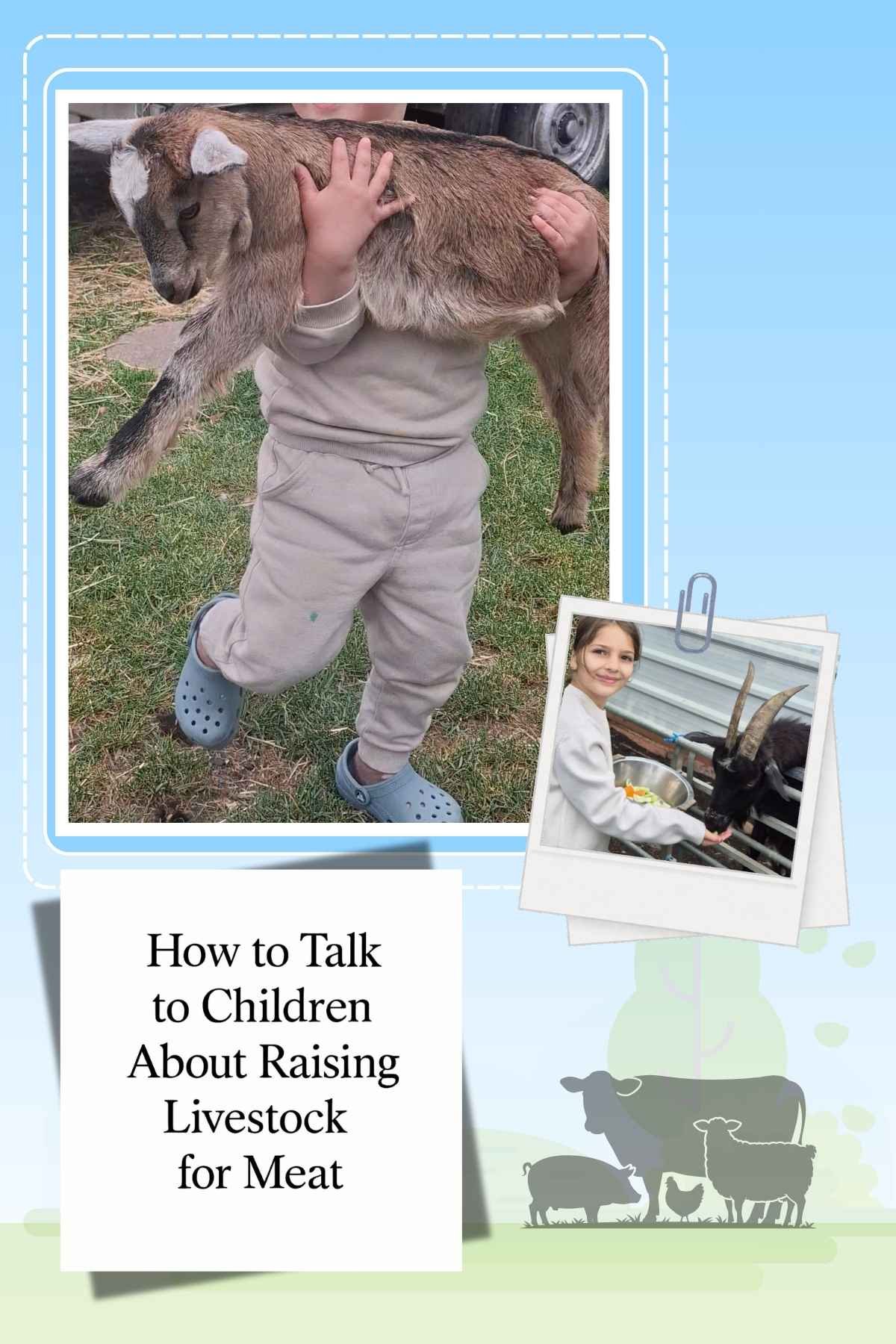
How do you explain raising livestock for meat to children in a calm, honest way?
Written by Sarah at Elkadiri Mini Farm - This isn’t a guide or a rulebook. It’s simply how we’ve approached these conversations: honestly, gently, and with respect for both our animals and our children.
This blog explores care, welfare, curiosity, and family conversations on the smallholding.
Not sure if your sheep or goats are truly ready for home kill?
This guide walks through the simple signs smallholders can rely on — from age and breed to body condition, growth plateau, and welfare considerations. It also explains when transport to an abattoir isn’t suitable and why on-farm home kill can be the calmest, most practical option.
A must-read for anyone planning their livestock management with confidence
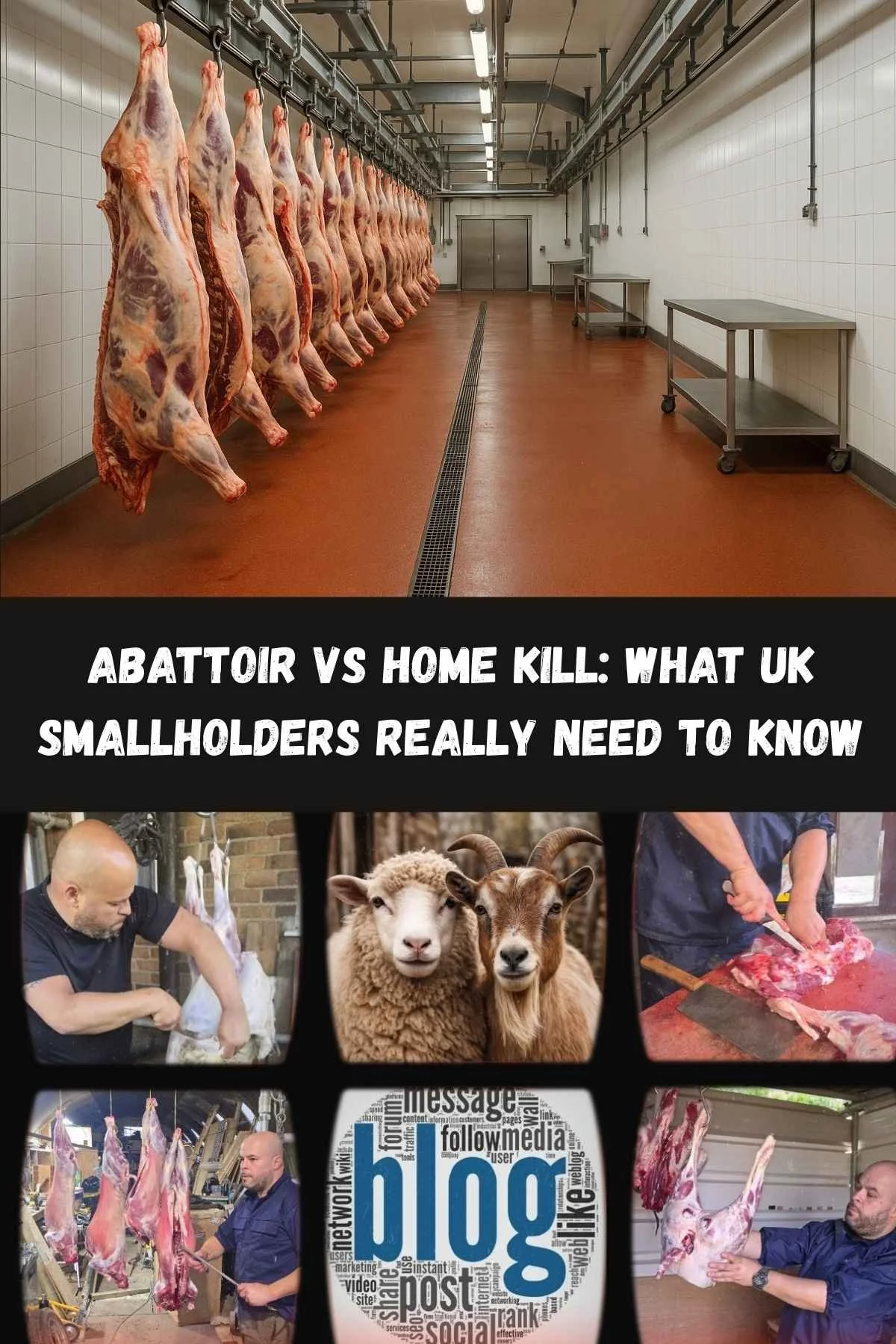
Our latest blog is a straight-talking guide for anyone raising sheep or goats for their own freezer. We break down the real questions UK smallholders ask every day:
• Is home kill legal and what are my responsibilities?
• Who handles waste and SRM?
• Does transport to the abattoir stress my animals?
• How do I know I’m getting my own meat back?
If you’re loading animals for the abattoir but wondering whether a calmer, more transparent option exists, this guide will help you decide what’s right for your flock.
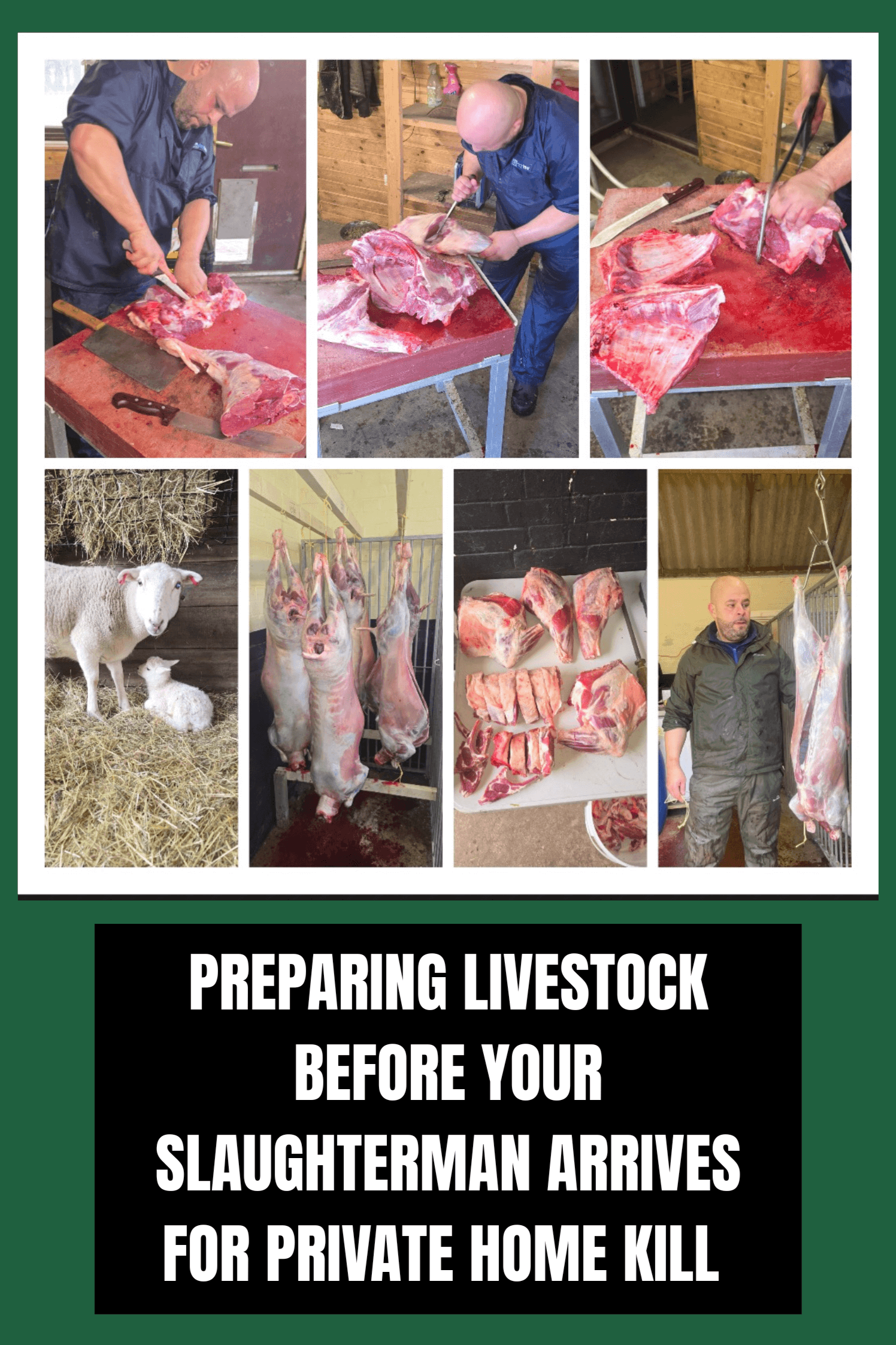
Preparing Your Livestock for Home Kill: A Practical Guide for UK Smallholders
Getting ready for a home kill doesn’t need to be stressful. This expert guide walks you through exactly what smallholders should do before their slaughterman arrives — from safe handling and appropriate penning to legal responsibilities and what to expect on the day.
Clear, calm preparation makes the process kinder for the animal and easier for you. If you’re booking a home kill for the first time, this guide is essential reading.
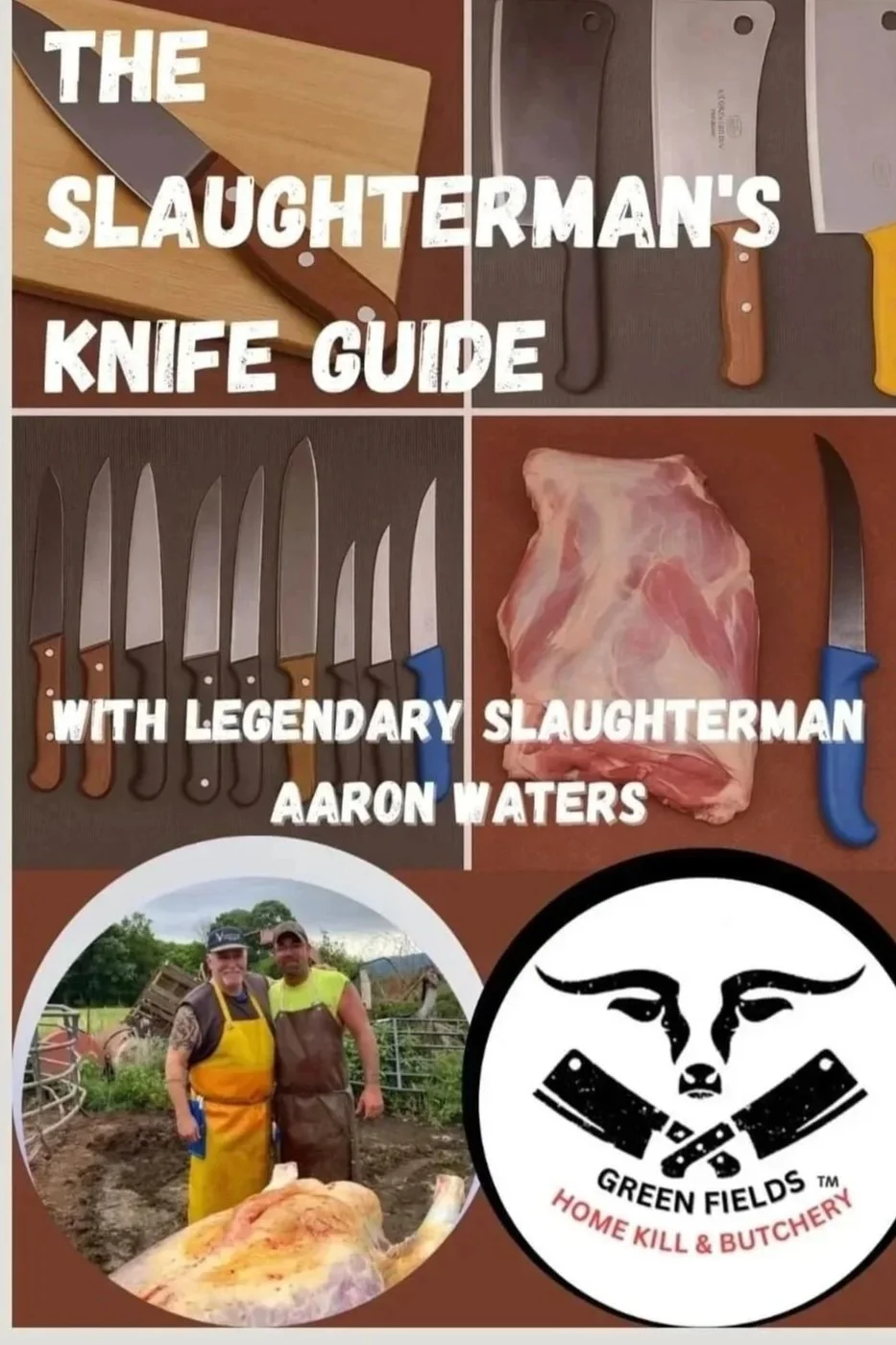
This in-depth guide explores why the right knife is more than a tool — it’s a crucial part of humane, efficient home kill and butchery. Featuring insights from veteran slaughterman Aaron Waters, it covers blade types, choosing the correct knife for each task, and the sharpening and care methods that keep every cut precise and safe. A must-read for anyone processing livestock on the smallholding.
Friendly, practical guidance for smallholders, hobby farmers, and anyone passionate about raising their own meat.
Raising your own lambs is one of the most rewarding experiences you can have on a smallholding. From the care you put into your flock to the moment you fill your freezer, every step brings a sense of pride and connection to the food you feed your family.
But when it comes to processing your lamb, the butchery world can suddenly feel like another language.
Want to get the most out of every lamb? This expert guide walks you through every cut — from chops to joints — showing you how to butcher, portion, and freeze like a pro. Clear photos, practical tips, and advice for smallholders and home butchers alike. Perfect for anyone who wants top-quality meat without waste.
When you rear your own livestock, it’s only natural to wonder exactly how much meat you’ll get back from a whole sheep — and which cuts you can expect. Whether you’re experienced or just starting out, having a clear idea of yields helps with planning freezer space, choosing cuts, and getting the most from your animal.
Curious what you’ll actually get when you home-kill or butcher a whole sheep? This guide breaks down expected meat yield — across joints, roasts, chops and mince — and shows you what factors influence yield, from age and fat cover to butchery style. A must-read before you plan for your freezer or ordering a whole sheep
Let’s break it down in a clear and honest way.
A must-read before you plan for your freezer or home slaughter a whole sheep!
LOOKING FOR SOMETHING SPECIFIC? USE THE SEARCH BAR
When are your Sheep or Goats Ready for Home Kill
Not sure if your sheep or goats are truly ready for home kill?
This guide walks through the simple signs smallholders can rely on — from age and breed to body condition, growth plateau, and welfare considerations. It also explains when transport to an abattoir isn’t suitable and why on-farm home kill can be the calmest, most practical option.
A must-read for anyone planning their livestock management with confidence
Step-by-Step Guide: Preparing Livestock Before Your Slaughterman Arrives for Private Home Kill
Preparing Your Livestock for Home Kill: A Practical Guide for UK Smallholders
Getting ready for a home kill doesn’t need to be stressful. This expert guide walks you through exactly what smallholders should do before their slaughterman arrives — from safe handling and appropriate penning to legal responsibilities and what to expect on the day.
Clear, calm preparation makes the process kinder for the animal and easier for you. If you’re booking a home kill for the first time, this guide is essential reading.
In this guide we’ll look at how pig home slaughter works on a smallholding, when pigs are typically ready, some of the breeds commonly kept by smallholders, and how much meat you might expect from a finished pig.
If you keep pigs on a smallholding, there usually comes a point where you start thinking about what happens when the time comes.
Many smallholders raise pigs for meat and want the final stage to be carried out calmly and respectfully in familiar surroundings. For some, home slaughter can provide an alternative to transporting animals to an abattoir.