Pig Home Slaughter on a Smallholding (UK Guide): When Pigs Are Ready, Common Breeds & How Much Meat You Get
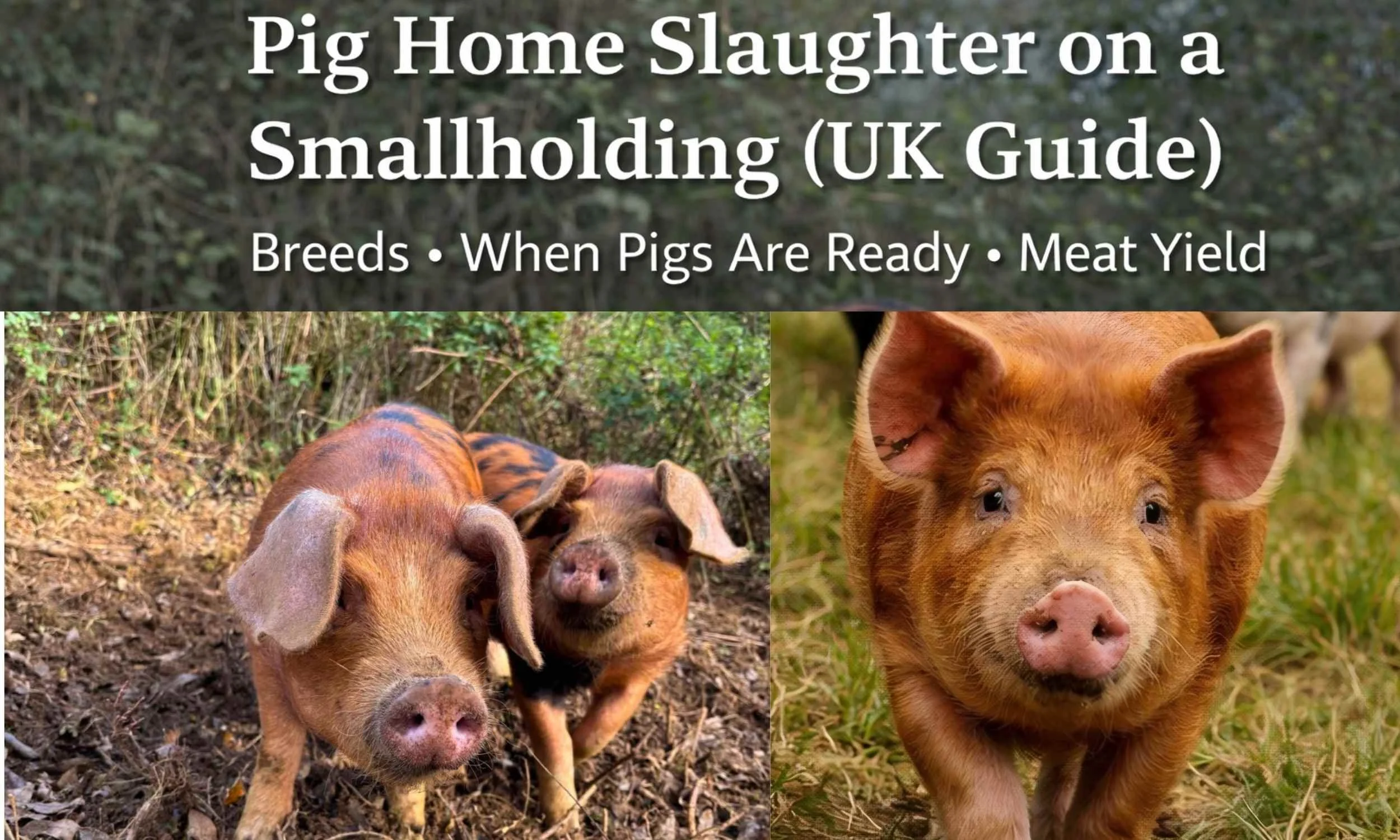
If you keep pigs on a smallholding, there usually comes a point where you start thinking about what happens when the time comes.
Many smallholders raise pigs for meat and want the final stage to be carried out calmly and respectfully in familiar surroundings. For some, home slaughter can provide an alternative to transporting animals to an abattoir. Many smallholders start researching pig home slaughter on a smallholding when their pigs approach finishing weight.
In this guide we’ll look at how pig home slaughter works on a smallholding, when pigs are typically ready, some of the breeds commonly kept by smallholders, and how much meat you might expect from a finished pig.
Why Some Smallholders Choose Home Slaughter for Pigs
Pigs can be quite different from sheep or goats when it comes to transport.
Many smallholders find that pigs can be difficult to load onto trailers, particularly if they are not used to being moved or handled in that way. Pigs are also intelligent animals and can become stressed by unfamiliar environments.
For smallholders raising pigs from weaners, keeping the final stage calm and in familiar surroundings is often something they feel strongly about.
Home slaughter allows the animal to remain on the smallholding, avoiding transport and helping to keep the process as straightforward as possible.
If you would like to understand how the process works on the day, you can also read more about our Pig Home Kill service.
Why Smallholders Often Call Us for Pig Home Kill
Many of the smallholders who contact us have raised their pigs from weaners and want the final stage handled calmly and professionally.
One of the most common things we hear is that pigs grow much faster than people expect. What starts as a small piglet can quickly become a very strong animal.
Once pigs reach around 50kg or more, they can be much harder to handle, particularly if they are not used to being moved or loaded. Pigs are intelligent and determined animals, and if fencing or enclosures are not strong enough they can start escaping or causing damage around the smallholding.
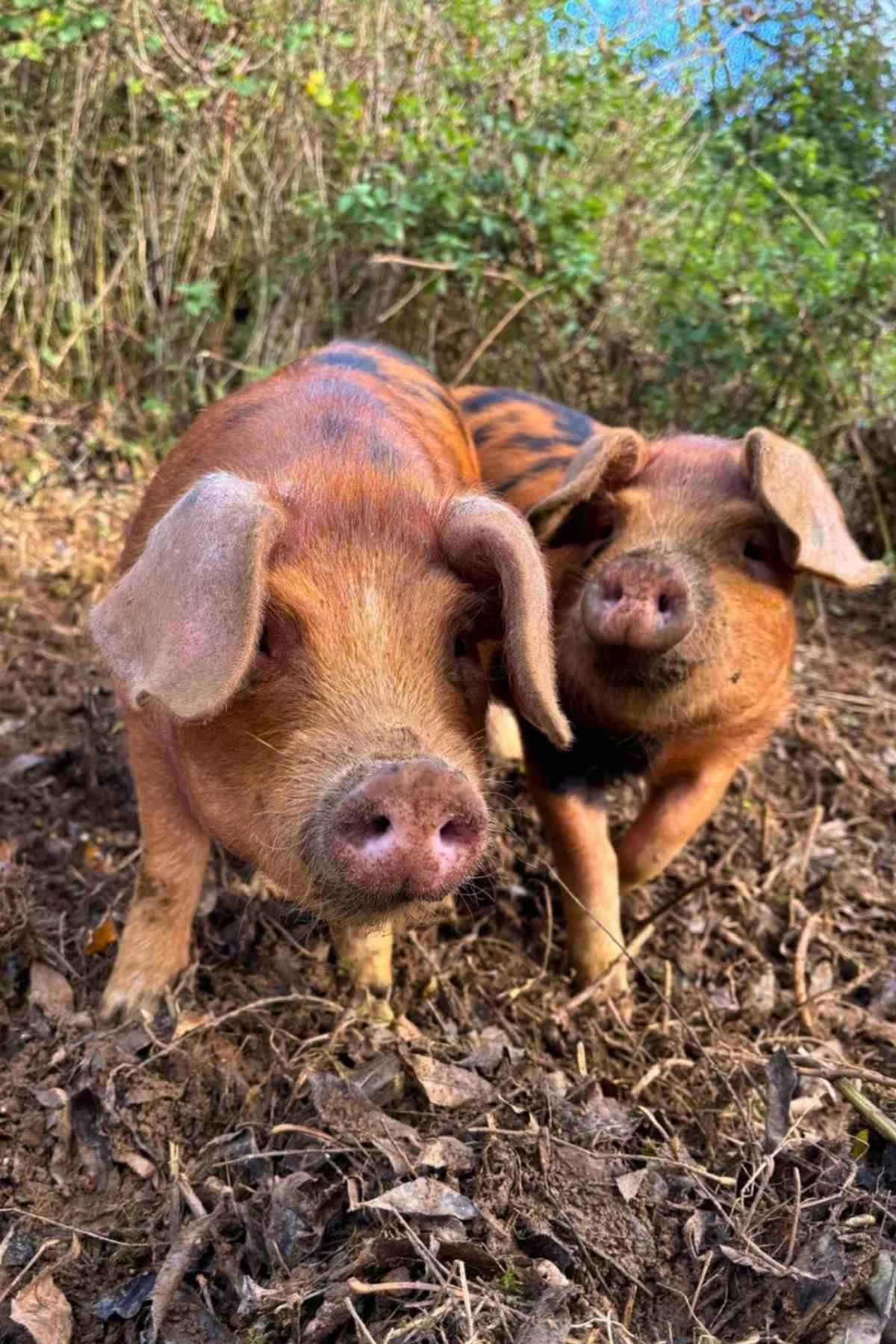
We experienced this ourselves when we bought five store Duroc pigs. They were enormous fun to keep and full of character, but they also showed us just how powerful pigs can be. Before long the ground in their enclosure had been turned over almost a foot deep — glorious mud everywhere. They were very tame and would run to the gate whenever they saw me, hoping for treats. From the garden I could see them watching and waiting, which was lovely. But if they managed to get out of the pen, that enthusiasm could quickly turn into several large pigs charging over for food.
For many first-time pig keepers, this stage can feel overwhelming, which is why people often contact us when their pigs are approaching finishing weight and they want to understand how pig home kill works and how to prepare properly for the day.
In most cases, smallholders are simply looking for reassurance and guidance so that everything can be carried out calmly and professionally.
Common Pig Breeds Kept by Smallholders
Smallholders across the UK often keep traditional or hardy pig breeds that are well suited to outdoor systems and smaller farms.
Some of the breeds commonly raised include:
Gloucestershire Old Spot – a traditional British breed known for its calm temperament and excellent pork.
Oxford Sandy and Black – sometimes called the “plum pudding pig,” popular with smallholders because they are hardy and easy to manage.
Tamworth – a very hardy outdoor breed with strong foraging ability.
Berkshire – a heritage breed prized for flavour and marbling.
Kune Kune – a smaller traditional breed that is popular with smallholders and small farms. They are known for their friendly temperament and ability to thrive on pasture. Because they are smaller and often move quickly, some slaughtermen say they can be slightly more challenging to position correctly for a captive bolt compared with larger pigs, although Richard has not found this.
Many smallholders also keep crossbred pigs, which can combine good growth rates with hardy characteristics suited to outdoor rearing.
When Are Pigs Ready for Slaughter?
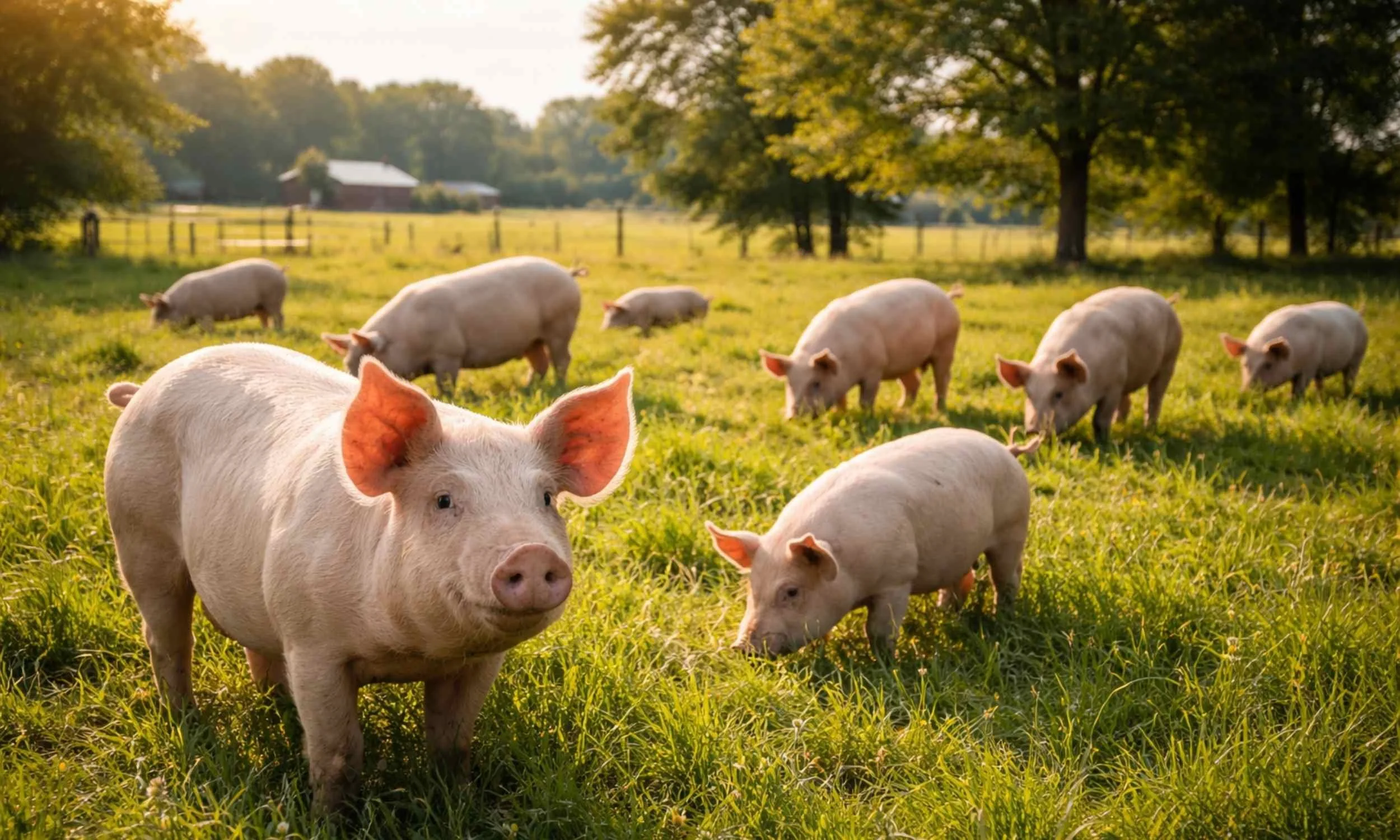
The exact timing will depend on the breed and how the pigs have been raised, but most smallholders raise pigs for around six to eight months before slaughter.
A typical finishing pig might reach somewhere around 90–110kg liveweight, although traditional breeds or pigs raised outdoors may take a little longer depending on the system they are raised in.
Many smallholders focus less on exact age and more on the pig reaching a good finishing size and condition.
How Old Should Pigs Be Before Slaughter?
Most smallholders raise pigs for around 6–8 months before slaughter, although this can vary depending on breed and feeding.
Traditional breeds often grow slightly slower than commercial breeds, but many smallholders prefer them for their flavour and hardiness.
As a rough guide:
5–6 months – lighter porkers, around 60–70kg deadweight
6–7 months – typical pork pigs raised by smallholders
7–8 months – heavier pigs with more fat and stronger flavour
Rather than focusing only on age, it is better to look at body condition. A well-finished pig will have good muscle across the back and hindquarters and a smooth covering of fat.
Many smallholders choose the timing based on freezer space and family needs, as a whole pig produces a substantial amount of pork.
Preparing for Pig Home Slaughter
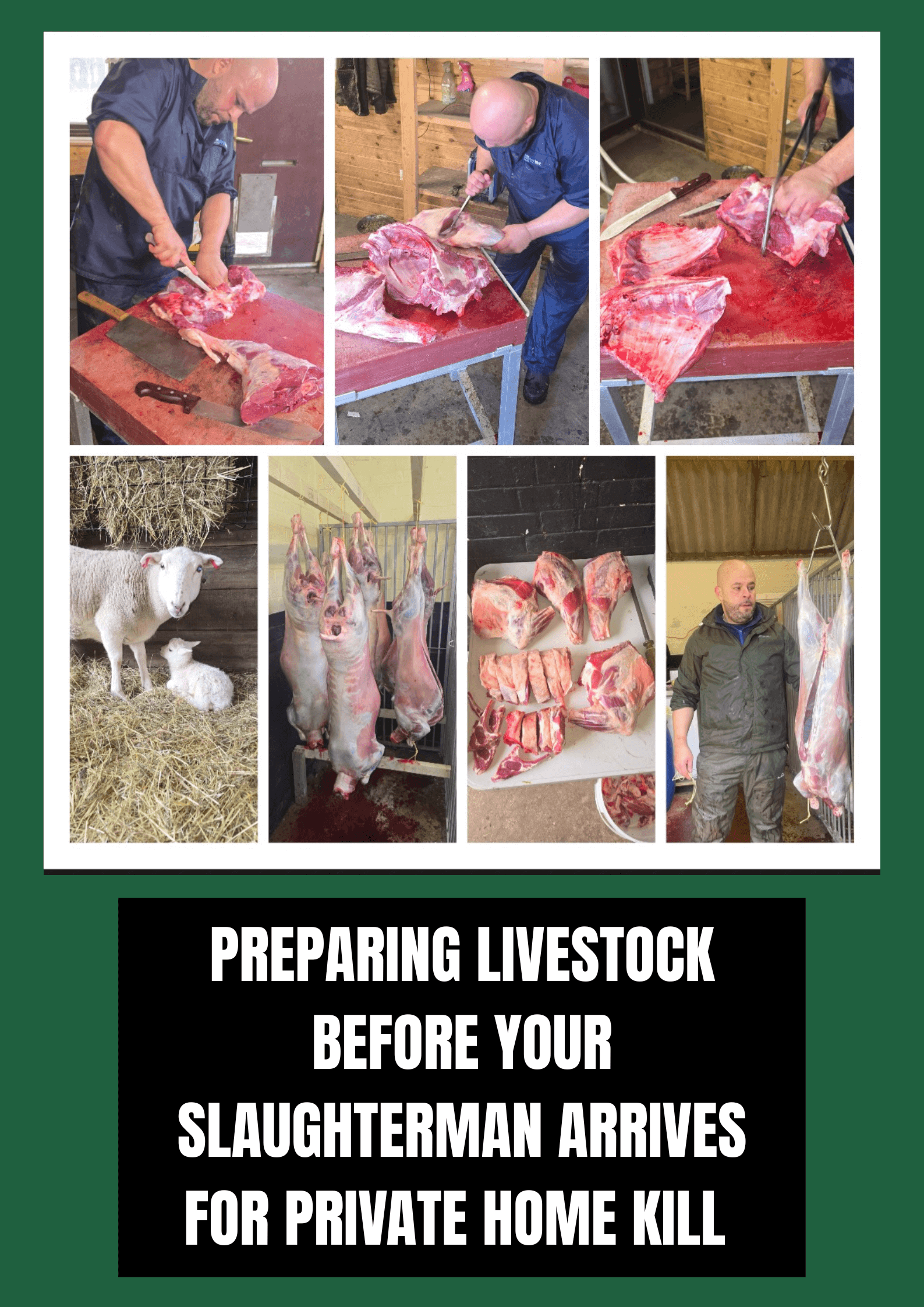
Preparing pigs for home slaughter is very similar to preparing other livestock.
This includes ensuring animals are calm and accessible, the smallholding is prepared for the visit, and everything is ready for the day itself.
We’ve written a full guide explaining how to prepare livestock and your smallholding before home kill.
Step-by-Step Guide: Livestock Home Kill Preparation
This guide explains the practical steps smallholders should take so the day runs smoothly.
Is Pig Home Slaughter Legal in the UK?
In the UK, livestock slaughter carried out on a smallholding is legal for personal consumption. However, meat from animals slaughtered this way cannot enter the public food chain for sale.
This means the meat is for the smallholder’s own household use and cannot be sold or supplied to others.
Understanding this distinction is important for smallholders considering home slaughter.
How Much Meat Do You Get From a Pig?
One of the most common questions smallholders ask is how much meat they will actually receive from a finished pig.
The exact amount will vary depending on the breed, size of the animal, and how the carcass is cut, but pigs raised on smallholdings are often finished at around 90–110kg liveweight.
After processing, the usable meat yield is typically around 65–75% of the carcass weight, providing a substantial amount of pork joints and cuts for the freezer.
The final amount of meat can vary depending on:
breed
finishing weight
how the carcass is cut and prepared
For many smallholders, raising pigs provides enough pork to fill a freezer for many months.
Why Meat Yield Can Vary Between Pigs
The amount of meat you receive from a pig can vary depending on several factors, including:
• the breed of pig
• how the pig has been fed
• the age and finishing weight
• the cuts requested during butchery
Traditional breeds raised slowly on pasture often produce excellent flavour and good fat coverage, while faster-growing breeds may produce leaner pork.
For smallholders, the most important thing is raising pigs well and choosing the cuts that suit how you plan to use the meat.
FINAL ADVICE
If you keep pigs on a smallholding, understanding when they are ready and how the process works can make the experience far less daunting. Learning in advance helps smallholders prepare properly and ensures everything runs calmly on the day.
If you would like advice and guidance please do contact us
Pig Home Kill Service
On-Farm Pig Home Slaughter for Smallholders
We now offer an on-farm Pig Home Kill Service.
Often searched for as a “mobile abattoir”, our service is a fully licensed on-farm pig home kill service for smallholders, carried out calmly and humanely at your holding.
Our mobile service allows pigs to remain in familiar surroundings, avoiding the stress of transport to an abattoir. As with all our work, we operate quietly, professionally, and without rushing.